This content is for informational purposes only and does not constitute medical advice. Always consult a qualified healthcare provider before making dietary changes. Histamine tolerance is highly individual.
This information applies to histamine intolerance, DAO deficiency, and MCAS only. If you have a confirmed food allergy, this content does not apply to you. Food allergies involve the immune system and can be life-threatening. Please consult your allergist.
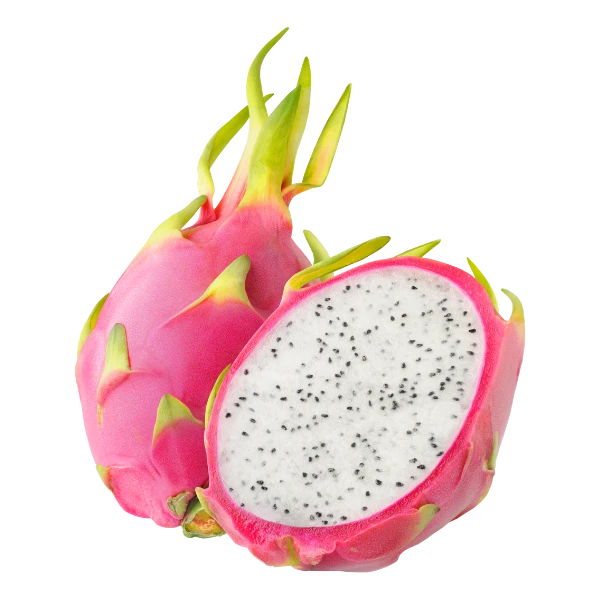
Is Dragon Fruit a trigger for histamine intolerance?
Dragon Fruit scores a 0 out of 3 on the SIGHI Food Compatibility List, placing it in the Safe category.
Dragon Fruit & Histamine, what the evidence says
Dragon fruit is generally considered low in histamine and doesn't carry the same caveats as aged or fermented foods. That said, it's worth being clear about a different and separate issue: dragon fruit has a documented, if rare, potential to cause true IgE-mediated food allergy, including case reports of anaphylaxis in people with no other known food or pollen allergies.
This distinction matters because food allergy and histamine intolerance are separate conditions with different mechanisms, even though their symptoms can sometimes overlap. In documented dragon fruit allergy cases, researchers have identified potential allergenic proteins in the seeds, including cupin_1 and heat shock proteins such as HSP70, as well as a lipid transfer protein in the flesh. These proteins can interact with IgE antibodies and are associated with genuine immune-mediated food allergy. This is not related to the histamine content of the food or to DAO function. If you have a known or suspected allergy to dragon fruit specifically, or experience symptoms such as hives, throat swelling, or difficulty breathing after eating it, that calls for allergy testing and medical evaluation, not dietary histamine management.
Separately, dragon fruit's histamine content itself hasn't raised particular concern in the reference sources typically used for this kind of information. One harmless and unrelated thing worth knowing is that red-fleshed dragon fruit contains betalain pigments, which can temporarily give urine or stool a pinkish or reddish color after eating the fruit. This is a pigment effect rather than evidence of bleeding.
Does preparation change the risk?
For dragon fruit, the main consideration is the separate allergy question rather than histamine content.
| Form | Risk Level | Notes |
|---|---|---|
| Fresh dragon fruit, no known allergy | Low | Generally low in histamine; the fruit itself isn't a common histamine concern |
| Dragon fruit juice or mixed fruit juice containing it | Low | Similar histamine profile to the fresh fruit; documented allergic reactions have occurred through juice as well as whole fruit |
| Any amount, known or suspected dragon fruit allergy | High | This is an allergy consideration, not a histamine one. Seek medical evaluation rather than relying on portion testing. |
Note: The high-risk row here reflects documented allergic reactions, not standardized histamine measurements. This is a food safety and allergy consideration separate from histamine intolerance.
A food score is a reference, not a verdict.
Histamine intolerance is highly individual. A food that triggers symptoms in one person may be tolerated by another, even within the same category.
Strict elimination may help reduce symptoms initially, but long-term progress often depends on gradual reintroduction and pattern recognition. The goal is not to remove more foods over time, but to understand your personal tolerance and expand your diet when possible.
Tracking symptoms, portions, and context such as stress or timing can provide insights that generalized food lists cannot. This is where informed decisions replace fear-based restriction.
How to test your tolerance
 Know this isn't primarily a histamine question.
Dragon fruit's most notable safety consideration is a rare but documented true food allergy, not histamine content.
 Seek medical evaluation for allergy symptoms.
Hives, throat swelling, or difficulty breathing after eating dragon fruit call for allergy testing, not dietary histamine troubleshooting.
 First-time tasting deserves a little caution.
If you've never eaten dragon fruit before, trying a small amount first is reasonable given the documented, if rare, allergy reports, including in people with no other known allergies.
 Don't be alarmed by pink or red urine or stool.
If you eat red-fleshed dragon fruit and notice this, it's likely from natural betalain pigments passing through your body, not a sign of bleeding.
- Be aware the seeds may carry more allergenic protein.
Research has identified potential allergenic proteins concentrated in dragon fruit seeds, in addition to a protein found in the flesh.
 Track dragon fruit like other low-histamine fruits.
For histamine purposes specifically, log it in MyHistaMap as you would other well-tolerated fruits, keeping the separate allergy consideration in mind.
Common questions about Dragon Fruit and histamine
Is dragon fruit high in histamine?
No. Dragon fruit is generally considered low in histamine. Its more notable safety consideration is a separate, rare, documented food allergy, unrelated to dietary histamine.
Is dragon fruit allergy the same as histamine intolerance?
No, these are different conditions. Dragon fruit allergy involves the immune system's IgE antibodies reacting to specific proteins in the fruit, while histamine intolerance involves the body's ability to break down dietary histamine. The symptoms can sometimes look similar, but the underlying mechanisms and appropriate management are different.
Can dragon fruit cause a serious allergic reaction?
Documented case reports describe anaphylaxis after eating dragon fruit, including in people with no other known food or pollen allergies. If you suspect an allergy, medical evaluation is appropriate.
Why does dragon fruit sometimes turn urine or stool red?
Red-fleshed dragon fruit contains natural pigments called betalains, which can temporarily color urine or stool pink or red. This is a harmless pigment effect, not a sign of bleeding.
Some people find these options helpful





Supplements are optional tools, not a solution. Personal tracking and identifying your individual triggers remains the priority.
Where this information comes from
At MyHistaMap we curate information from peer reviewed research and recognized medical sources. This guide is a reference tool, not a medical prescription. Always track your own reactions and consult your healthcare provider.
References
- Pitaya Allergy: A Case Report of Anaphylaxis in a Patient Without Cross-Reactive Allergens, Allergy, Asthma & Clinical Immunology, 2025: describes a 26-year-old man with anaphylaxis after eating dragon fruit and no prior atopy or cross-reactive sensitization, and identifies suspected allergenic proteins including cupin_1, HSP70, and a lipid transfer protein. The source for the anaphylaxis case and allergenic protein findings referenced on this page.
- Identification of Allergens in White- and Red-Fleshed Pitaya Seeds Using Bottom-Up Proteomics Coupled with Immunoinformatics, 2022: identified cupin_1 and heat shock proteins as potential allergens in pitaya seeds based on IgE reactivity with patient sera. The source for the seed protein findings referenced on this page.
- Anaphylactic Reaction to (Mixed) Fruit Juice Containing Dragon Fruit, Journal of Allergy and Clinical Immunology, 2009: describes a young woman with two allergic reactions after drinking fruit juice, with skin prick testing confirming dragon fruit as the specific trigger among the juice's ingredients. The source for the additional allergy case referenced on this page.