This content is for informational purposes only and does not constitute medical advice. Always consult a qualified healthcare provider before making dietary changes. Histamine tolerance is highly individual.
This information applies to histamine intolerance, DAO deficiency, and MCAS only. If you have a confirmed food allergy, this content does not apply to you. Food allergies involve the immune system and can be life-threatening. Please consult your allergist.
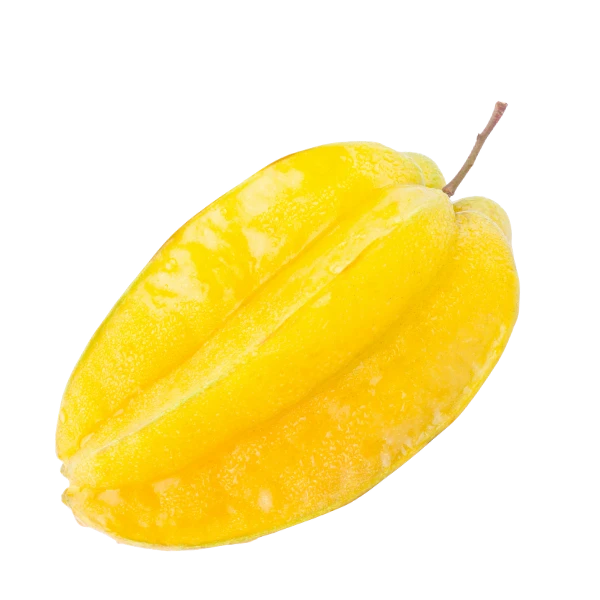
Is Starfruit a trigger for histamine intolerance?
Starfruit scores a 0 out of 3 on the SIGHI Food Compatibility List, placing it in the Safe category.
Starfruit & Histamine, what the evidence says
Star fruit carries a serious safety concern that has nothing to do with histamine intolerance but matters more: people with kidney disease, especially those with advanced kidney failure or who are on dialysis, can develop severe neurological and kidney toxicity after eating it. Reported symptoms include persistent hiccups, confusion, weakness, seizures, loss of consciousness, and coma, and documented cases have resulted in death. This applies to people with impaired kidney function regardless of whether they have histamine intolerance.
The fruit contains a neurotoxin called caramboxin as well as significant amounts of oxalate. In people with healthy kidney function, caramboxin is normally eliminated through the kidneys. When kidney function is severely impaired, however, the toxin can accumulate and affect the brain. Research indicates that caramboxin acts on excitatory pathways in the nervous system while interfering with GABAergic signaling, which helps explain the confusion, seizures, and other neurological symptoms seen in cases of star fruit intoxication. Oxalate contributes separately to kidney injury by forming deposits in the renal tubules and causing acute oxalate nephropathy.
The amount needed to cause toxicity is not reliably predictable. Severe neurological reactions have been reported after relatively small amounts in people with advanced kidney disease, while people with normal kidney function generally appear to require much larger amounts to develop toxicity. Large quantities of star fruit or star fruit juice have caused acute kidney injury even in people whose kidney function was previously normal, particularly when consumed in large amounts, on an empty stomach, or while dehydrated. Case reports have documented oxalate-related kidney injury after heavy consumption, including cases requiring dialysis.
Separate from this kidney and neurological risk, star fruit itself does not carry a specific histamine concern in the same way that aged or fermented foods do. The kidney-related toxicity is a separate food-safety issue and should be treated as such. Anyone with chronic kidney disease, reduced kidney function, or a history of kidney problems should avoid star fruit unless their healthcare provider specifically advises otherwise.
Does preparation change the risk?
For star fruit, kidney health, not histamine, is what determines the level of concern with any form of this fruit.
| Form | Risk Level | Notes |
|---|---|---|
| Fresh star fruit, normal kidney function | Low | No established histamine concern; large quantities should still be avoided due to oxalate content |
| Star fruit juice, normal kidney function | Moderate | Juice concentrates oxalate; large amounts have caused kidney injury even in people with previously normal kidney function |
| Any amount of star fruit or juice, impaired kidney function | High | This includes chronic kidney disease, advanced kidney failure, and dialysis patients. Speak with a healthcare provider before consuming star fruit in any amount. |
Note: Risk levels here reflect documented kidney and neurological toxicity, not standardized histamine measurements. This is a food safety consideration separate from histamine intolerance.
A food score is a reference, not a verdict.
Histamine intolerance is highly individual. A food that triggers symptoms in one person may be tolerated by another, even within the same category.
Strict elimination may help reduce symptoms initially, but long-term progress often depends on gradual reintroduction and pattern recognition. The goal is not to remove more foods over time, but to understand your personal tolerance and expand your diet when possible.
Tracking symptoms, portions, and context such as stress or timing can provide insights that generalized food lists cannot. This is where informed decisions replace fear-based restriction.
How to test your tolerance
 Check your kidney health first.
If you have chronic kidney disease, reduced kidney function, or are on dialysis, avoid star fruit and star fruit juice unless your healthcare provider specifically tells you it's safe.
 Don't rely on portion size if you have kidney disease.
Severe reactions have been reported after small amounts in people with impaired kidney function. This isn't a food where testing a small portion first is a safe strategy.
 Know the warning signs.
Persistent hiccups, confusion, or vomiting after eating star fruit are reasons to seek medical attention immediately, especially for anyone with any degree of kidney impairment.
 Even with healthy kidneys, don't overdo it.
Large quantities of star fruit or its juice have caused kidney injury in people with previously normal kidney function, particularly when eaten in excess, on an empty stomach, or while dehydrated.
 Stay hydrated if you do eat it.
Dehydration has been identified as a risk factor in cases of star fruit-related kidney injury, even in people without pre-existing kidney disease.
 This isn't a histamine-specific precaution.
Unlike most entries on this site, the main concern with star fruit is kidney and neurological safety, not histamine content. Treat it as a separate food safety consideration.
Common questions about Starfruit and histamine
Is star fruit dangerous?
For people with kidney disease, yes. Star fruit contains a neurotoxin called caramboxin and significant oxalate, which can cause severe neurological and kidney symptoms, including documented deaths, in people with impaired kidney function.
Is star fruit high in histamine?
That's not the main concern with this fruit. Star fruit doesn't carry a specific histamine concern the way aged or fermented foods do. Its more serious risk is kidney and neurological toxicity, particularly for people with kidney disease.
How much star fruit is safe to eat if I have kidney disease?
There is no reliably safe amount. Severe reactions have been reported after small amounts in people with impaired kidney function. Avoid star fruit and check with your healthcare provider if you have any degree of kidney impairment.
Can star fruit affect people with normal kidney function?
Yes, though it takes much larger amounts. Large quantities of star fruit or its juice have caused acute kidney injury even in people with previously normal kidney function, especially when eaten in excess, on an empty stomach, or while dehydrated.
Some people find these options helpful





Supplements are optional tools, not a solution. Personal tracking and identifying your individual triggers remains the priority.
Where this information comes from
At MyHistaMap we curate information from peer reviewed research and recognized medical sources. This guide is a reference tool, not a medical prescription. Always track your own reactions and consult your healthcare provider.
References
- Chang et al., Fatal Outcome After Ingestion of Star Fruit (Averrhoa carambola) in Uremic Patients, American Journal of Kidney Diseases, 2000: reported 8 deaths among 20 uremic patients (19 on hemodialysis, 1 with advanced chronic renal failure) despite dialysis intervention following star fruit ingestion. The source for the mortality figures referenced on this page.
- Nephrotoxicity and Neurotoxicity Following Star Fruit (Averrhoa carambola) Ingestion: A Narrative Review, 2021: a systematic review of 136 individuals across case reports and series, finding 69.1% had prior renal impairment. The source for this page's note that people with normal kidney function generally required much larger amounts to develop toxicity.
- Mechanisms of Star Fruit (Averrhoa carambola) Toxicity: A Mini-Review, Toxicon, 2020: describes caramboxin's action on excitatory neuroreceptors and inhibition of GABA receptors as the mechanism behind neurological symptoms, and oxalate deposition in renal tubules as the mechanism behind kidney injury. The source for the toxicity mechanism described on this page.
- Case reports have identified large-quantity consumption, an empty stomach, and dehydration as risk factors for star fruit-related acute kidney injury even in people with previously normal kidney function. The source for this page's note on risk factors beyond pre-existing kidney disease.