This content is for informational purposes only and does not constitute medical advice. Always consult a qualified healthcare provider before making dietary changes. Histamine tolerance is highly individual.
This information applies to histamine intolerance, DAO deficiency, and MCAS only. If you have a confirmed food allergy, this content does not apply to you. Food allergies involve the immune system and can be life-threatening. Please consult your allergist.
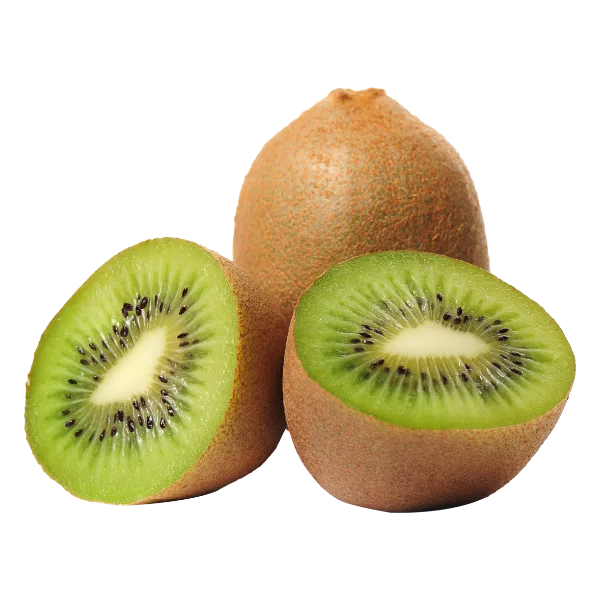
Is Kiwi a trigger for histamine intolerance?
Kiwi scores a 2 out of 3 on the SIGHI Food Compatibility List, placing it in the Moderate category. It is also classified on some reference lists as a potential histamine liberator. This reflects the reference list's classification rather than a confirmed mast-cell mechanism, since research specifically testing this hasn't provided strong support for it.
Kiwi & Histamine, what the evidence says
Kiwi carries some caution around freshness and ripeness on histamine reference lists, placing it in a more watchful category than fruits such as apple or blueberry. That does not mean that fresh kiwi is inherently high in histamine, but it does make kiwi a fruit for which individual tolerance is worth paying attention to.
Separately, and more significantly, kiwi is a well-recognized cause of genuine food allergy. Unlike histamine intolerance, which concerns the body's ability to handle histamine, kiwi allergy is an immune-mediated reaction to specific proteins in the fruit. Reactions can range from oral itching and irritation to hives, gastrointestinal symptoms, and potentially life-threatening anaphylaxis. Kiwifruit allergy is not simply a rare isolated phenomenon and has been increasingly recognized in allergy research.
Kiwi allergy can involve different allergenic proteins, and the protein involved can influence the type and severity of the reaction. Actinidin, also known as Act d 1, is an important kiwi allergen and is particularly associated with primary kiwi allergy and more severe reactions. Other allergens are more closely associated with cross-reactivity. Act d 8, for example, is a Bet v 1-related protein that resembles the major allergen found in birch pollen. Sensitization to Act d 8 is therefore particularly relevant in people with birch pollen allergy and can produce the oral allergy syndrome pattern, with symptoms such as itching or tingling of the mouth and throat after eating raw kiwi.
Kiwi is also one of the fruits associated with latex-fruit syndrome. Some people with natural rubber latex allergy can develop cross-reactive reactions to kiwi because certain proteins in latex and kiwi share structural similarities. The frequency of this cross-reactivity varies considerably between studies and populations, but kiwi is consistently recognized as one of the fruits involved in the syndrome.
This distinction matters because the symptoms of food allergy and histamine intolerance can overlap, but the underlying mechanisms are completely different. If you experience oral itching, hives, swelling, throat tightness, vomiting, or difficulty breathing after eating kiwi, particularly if you also have birch pollen or latex allergy, that pattern warrants evaluation for a true food allergy rather than assuming it is simply a histamine reaction.
For someone without a kiwi allergy, the fruit's histamine profile remains a separate consideration. The more clinically established concern with kiwi is its ability to cause genuine food allergy in susceptible people.
Does preparation change the risk?
For kiwi, allergy history is the main consideration, separate from freshness, which is a secondary factor for histamine purposes.
| Form | Risk Level | Notes |
|---|---|---|
| Fresh kiwi, no known allergy | Low | Generally manageable when fresh, though it calls for more attention to ripeness than some other fruits |
| Overripe or older kiwi | Moderate | Ripeness matters more for kiwi than for some other fruits on histamine reference lists |
| Any amount, known or suspected kiwi allergy | High | This is an allergy consideration, not a histamine one. Seek medical evaluation rather than relying on portion testing. |
| Any amount, birch pollen or latex allergy, first time trying kiwi | Moderate | Cross-reactivity is well documented; caution on first exposure is reasonable |
Note: The higher-risk rows here reflect documented allergy and cross-reactivity patterns, not standardized histamine measurements. This is separate from histamine intolerance.
A food score is a reference, not a verdict.
Histamine intolerance is highly individual. A food that triggers symptoms in one person may be tolerated by another, even within the same category.
Strict elimination may help reduce symptoms initially, but long-term progress often depends on gradual reintroduction and pattern recognition. The goal is not to remove more foods over time, but to understand your personal tolerance and expand your diet when possible.
Tracking symptoms, portions, and context such as stress or timing can provide insights that generalized food lists cannot. This is where informed decisions replace fear-based restriction.
How to test your tolerance
 Know this isn't primarily a histamine question.
Kiwi's more clinically significant consideration is a well-recognized food allergy, not histamine content.
 Seek medical evaluation for allergy symptoms.
Oral itching, hives, swelling, throat tightness, or difficulty breathing after eating kiwi call for allergy testing, not dietary histamine troubleshooting.
- Be cautious if you have birch pollen allergy.
Cross-reactivity between birch pollen and kiwi is well documented. If you have birch pollen allergy and haven't tried kiwi before, a cautious first taste is reasonable.
- Be cautious if you have a latex allergy.
Kiwi is one of the fruits associated with latex-fruit syndrome. Discuss this with your doctor if you have a known latex allergy and are trying kiwi for the first time.
- Choose fresh, appropriately ripe kiwi.
For histamine purposes, kiwi calls for a bit more attention to freshness than some other fruits.
 Track kiwi separately if you have a relevant allergy history.
In MyHistaMap, note any birch pollen or latex allergy alongside your kiwi entries, since these are relevant to a different consideration than histamine.
Common questions about Kiwi and histamine
Is kiwi high in histamine?
Kiwi calls for a bit more attention to freshness and ripeness than some other fruits on histamine reference lists, but this isn't its most clinically significant consideration.
Is kiwi allergy common?
It's a well-recognized food allergy that isn't simply a rare, isolated occurrence, though exact prevalence varies depending on the population studied and how allergy is confirmed.
Is kiwi allergy the same as histamine intolerance?
No. Kiwi allergy is an immune-mediated, IgE-driven reaction to specific proteins in the fruit, while histamine intolerance involves the body's ability to process dietary histamine. The symptoms can overlap, but the mechanisms and appropriate management are different.
Why do people with birch pollen allergy react to kiwi?
A kiwi protein called Act d 8 closely resembles the major birch pollen allergen. This cross-reactivity can cause oral allergy syndrome, typically mild itching or tingling in the mouth and throat after eating raw kiwi.
Some people find these options helpful





Supplements are optional tools, not a solution. Personal tracking and identifying your individual triggers remains the priority.
Where this information comes from
At MyHistaMap we curate information from peer reviewed research and recognized medical sources. This guide is a reference tool, not a medical prescription. Always track your own reactions and consult your healthcare provider.
References
- Kiwi Fruit Allergy: A New Birch Pollen-Associated Food Allergy, Journal of Allergy and Clinical Immunology, 1994: describes both severe systemic and oral allergy syndrome presentations of kiwi allergy and their association with birch pollen sensitization. The source for the birch pollen cross-reactivity pattern referenced on this page.
- Structural Basis of the Immunological Cross-Reactivity Between Kiwi and Birch Pollen: describes Act d 8 as a PR-10 protein structurally similar to the major birch pollen allergen Bet v 1, explaining the molecular basis of cross-reactive oral allergy syndrome. The source for the Act d 8 mechanism referenced on this page.
- Kiwi Allergy: Symptoms, Oral Allergy Syndrome & Treatment: describes Act d 1 (actinidin) as a heat-stable major allergen associated with severe systemic reactions, distinct from the milder Act d 8-driven oral allergy syndrome. The source for the allergen distinction referenced on this page.
- Studies on latex-fruit syndrome describe kiwi as one of the fruits consistently associated with cross-reactive allergic responses in people with natural rubber latex allergy, due to shared structural proteins. The source for the latex-fruit syndrome information referenced on this page.