This content is for informational purposes only and does not constitute medical advice. Always consult a qualified healthcare provider before making dietary changes. Histamine tolerance is highly individual.
This information applies to histamine intolerance, DAO deficiency, and MCAS only. If you have a confirmed food allergy, this content does not apply to you. Food allergies involve the immune system and can be life-threatening. Please consult your allergist.
Is Dry-cured ham a trigger for histamine intolerance?
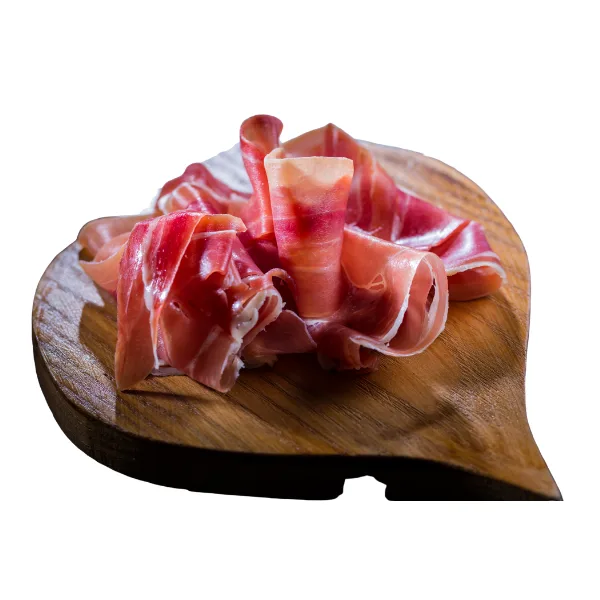
Dry-cured ham scores a 3 out of 3 on the SIGHI Food Compatibility List, placing it in the High category. Some reference sources also suggest it may be a histamine liberator, though even the source itself describes this as unconfirmed or suspected.
Dry-cured ham & Histamine, what the evidence says
Dried cured ham is different from fresh meat in an important way: curing is itself an aging process, so histamine can build up as part of the normal curing process, not only when something goes wrong with storage. As the ham cures, bacteria and enzymes can break down histidine into histamine over weeks or months. This makes cured ham one of the more consistently higher-histamine forms of meat, alongside dry-aged beef and salami, rather than a food whose histamine becomes a concern only when storage goes wrong.
How much histamine builds up depends on the curing time and method. A ham cured for a few weeks generally has less time for histamine to accumulate than one cured for many months, while fast industrial curing can behave differently from traditional slow curing. Two hams labeled the same way can therefore end up with very different histamine levels depending on how they were actually made.
Separately, dried cured ham can carry a medication-related risk that has nothing to do with histamine intolerance directly: tyramine buildup in people taking monoamine oxidase inhibitors (MAOIs), a class of antidepressants. Tyramine forms through bacterial breakdown of an amino acid during curing, and in someone taking an MAOI, excessive tyramine can trigger a sudden, sharp spike in blood pressure known as a hypertensive crisis. Cured ham is one of the foods commonly included in low-tyramine diet guidance, alongside aged cheese.
Does preparation change the risk?
Curing time and method are what mainly separate a lower-histamine cured ham from a higher-histamine one.
| Form | Risk Level | Notes |
|---|---|---|
| Short-cured dry ham (a few weeks) | Moderate | Less time for histamine to build up than long-cured styles |
| Long-cured dry ham (many months, e.g. prosciutto-style, jamón serrano) | High | Extended curing time gives histamine and other amines more time to form |
| Smoked, dry-cured ham | High | Also relevant for tyramine buildup in people taking MAOI antidepressants |
| Honey or sugar-glazed cured ham | Moderate | The glaze adds a FODMAP consideration separate from histamine |
| Sliced ham left exposed or stored too long after cutting | High | Further bacterial activity after slicing can add to what already built up during curing |
Note: Risk levels are based on clinical observations and patient reports, not standardized histamine measurements. Individual tolerance varies.
A food score is a reference, not a verdict.
Histamine intolerance is highly individual. A food that triggers symptoms in one person may be tolerated by another, even within the same category.
Strict elimination may help reduce symptoms initially, but long-term progress often depends on gradual reintroduction and pattern recognition. The goal is not to remove more foods over time, but to understand your personal tolerance and expand your diet when possible.
Tracking symptoms, portions, and context such as stress or timing can provide insights that generalized food lists cannot. This is where informed decisions replace fear-based restriction.
How to test your tolerance
 Choose shorter-cured styles when testing tolerance.
A ham cured for a few weeks has had less time for histamine to build up than one aged many months.
 Ask about curing time when buying from a deli counter.
Two hams sold under the same name can be cured for very different lengths of time.
 Know the medication interaction if you take an MAOI.
Cured ham is commonly named in low-tyramine diet guidance, separate from histamine.
 Buy pre-sliced, vacuum-sealed portions when possible.
Less exposure to air after slicing means less time for bacterial activity to add to what already built up during curing.
 Watch for honey or sugar glazes if FODMAPs matter to you.
A glaze adds a separate consideration from the ham's own histamine content.
 Track the brand and curing time in MyHistaMap.
Since curing method varies so much, logging specifics helps more than logging just "cured ham."
Common questions about Dry-cured ham and histamine
Is all cured ham high in histamine?
Curing time matters a lot. Short-cured styles have less time for histamine to build up than hams aged many months, like prosciutto or jamón serrano.
Why does cured ham affect me more than fresh pork?
Curing is an aging process, and aging is what allows histamine to build up. Fresh pork hasn't gone through that process yet.
Can cured ham affect me if I take an antidepressant?
Cured ham is commonly included in low-tyramine diet guidance for people taking MAOI antidepressants. This is a separate medication interaction, not a histamine intolerance symptom.
Does smoking the ham change anything?
Curing time appears to matter more overall than whether the ham is smoked. Research on dry-cured ham has found curing length to be the stronger driver of amine buildup.
Some people find these options helpful





Supplements are optional tools, not a solution. Personal tracking and identifying your individual triggers remains the priority.
Where this information comes from
At MyHistaMap we curate information from peer reviewed research and recognized medical sources. This guide is a reference tool, not a medical prescription. Always track your own reactions and consult your healthcare provider.
References
- SIGHI (Swiss Interest Group Histamine Intolerance) Food Compatibility List: classifies dry-cured ham with a histamine score of 3 (very poorly tolerated), marked both H (rich in histamine) and A (other biogenic amines). The source for this page's classification of cured ham as consistently higher-histamine.
- Alfaia et al., Changes in the Profile of Free Amino Acids and Biogenic Amines During the Extended Short Ripening of Portuguese Dry-Cured Ham, Food Science and Technology International, 2004: measured biogenic amines in dry-cured ham over 5 to 12 months of ripening and found wide fluctuation and variability throughout the period studied, with histamine specifically remaining comparatively low across samples while other amines like spermine and cadaverine were more prominent. The source for this page's note on curing time and variability between hams.
- McCabe BJ, Dietary Tyramine and Other Pressor Amines in MAOI Regimens: A Review, Journal of the American Dietetic Association, 1986: establishes the tyramine-MAOI mechanism and confirms aged and cured foods, ham included, are consistently named in low-tyramine diet guidance. The source for this page's tyramine-MAOI section.