This content is for informational purposes only and does not constitute medical advice. Always consult a qualified healthcare provider before making dietary changes. Histamine tolerance is highly individual.
This information applies to histamine intolerance, DAO deficiency, and MCAS only. If you have a confirmed food allergy, this content does not apply to you. Food allergies involve the immune system and can be life-threatening. Please consult your allergist.
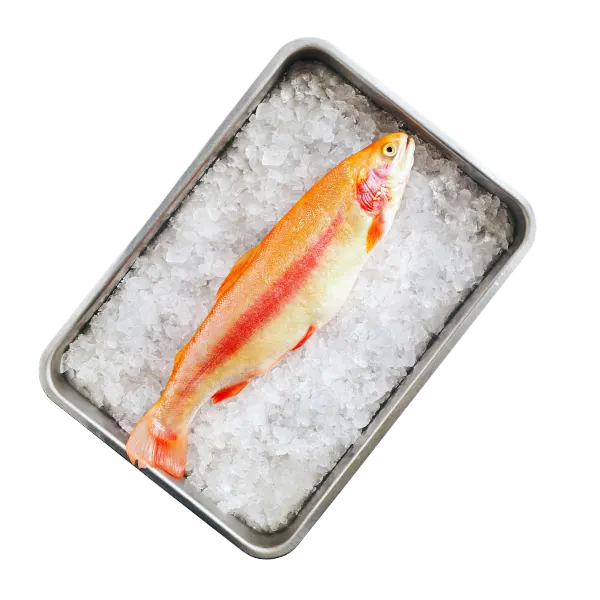
Is Fish (in the shop in the cooling rack or on ice) a trigger for histamine intolerance?
Fish (in the shop in the cooling rack or on ice) scores a 3 out of 3 on the SIGHI Food Compatibility List, placing it in the High category.
Fish (in the shop in the cooling rack or on ice) & Histamine, what the evidence says
Fish displayed in a shop's cooling rack or on ice is in a fundamentally different category than freshly caught or immediately frozen fish, because the time it has spent at retail, and the conditions under which it has been stored, are usually unknown to the person buying it.
Research has directly measured the effect of prolonged retail display on fish quality and histamine risk. A study of scombroid fish, including bigeye tuna, found that displaying fish for eight hours or more at retail considerably compromised sensory quality and safety, with increased microbial loads and marked sensory deterioration after eight hours. Histamine was also detected in the tuna samples, although the study did not demonstrate a significant increase in histamine over the eight-hour display period.
Separately, a study of fish sold in retail and wholesale markets in Lima, Peru, found that fish from retail markets had detectable histamine more often than fish from wholesale markets, where turnover was generally faster. Mackerel purchased at retail markets after 2 p.m. had a 75% prevalence of histamine levels above 10 ppm, compared with none of the mackerel purchased earlier in the day. The researchers also identified longer display times, lack of refrigeration at some retail stalls, and possible unrefrigerated transport as potential contributing factors.
As with all fish, appearance, smell, and taste are not reliable indicators of histamine content. Once histamine has formed, it cannot be removed by cooking, freezing, or washing. Species matters too: fish naturally higher in free histidine, such as tuna and mackerel, have greater potential for histamine to accumulate when time and temperature are not properly controlled.
Does preparation change the risk?
How long fish has been on display, and how it's been stored, matters more than how it looks.
| Form | Risk Level | Notes |
|---|---|---|
| Bought early in the day, well-refrigerated display | Moderate | Lower risk than late-day purchases, but display time is usually unknown |
| Bought later in the day | High | Research found a markedly higher prevalence of elevated histamine in fish purchased later in the day at retail |
| Displayed 8+ hours | High | Documented to considerably compromise sensory quality and safety |
| High-histidine species (tuna, mackerel) | High | Greater potential for histamine accumulation if display time and temperature aren't well controlled |
Note: Risk levels are based on clinical observations and patient reports, not standardized histamine measurements. Individual tolerance varies.
A food score is a reference, not a verdict.
Histamine intolerance is highly individual. A food that triggers symptoms in one person may be tolerated by another, even within the same category.
Strict elimination may help reduce symptoms initially, but long-term progress often depends on gradual reintroduction and pattern recognition. The goal is not to remove more foods over time, but to understand your personal tolerance and expand your diet when possible.
Tracking symptoms, portions, and context such as stress or timing can provide insights that generalized food lists cannot. This is where informed decisions replace fear-based restriction.
How to test your tolerance
 Shop earlier in the day when possible.
Research has found a notably higher prevalence of elevated histamine in fish purchased later in the day at retail markets, likely reflecting longer display time.
 Ask about arrival and display time.
Since display time is usually unknown to the buyer, asking staff when the fish arrived or how long it's been out can help you make a more informed choice.
- Be extra cautious with high-histidine species.
Tuna, mackerel, and similar species have more potential for histamine buildup than white fish if display time and temperature control aren't ideal.
 Don't rely on appearance.
Fish can look, smell, and taste normal even with elevated histamine content, so appearance alone isn't a reliable way to judge it.
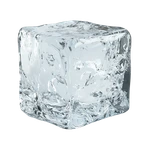 Consider flash-frozen as an alternative.
Fish frozen shortly after catch avoids the uncertainty of unknown retail display time entirely.
 Track your response.
Log the source, time of purchase, and species using MyHistaMap to spot patterns over multiple trials.
Common questions about Fish (in the shop in the cooling rack or on ice) and histamine
Is fish from the shop counter high in histamine?
It depends on how long it's been displayed and under what conditions, which is usually unknown to the buyer. Research has found a higher prevalence of elevated histamine in retail fish purchased later in the day.
Does buying fish earlier in the day make a difference?
Research suggests it can. A study in Lima found mackerel purchased after 2 p.m. had a 75% prevalence of elevated histamine, compared to none purchased earlier, likely reflecting longer time on display.
Can I tell if shop fish has elevated histamine by looking at it?
No. Appearance, smell, and taste are not reliable indicators of histamine content in fish.
Is wholesale fish safer than retail counter fish?
Research found fish from retail markets had detectable histamine more often than fish from wholesale markets, where turnover tends to be faster and refrigeration more consistent.
Some people find these options helpful





Supplements are optional tools, not a solution. Personal tracking and identifying your individual triggers remains the priority.
Where this information comes from
At MyHistaMap we curate information from peer reviewed research and recognized medical sources. This guide is a reference tool, not a medical prescription. Always track your own reactions and consult your healthcare provider.
References
- Chummun & Neetoo, Effect of retail display duration on the sensory quality, microbial safety and histamine content of scombroid fish including bigeye tuna, 2016: found displaying fish for eight hours or more at retail considerably compromised sensory quality and increased microbial loads, though histamine levels in bigeye tuna samples (1-8 ppm) did not show a significant increase over the display period. The source for this page's retail display duration findings.
- Histamine Levels in Fish from Markets in Lima, Peru, American Journal of Tropical Medicine and Hygiene: found fish from retail markets had detectable histamine more often than fish from wholesale markets (36% vs 8%), and that mackerel purchased after 2 p.m. had a 75% prevalence of histamine above 10 ppm compared to none purchased earlier, identifying longer display time, inconsistent refrigeration, and unrefrigerated transport as potential contributing factors. The source for this page's retail versus wholesale and time-of-day findings.
- Sec. 540.525 Scombrotoxin (Histamine)-forming Fish and Fishery Products, U.S. FDA Compliance Policy Guide, 2024: confirms properly handled fish has little to no detectable histamine, that formation depends on time and temperature control, and that histamine cannot be removed once formed. The source for this page's general histamine stability and detection guidance.