This content is for informational purposes only and does not constitute medical advice. Always consult a qualified healthcare provider before making dietary changes. Histamine tolerance is highly individual.
This information applies to histamine intolerance, DAO deficiency, and MCAS only. If you have a confirmed food allergy, this content does not apply to you. Food allergies involve the immune system and can be life-threatening. Please consult your allergist.
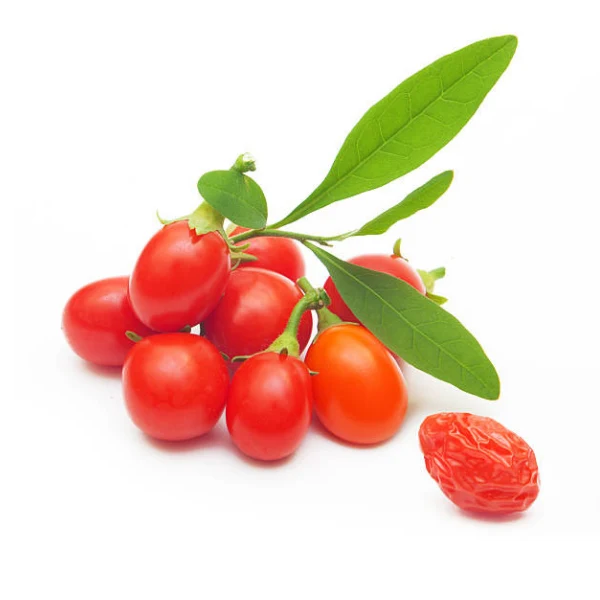
Is Goji berry a trigger for histamine intolerance?
Goji berry scores a 0 out of 3 on the SIGHI Food Compatibility List, placing it in the Safe category.
Goji berry & Histamine, what the evidence says
Goji berry carries a documented drug interaction that has nothing to do with histamine intolerance but is important enough to know about on its own: multiple case reports describe increased anticoagulant effects in people taking warfarin, a blood-thinning medication, after consuming goji juice, tea, or wine. In the most detailed case, a 71-year-old woman taking warfarin developed a dangerously elevated INR, along with nosebleeds, bruising, and rectal bleeding, after drinking goji juice for four days. She required hospitalization and treatment with vitamin K to reverse the excessive anticoagulation. Other published cases have described similar increases in INR after consuming goji tea or goji wine. Laboratory research has also found that goji preparations can inhibit CYP2C9, an enzyme involved in the metabolism of warfarin, providing a possible explanation for the interaction.
This means people taking warfarin should not start consuming goji berries, juice, tea, or wine regularly without discussing it with their doctor or anticoagulation clinic. Because warfarin has a narrow therapeutic range, even changes in foods or herbal products can matter. This interaction is not related to histamine at all. It is a separate pharmacological issue.
Separate from this, goji berry belongs to the nightshade family, Solanaceae, along with tomatoes and eggplant. Rare but genuine allergic reactions have been documented, including anaphylaxis. Studies have detected goji-specific IgE antibodies and identified lipid transfer proteins as likely contributors to the allergic response, with evidence that some reactions may result from cross-reactivity with LTPs from other plant foods.
Some online sources describe goji as a histamine liberator that can worsen histamine intolerance symptoms, but we were not able to find a specific study demonstrating that goji directly causes histamine release in humans. That claim should therefore not be presented as an established property of the fruit.
Goji berry's baseline histamine profile itself is not well established in the reference lists commonly used for this kind of information. That lack of data is different from evidence that goji is inherently high in histamine or a confirmed histamine liberator.
Does preparation change the risk?
For goji berry, the warfarin interaction and allergy potential are the main documented considerations, separate from an unsettled histamine classification.
| Form | Risk Level | Notes |
|---|---|---|
| Dried goji berries, occasional small amount, no warfarin | Low | No established histamine concern, though overall data is limited |
| Goji juice, tea, or wine | Moderate | More concentrated than whole berries; same warfarin interaction applies |
| Any goji product, taking warfarin | High | This is a drug interaction consideration, not a histamine one. Discuss with your doctor or anticoagulation clinic first. |
| Any goji product, known nightshade allergy | High | Rare but documented allergic reactions, including anaphylaxis, have occurred |
Note: The higher-risk rows here reflect a documented drug interaction and allergy potential, not standardized histamine measurements. These are separate considerations from histamine intolerance.
A food score is a reference, not a verdict.
Histamine intolerance is highly individual. A food that triggers symptoms in one person may be tolerated by another, even within the same category.
Strict elimination may help reduce symptoms initially, but long-term progress often depends on gradual reintroduction and pattern recognition. The goal is not to remove more foods over time, but to understand your personal tolerance and expand your diet when possible.
Tracking symptoms, portions, and context such as stress or timing can provide insights that generalized food lists cannot. This is where informed decisions replace fear-based restriction.
How to test your tolerance
 Talk to your doctor if you take warfarin.
Don't start regular goji consumption without discussing it with your doctor or anticoagulation clinic, given the documented interaction and warfarin's narrow therapeutic range.
 Know the warning signs of excess anticoagulation.
Unusual bruising, nosebleeds, or bleeding after starting goji products while on warfarin call for prompt medical attention.
 Consider your nightshade allergy history.
If you have known allergies to tomatoes, eggplant, or other nightshades, be cautious trying goji berry for the first time.
 Treat it as a new food to test for histamine purposes.
Since goji berry's histamine profile isn't well established, introduce it in a small amount first, the way you would with any unfamiliar food.
 Don't assume the histamine liberator claim is settled.
This is a claim repeated online without a specific study behind it. Treat it as unconfirmed rather than an established fact.
 Track it carefully.
Since there's no reliable histamine classification to fall back on, logging your own response to goji berry in MyHistaMap is especially useful here.
Common questions about Goji berry and histamine
Is goji berry safe with warfarin?
This combination requires caution. Multiple documented cases describe dangerous increases in bleeding risk in people taking warfarin after consuming goji juice, tea, or wine. Talk to your doctor before adding goji products to your diet if you take warfarin.
Is goji berry high in histamine?
This isn't well established either way. Goji berry's baseline histamine profile hasn't been clearly classified in reference lists commonly used for this kind of information.
Is goji berry a histamine liberator?
This claim appears online, but we couldn't find a specific study demonstrating that goji directly causes histamine release in humans. It shouldn't be treated as an established fact.
Can goji berry cause an allergic reaction?
Rare but genuine allergic reactions have been documented, including anaphylaxis, particularly in people with other nightshade allergies. This is a separate issue from histamine intolerance.
Some people find these options helpful





Supplements are optional tools, not a solution. Personal tracking and identifying your individual triggers remains the priority.
Where this information comes from
At MyHistaMap we curate information from peer reviewed research and recognized medical sources. This guide is a reference tool, not a medical prescription. Always track your own reactions and consult your healthcare provider.
References
- Rivera et al., Probable Interaction Between Lycium barbarum (Goji) and Warfarin: A Case Report, Pharmacotherapy, 2012: describes a 71-year-old woman on warfarin hospitalized with a markedly elevated INR and bleeding symptoms after drinking goji juice for four days, requiring vitamin K treatment. The source for the primary case referenced on this page.
- In Vitro Activity of Lycium barbarum (Goji) Against Major Human Phase I Metabolism Enzymes: found goji juice and extracts strongly inhibited CYP2C9 and other CYP450 enzymes involved in drug metabolism. The source for the CYP2C9 mechanism referenced on this page.
- Lam et al., Possible Interaction Between Warfarin and Lycium barbarum L., Annals of Pharmacotherapy, 2001, and Guzman et al., Bleeding Due to a Probable Interaction Between Warfarin and Gouqizi (Lycium barbarum L.): additional published case reports describing elevated INR and bleeding after goji tea or wine consumption in patients on warfarin. The source for this page's note on multiple published cases.
- Studies identifying goji-specific IgE antibodies and lipid transfer proteins as potential allergens, with evidence of cross-reactivity with LTPs from other plant foods in some patients with documented goji allergy, including reports of anaphylaxis. The source for the allergy information referenced on this page.