This content is for informational purposes only and does not constitute medical advice. Always consult a qualified healthcare provider before making dietary changes. Histamine tolerance is highly individual.
This information applies to histamine intolerance, DAO deficiency, and MCAS only. If you have a confirmed food allergy, this content does not apply to you. Food allergies involve the immune system and can be life-threatening. Please consult your allergist.
Is Guava a trigger for histamine intolerance?
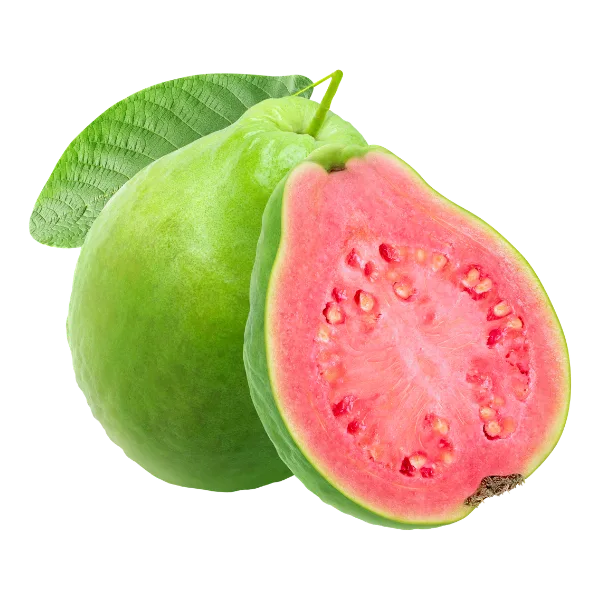
Guava scores a 2 out of 3 on the SIGHI Food Compatibility List, placing it in the Moderate category. Some reference sources also suggest it may be a histamine liberator, though even the source itself describes this as unconfirmed or suspected.
Guava & Histamine, what the evidence says
Guava fruit itself doesn't have a well-established histamine classification in the reference lists commonly used for this kind of information. What's better studied is guava leaf, traditionally used as a tea or extract, which is a separate product from the fruit with its own body of research.
Guava leaf has documented antidiarrheal activity, particularly in experimental models of infectious diarrhea. Laboratory research found that a hot-water extract of guava leaves inhibited the adherence of enteropathogenic E. coli to intestinal cells and reduced the ability of enteroinvasive E. coli and Shigella flexneri to invade them. The extract also showed antibacterial activity against some of these pathogens and reduced the production or activity of certain bacterial toxins. Quercetin, one of the major compounds found in guava leaves, also inhibited bacterial invasion in the same study, but the researchers concluded that the full antidiarrheal effect of guava leaf could not be explained by quercetin alone.
Guava leaf has also been studied for its effects on blood sugar. A human study comparing guava leaf tea with usual treatment found lower fasting and post-meal blood glucose measurements after the tea was consumed with a meal. Animal research has reported similar blood sugar-lowering effects. These findings are interesting, but they concern glucose regulation rather than histamine intolerance.
A patent filing describes laboratory testing of dried guava leaf extract and its effect on histamine release from mast cells. In those experiments, the extract inhibited histamine release triggered experimentally with compound 48/80. The patent also describes experiments in animals. However, this evidence comes from a patent rather than a peer-reviewed scientific journal, so it has a different level of independent scrutiny and should be treated as preliminary rather than as an established antihistamine effect.
None of this tells us much about guava fruit's own histamine content, which remains an open question. Guava leaf's documented effects, mainly around infectious diarrhea and glucose regulation, are also separate from dietary histamine intolerance.
Does preparation change the risk?
Because guava fruit lacks a clear histamine classification, freshness is a reasonable general guide. Guava leaf is a separate product with its own considerations, unrelated to histamine.
| Form | Risk Level | Notes |
|---|---|---|
| Fresh guava fruit | Low | No established histamine concern, though overall data is limited |
| Guava juice, freshly made | Low | Similar reasoning applies as with the fresh fruit |
| Guava leaf tea | Low | A separate product from the fruit; its documented effects concern diarrhea and blood sugar, not histamine |
| Fermented guava products | Moderate | Fermentation generally raises histamine and other biogenic amines, as in other fruit-based products |
Note: Risk levels are based on clinical observations and patient reports, not standardized histamine measurements. Individual tolerance varies.
A food score is a reference, not a verdict.
Histamine intolerance is highly individual. A food that triggers symptoms in one person may be tolerated by another, even within the same category.
Strict elimination may help reduce symptoms initially, but long-term progress often depends on gradual reintroduction and pattern recognition. The goal is not to remove more foods over time, but to understand your personal tolerance and expand your diet when possible.
Tracking symptoms, portions, and context such as stress or timing can provide insights that generalized food lists cannot. This is where informed decisions replace fear-based restriction.
How to test your tolerance
 Treat the fruit as a new food to test.
Since guava fruit doesn't have an established histamine profile, introduce it in a small amount first, the way you would with any unfamiliar food.
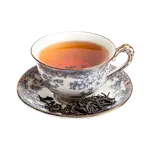 Don't confuse guava leaf tea with an antihistamine.
The mast cell research on guava leaf comes from a patent, not a peer-reviewed study, and shouldn't be treated as an established effect.
 Guava leaf's documented benefits are about diarrhea and blood sugar.
If you're interested in guava leaf tea, know that its best-supported research is unrelated to histamine intolerance.
- Be cautious with fermented guava products.
Fermentation tends to raise histamine content, so these carry more uncertainty than fresh fruit or juice.
 Separate fruit and leaf in your thinking.
Guava fruit and guava leaf are different products with different research behind them. Don't assume findings about one apply to the other.
 Track it carefully.
Since there's no reliable histamine classification for the fruit to fall back on, logging your own response to guava in MyHistaMap is especially useful here.
Common questions about Guava and histamine
Is guava high in histamine?
This isn't well established. Guava fruit hasn't been clearly classified in reference lists commonly used for this kind of information.
Is guava leaf tea an antihistamine?
This claim isn't well supported. A patent describes a laboratory test where guava leaf extract inhibited histamine release from mast cells, but this comes from a patent filing rather than a peer-reviewed study, so it should be treated as preliminary.
What is guava leaf actually used for?
Its best-documented research is around infectious diarrhea, where it's shown antibacterial and anti-invasive effects against certain pathogens, and blood sugar regulation, where studies have found it can lower fasting and post-meal glucose.
Should I try guava if I have histamine intolerance?
It's reasonable to try the fresh fruit in a small amount, the same way you'd introduce any new food, since there isn't strong evidence pointing to it being a common trigger.
Some people find these options helpful





Supplements are optional tools, not a solution. Personal tracking and identifying your individual triggers remains the priority.
Where this information comes from
At MyHistaMap we curate information from peer reviewed research and recognized medical sources. This guide is a reference tool, not a medical prescription. Always track your own reactions and consult your healthcare provider.
References
- Newer Insights into the Mechanism of Action of Psidium guajava L. Leaves in Infectious Diarrhoea, 2010: found guava leaf extract inhibited E. coli adherence and E. coli/Shigella invasion of intestinal cells, with antibacterial and antitoxin effects, and concluded quercetin alone did not account for the full antidiarrheal activity. The source for the antidiarrheal findings referenced on this page.
- Human and animal studies on guava leaf tea and blood glucose: found lower fasting and post-meal blood glucose after guava leaf tea consumption in a human study, with similar effects reported in animal research. The source for the blood sugar findings referenced on this page.
- Method of Treatment of Atopic Dermatitis with Dried Guava Leaves, U.S. patent filing: describes laboratory experiments in which dried guava leaf extract inhibited histamine release from mast cells triggered experimentally with compound 48/80. The source for the mast cell findings referenced on this page, presented with the caveat that this evidence comes from a patent rather than a peer-reviewed journal.