This content is for informational purposes only and does not constitute medical advice. Always consult a qualified healthcare provider before making dietary changes. Histamine tolerance is highly individual.
This information applies to histamine intolerance, DAO deficiency, and MCAS only. If you have a confirmed food allergy, this content does not apply to you. Food allergies involve the immune system and can be life-threatening. Please consult your allergist.
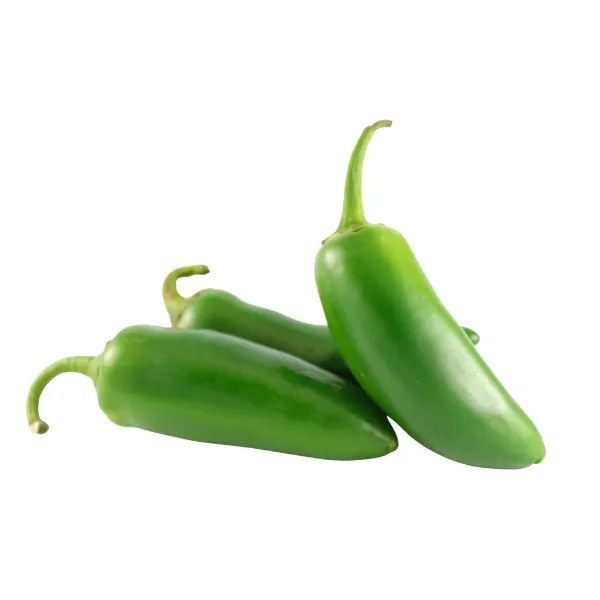
Is Bell pepper (hot) a trigger for histamine intolerance?
Bell pepper (hot) scores a 2 out of 3 on the SIGHI Food Compatibility List, placing it in the Moderate category.
Bell pepper (hot) & Histamine, what the evidence says
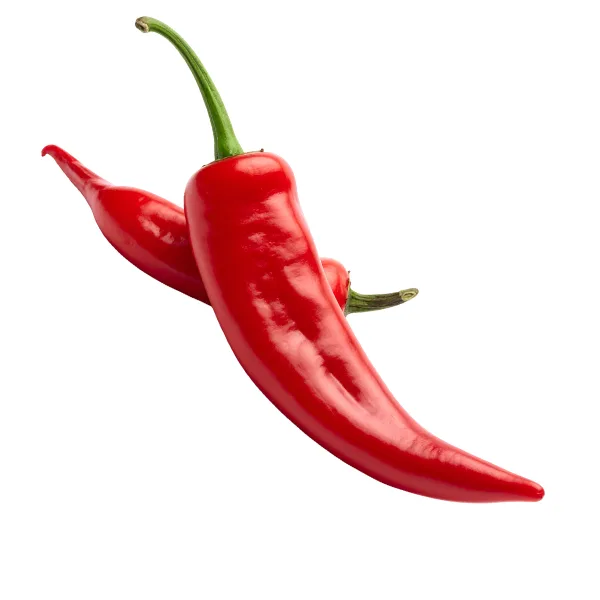
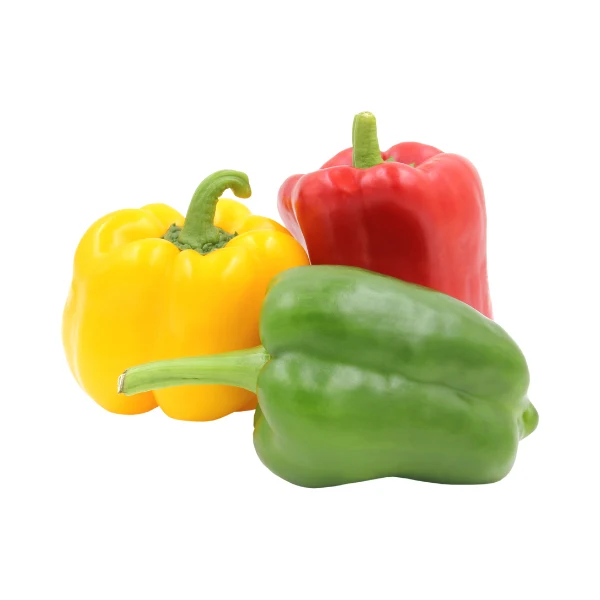
"Hot pepper" covers a range of varieties rather than one specific type. Common examples include jalapeño, serrano, habanero, cayenne, Thai chili peppers, and hot paprika. This category also includes peppers like the Hungarian wax pepper, which belongs to the same species as sweet bell pepper but contains measurable amounts of capsaicin, unlike ordinary sweet bell pepper.
Reference sources like SIGHI explain the caution around hot peppers differently than you might expect: rather than pointing to histamine content in the pepper itself, they attribute it to capsaicin's effect on the gut lining, specifically its ability to increase intestinal permeability and enhance the absorption of histamine from food eaten alongside it. Capsaicin acts on TRPV1, a receptor involved in the burning sensation caused by hot peppers, and its effects on intestinal permeability depend on the dose and conditions involved. Some studies have found that moderate doses can support the intestinal barrier, while higher doses can increase permeability. We couldn't find research testing this specifically with histamine, so the link between increased intestinal permeability and histamine absorption has not been established.
There is also an interesting finding involving capsaicin and salicylates, although the evidence comes from animal research and involved aspirin rather than salicylate-rich foods. In one rat study, chili pepper extract reduced the amount of salicylic acid reaching the bloodstream after aspirin was given at the same time, with reductions of up to 76% after repeated exposure. This has not been confirmed in humans, and it is not known whether eating hot peppers affects the absorption of salicylates from food. Still, the finding is worth noting because it shows that capsaicin can affect the absorption of some compounds taken alongside it.
Separately, capsaicin produces a genuine burning sensation on its own by binding to TRPV1, the same nerve receptor that normally detects real heat. Flushing, sweating, or a burning feeling after eating hot peppers can come from this direct nerve effect rather than from histamine. Since capsaicin doesn't dissolve well in water, dairy products tend to relieve the sensation more effectively than water does.
Does preparation change the risk?
Heat level and quantity affect both capsaicin's burning sensation and its possible effect on histamine absorption from other foods eaten alongside it.
| Form | Risk Level | Notes |
|---|---|---|
| Mild heat variety, small amount | Moderate | Baseline caution per reference lists like SIGHI, with capsaicin as the main documented factor |
| Standard serving | Moderate | Capsaicin-related effects become more noticeable at typical serving sizes |
| Very hot varieties, larger amounts | High | Higher capsaicin content increases both the burning sensation and the proposed permeability effect |
Note: Risk levels are based on clinical observations and patient reports, not standardized histamine measurements. Individual tolerance varies.
A food score is a reference, not a verdict.
Histamine intolerance is highly individual. A food that triggers symptoms in one person may be tolerated by another, even within the same category.
Strict elimination may help reduce symptoms initially, but long-term progress often depends on gradual reintroduction and pattern recognition. The goal is not to remove more foods over time, but to understand your personal tolerance and expand your diet when possible.
Tracking symptoms, portions, and context such as stress or timing can provide insights that generalized food lists cannot. This is where informed decisions replace fear-based restriction.
How to test your tolerance
 Separate heat irritation from histamine reactions.
Capsaicin directly activates heat-sensing nerves, which can produce flushing or burning independent of histamine content.
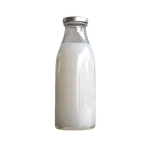 Reach for dairy, not water, if the heat is too much.
Capsaicin doesn't dissolve well in water, so milk or yogurt relieve the burning sensation more effectively.
 Consider hot pepper's effect on other foods in the same meal.
SIGHI's reasoning suggests hot pepper may increase histamine absorption from food eaten alongside it, not just from the pepper itself.
 Keep this in mind if you also track salicylate intake.
Animal research suggests capsaicin may affect how much salicylate the body absorbs from other foods or medications eaten at the same time, though this hasn't been confirmed in humans.
 Start with a small amount.
Given the caution noted on reference lists and the capsaicin heat effect, a modest first trial helps you gauge your own response.
 Track your response.
Log the pepper variety, amount, and specific symptoms using MyHistaMap to help distinguish capsaicin effects from histamine reactions.
Common questions about Bell pepper (hot) and histamine
Is hot pepper high in histamine?
Hot pepper itself isn't associated with meaningful histamine content. The caution on reference lists like SIGHI is instead attributed to capsaicin's possible effect on gut permeability, which may enhance histamine absorption from other food eaten at the same meal.
Why does hot pepper cause burning even if histamine isn't the cause?
Capsaicin activates TRPV1, the same nerve receptor that detects real heat, producing a genuine burning sensation independent of histamine content.
What varieties count as "hot pepper"?
This covers a range of varieties, including jalapeño, serrano, habanero, cayenne, Thai chili peppers, hot paprika, and peppers like the Hungarian wax pepper, which is the same species as sweet bell pepper but contains real, measurable capsaicin.
Does hot pepper affect salicylate levels from other foods?
A rat study found chili pepper extract reduced how much salicylic acid reached the bloodstream after aspirin was taken at the same time. This hasn't been confirmed in humans or specifically with salicylate-rich foods, but it shows capsaicin can affect the absorption of some compounds eaten alongside it.
How can I tell if my reaction to hot pepper is histamine or capsaicin?
Capsaicin effects tend to be localized (mouth, throat, stomach burning) and dose-dependent on heat level, while a histamine reaction is broader. Tracking symptoms alongside pepper heat level can help clarify the pattern over time.
Does milk help more than water with pepper burn?
Yes, because capsaicin doesn't dissolve well in water. Dairy products are generally more effective at relieving the sensation.
Some people find these options helpful


Supplements are optional tools, not a solution. Personal tracking and identifying your individual triggers remains the priority.
Where this information comes from
At MyHistaMap we curate information from peer reviewed research and recognized medical sources. This guide is a reference tool, not a medical prescription. Always track your own reactions and consult your healthcare provider.
References
- SIGHI (Swiss Interest Group Histamine Intolerance) Food Compatibility List: lists bell pepper (hot) separately from sweet pepper and chili pepper, with a histamine score of 2. The source for this page's classification.
- Swiss Interest Group Histamine Intolerance (SIGHI), histaminintoleranz.ch: states that hot spices, including pepper, chili, and curry, are able to increase intestinal permeability for histamine, enhancing histamine uptake. The source for this page's central reasoning about gut permeability.
- More Than Fat: Proteins in Dairy and Plant Milks Contribute to the Reduction of Oral Burn From Capsaicin, Food Quality and Preference, 2023: TRPV1 is normally activated by noxious heat above roughly 42°C, a threshold lowered by the presence of capsaicin. The source for this page's TRPV1 and dairy relief section.
- Zhao et al., Capsaicin Attenuates Lipopolysaccharide-Induced Inflammation and Barrier Dysfunction in Intestinal Porcine Epithelial Cell Line-J2, Frontiers in Physiology, 2021: found capsaicin pre-treatment increased tight junction proteins and decreased intestinal permeability in an inflammatory cell model, illustrating the mixed research on capsaicin's gut permeability effects. The source for this page's note on conflicting permeability research.
- Ingestion of Chilli Pepper (Capsicum annuum) Reduces Salicylate Bioavailability After Oral Aspirin Administration in the Rat: found chili pepper extract reduced salicylic acid bioavailability by 44 to 76% after acute and chronic administration alongside aspirin in rats. The source for this page's capsaicin and salicylate absorption section.
- RPAH Elimination Diet Handbook, Swain, Soutter & Loblay, Royal Prince Alfred Hospital Allergy Unit, 2011: lists spices, including chilli, in its very high salicylate category. The source for this page's salicylate classification.