This content is for informational purposes only and does not constitute medical advice. Always consult a qualified healthcare provider before making dietary changes. Histamine tolerance is highly individual.
This information applies to histamine intolerance, DAO deficiency, and MCAS only. If you have a confirmed food allergy, this content does not apply to you. Food allergies involve the immune system and can be life-threatening. Please consult your allergist.
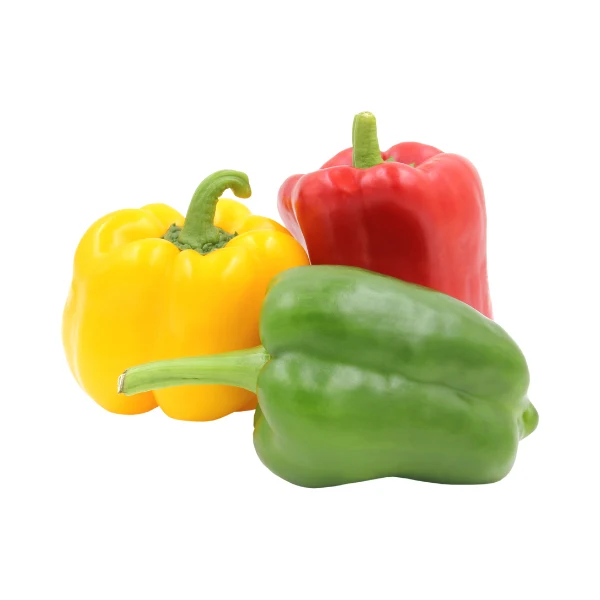
Is Bell pepper (sweet) a trigger for histamine intolerance?
Bell pepper (sweet) scores a 0 out of 3 on the SIGHI Food Compatibility List, placing it in the Safe category.
Bell pepper (sweet) & Histamine, what the evidence says
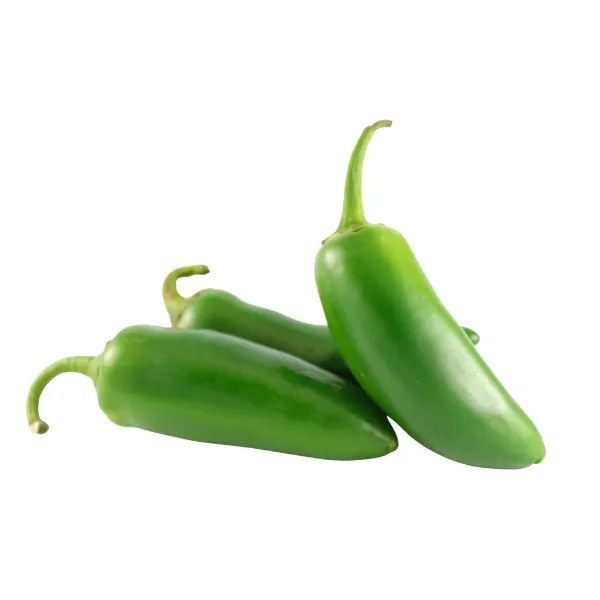
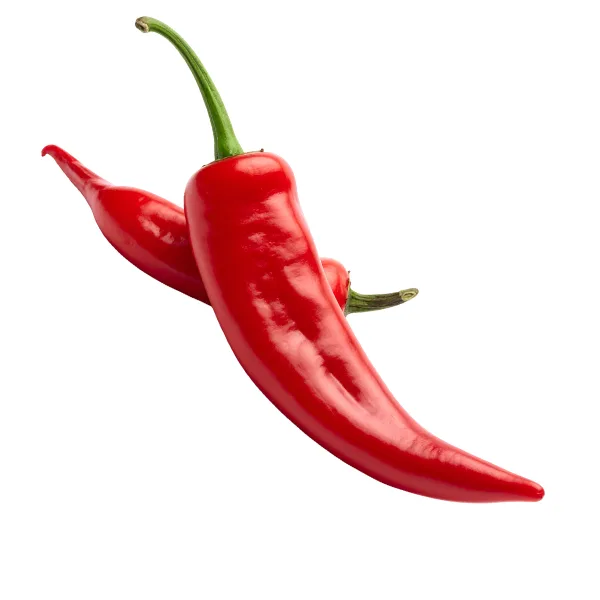
Sweet pepper is not associated with meaningful histamine content, distinguishing it from hot peppers, which are classified differently on some histamine reference lists. The difference also has a genetic basis: sweet peppers generally carry non-functional variants of the Pun1 gene, which is involved in producing capsaicinoids, the compounds responsible for the heat of chili peppers. As a result, sweet peppers do not normally accumulate the capsaicinoids found in pungent pepper varieties.
This is more than simply being a milder version of a hot pepper. Sweet peppers lack the capsaicinoid-driven burning sensation that can occur with chili peppers, which is useful to keep in mind when tracking symptoms. Burning, flushing, or digestive discomfort after a hot pepper does not necessarily indicate a histamine reaction, since capsaicin can produce these effects through its direct effects on sensory nerves and other tissues.
Separately, sweet pepper is notably high in salicylates, a different group of plant compounds from histamine and unrelated to the Pun1 gene story above. This is worth knowing for anyone managing salicylate sensitivity alongside histamine intolerance, since sweet pepper's lack of heat doesn't mean it's a low-risk choice across the board.
Does preparation change the risk?
Sweet pepper's histamine profile is consistent across color and preparation, though salicylate content is a separate consideration.
| Form | Risk Level | Notes |
|---|---|---|
| Green, red, yellow, or orange | Low | Not associated with meaningful histamine content across color varieties, which reflect ripeness rather than a different pepper type |
| Cooked | Low | Same histamine profile as raw |
| Roasted with skin charred | Low | Same histamine profile; charring is a preparation preference, not a histamine factor |
Note: Risk levels are based on clinical observations and patient reports, not standardized histamine measurements. Individual tolerance varies.
A food score is a reference, not a verdict.
Histamine intolerance is highly individual. A food that triggers symptoms in one person may be tolerated by another, even within the same category.
Strict elimination may help reduce symptoms initially, but long-term progress often depends on gradual reintroduction and pattern recognition. The goal is not to remove more foods over time, but to understand your personal tolerance and expand your diet when possible.
Tracking symptoms, portions, and context such as stress or timing can provide insights that generalized food lists cannot. This is where informed decisions replace fear-based restriction.
How to test your tolerance
 A cleaner test than hot pepper.
Since sweet pepper lacks capsaicinoids, it avoids the heat-related irritation that can complicate distinguishing symptoms with hot pepper varieties.
- Color reflects ripeness, not type.
Green, yellow, orange, and red sweet peppers are typically the same pepper at different stages of ripening, with the same favorable histamine profile.
 Preparation method doesn't change tolerance.
Raw, cooked, or roasted sweet pepper shares the same low-histamine profile.
- Consider salicylate sensitivity separately.
Sweet pepper is notably high in salicylates. If you also react to aspirin or other salicylate-rich foods, this is worth tracking apart from histamine.
 Track your response if trying it new.
Even well-tolerated vegetables are worth a brief note in MyHistaMap when first introduced.
Common questions about Bell pepper (sweet) and histamine
Is sweet pepper high in histamine?
No. Sweet pepper is not associated with meaningful histamine content, unlike hot pepper.
Why isn't sweet pepper spicy at all?
Sweet peppers generally carry non-functional variants of the Pun1 gene, which is involved in producing capsaicinoids, the compounds responsible for pepper heat. Without a functional copy of this gene, sweet peppers do not normally accumulate capsaicinoids.
Does the color of a sweet pepper affect its histamine content?
No. Different colors typically reflect ripening stages of the same pepper, not different histamine profiles.
Is sweet pepper high in salicylates?
Yes, notably so. This is a separate consideration from histamine, worth knowing if you're also managing salicylate sensitivity.
Is sweet pepper easier to test than hot pepper?
It can be, from a histamine standpoint. Hot pepper's capsaicin can cause burning, flushing, or digestive discomfort through its own sensory pathways, which can be mistaken for a histamine reaction. Sweet pepper avoids this complication, though both are similarly high in salicylates.
Some people find these options helpful

Supplements are optional tools, not a solution. Personal tracking and identifying your individual triggers remains the priority.
Where this information comes from
At MyHistaMap we curate information from peer reviewed research and recognized medical sources. This guide is a reference tool, not a medical prescription. Always track your own reactions and consult your healthcare provider.
References
- Evidence of Capsaicin Synthase Activity of the Pun1-Encoded Protein and Its Role as a Determinant of Capsaicinoid Accumulation in Pepper, BMC Plant Biology, 2015: confirms that the Pun1 gene encodes the enzyme responsible for capsaicin synthesis, and that non-pungent pepper cultivars lack a functional copy of this gene. The source for the Pun1 gene mechanism referenced on this page.
- SIGHI (Swiss Interest Group Histamine Intolerance) Food Compatibility List: lists bell pepper (sweet) with a histamine value of 0, in contrast to bell pepper (hot), which is listed with a value of 2. One of the reference lists reflecting the sweet-versus-hot distinction referenced on this page.
- RPAH Elimination Diet Handbook, Swain, Soutter & Loblay, Royal Prince Alfred Hospital Allergy Unit, 2011: lists capsicum among vegetables rated very high in salicylates. The source for this page's salicylate classification.
- Vegetables and Oxalate, Oxalosis and Hyperoxaluria Foundation: consistent with bell pepper's low oxalate content of roughly 10 mg per 100 grams reported by USDA FoodData Central. The source for this page's oxalate classification.