This content is for informational purposes only and does not constitute medical advice. Always consult a qualified healthcare provider before making dietary changes. Histamine tolerance is highly individual.
This information applies to histamine intolerance, DAO deficiency, and MCAS only. If you have a confirmed food allergy, this content does not apply to you. Food allergies involve the immune system and can be life-threatening. Please consult your allergist.
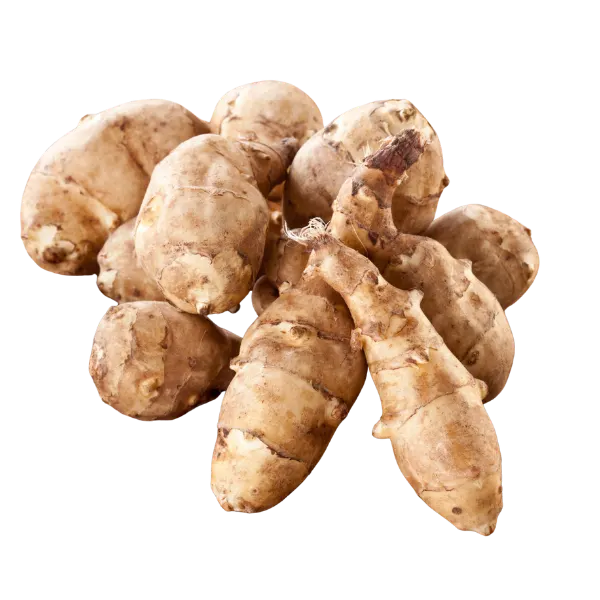
Is Jerusalem artichoke / Sunchoke a trigger for histamine intolerance?
Jerusalem artichoke / Sunchoke scores a 0 out of 3 on the SIGHI Food Compatibility List, placing it in the Safe category.
Jerusalem artichoke / Sunchoke & Histamine, what the evidence says
Jerusalem artichoke is not associated with meaningful histamine content, which places it favorably on a low-histamine approach. However, it is classified as poorly tolerated or unsuitable for people with salicylate sensitivity, making this a separate consideration for people who are also managing salicylates.
Jerusalem artichoke is particularly high in inulin, a type of fructan and FODMAP that can account for up to 85 percent of the tuber's dry weight. Normal serving sizes are considered high in FODMAPs, so its inulin content can be a more significant consideration for people sensitive to fructans.
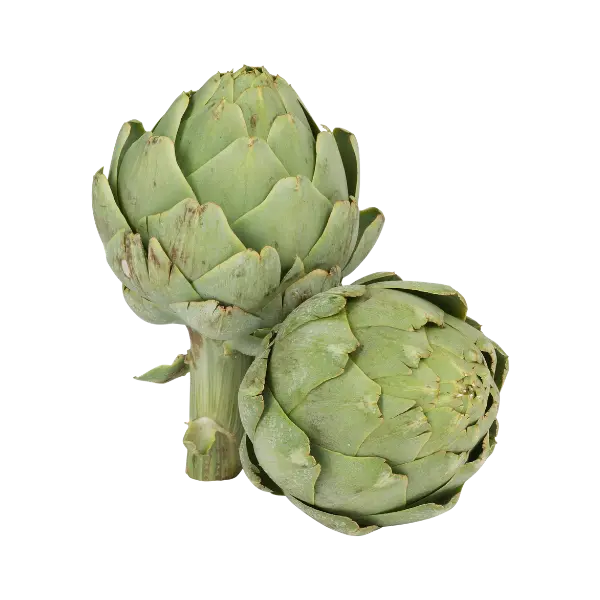
It should not be confused with globe artichoke, an unrelated plant with a similar name. Jerusalem artichoke (Helianthus tuberosus) is actually a species of sunflower grown for its edible tuber, while globe artichoke belongs to a completely different plant family and contains substantially less inulin.
Does preparation change the risk?
Jerusalem artichoke's FODMAP and salicylate considerations apply across preparations; portion size is the main variable.
| Form | Risk Level | Notes |
|---|---|---|
| Small amount, cooked | Moderate | Not associated with meaningful histamine content, but the salicylate and FODMAP considerations still apply |
| Normal serving size | High | Considered high in FODMAPs at typical serving sizes due to its very high inulin content |
| Raw | High | Same inulin and salicylate considerations as cooked; also harder to digest raw for many people |
Note: Risk levels are based on clinical observations and patient reports, not standardized histamine measurements. Individual tolerance varies.
A food score is a reference, not a verdict.
Histamine intolerance is highly individual. A food that triggers symptoms in one person may be tolerated by another, even within the same category.
Strict elimination may help reduce symptoms initially, but long-term progress often depends on gradual reintroduction and pattern recognition. The goal is not to remove more foods over time, but to understand your personal tolerance and expand your diet when possible.
Tracking symptoms, portions, and context such as stress or timing can provide insights that generalized food lists cannot. This is where informed decisions replace fear-based restriction.
How to test your tolerance
 Not the same as globe artichoke.
Despite the similar name, Jerusalem artichoke is a sunflower species grown for its tuber, while globe artichoke is a completely different plant with substantially less inulin.
 Know the salicylate consideration.
Jerusalem artichoke is classified as unsuitable for people with salicylate sensitivity, a separate consideration from its favorable histamine profile.
 Portion size matters significantly here.
Given its very high inulin content, normal serving sizes are already considered high in FODMAPs, so smaller portions are worth considering if you're fructan-sensitive.
 Consider globe artichoke as an alternative.
If you're managing fructan or salicylate sensitivity, globe artichoke contains substantially less inulin and may be a gentler option.
 Track your response if trying it new.
Given the salicylate and FODMAP considerations, logging your experience with the MyHistaMap app is particularly useful here.
Common questions about Jerusalem artichoke / Sunchoke and histamine
Is Jerusalem artichoke high in histamine?
No. Jerusalem artichoke is not associated with meaningful histamine content.
Is Jerusalem artichoke the same as globe artichoke?
No, despite the similar name. Jerusalem artichoke (Helianthus tuberosus) is a sunflower species grown for its tuber, while globe artichoke belongs to a completely different plant family and contains substantially less inulin.
Why is Jerusalem artichoke flagged for salicylate sensitivity?
It's classified as poorly tolerated or unsuitable for people with salicylate sensitivity on at least one major reference list, a separate consideration from its favorable histamine profile.
Is Jerusalem artichoke high in FODMAP?
Yes. Its inulin content can make up to 85% of the tuber's dry weight, and normal serving sizes are considered high in FODMAPs as a result.
Some people find these options helpful





Supplements are optional tools, not a solution. Personal tracking and identifying your individual triggers remains the priority.
Where this information comes from
At MyHistaMap we curate information from peer reviewed research and recognized medical sources. This guide is a reference tool, not a medical prescription. Always track your own reactions and consult your healthcare provider.
References
- SIGHI (Swiss Interest Group Histamine Intolerance) Food Compatibility List, version 2024-08-29: rates Jerusalem artichoke (Helianthus tuberosus, also called sunroot, sunchoke, or topinambur) 0, with no liberator or rich-in-histamine marking, but specifically notes it is 'not suitable for people sensitive to salicylates.' This is the source for both the low-histamine classification and the salicylate caution referenced on this page.
- Nutrients and Natural Toxic Substances in Commonly Consumed Jerusalem Artichoke (Helianthus tuberosus L.) Tuber, Food Chemistry: measured oxalate content at 14±9 mg per 100g fresh weight across samples from four Thai provinces, confirming low oxalate content. This is the source for the oxalate classification referenced on this page.
- Characterization of Fructan Metabolism During Jerusalem Artichoke (Helianthus tuberosus L.) Germination: confirms Jerusalem artichoke accumulates inulin, a type of fructan, in the tuber, accounting for approximately 85% of the tuber's dry weight. This is the source for the inulin content figure referenced on this page.
- Is Artichoke Low FODMAP, Casa de Sante: notes that while both globe and Jerusalem artichokes contain inulin, Jerusalem artichokes have higher levels of FODMAPs compared to globe artichokes. This is the source for the comparison with globe artichoke referenced on this page.