This content is for informational purposes only and does not constitute medical advice. Always consult a qualified healthcare provider before making dietary changes. Histamine tolerance is highly individual.
This information applies to histamine intolerance, DAO deficiency, and MCAS only. If you have a confirmed food allergy, this content does not apply to you. Food allergies involve the immune system and can be life-threatening. Please consult your allergist.
Is Jostaberry a trigger for histamine intolerance?
Jostaberry scores a 0 out of 3 on the SIGHI Food Compatibility List, placing it in the Safe category.
Jostaberry & Histamine, what the evidence says
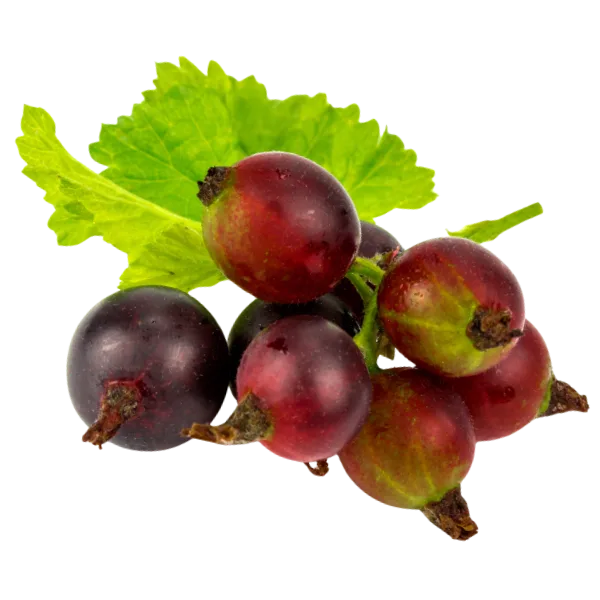
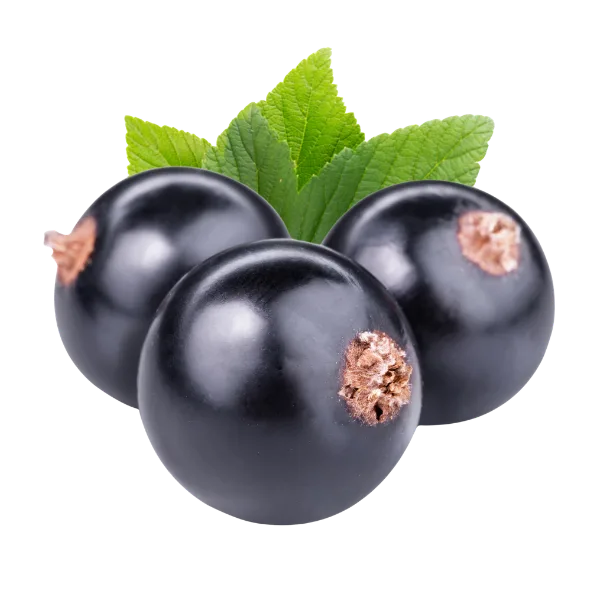
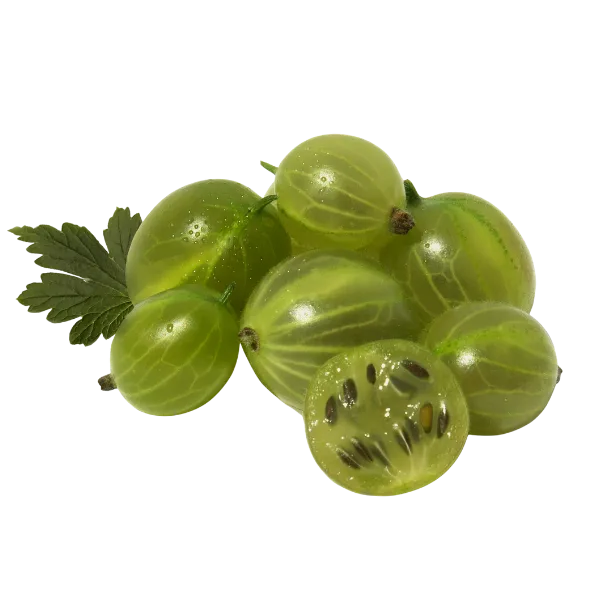
Jostaberry is a hybrid of blackcurrant and gooseberry, developed in Germany in the 1970s. Both parent fruits are discussed elsewhere on this site. Because jostaberry is a direct cross between two fruits that are generally considered well tolerated for histamine intolerance, it is reasonable to approach it similarly, although it is a less common fruit and has been studied much less extensively on its own.
Its composition falls between those of its two parents. Its vitamin C content comes close to the levels found in blackcurrant, while its anthocyanin and total polyphenol content generally falls between gooseberry and blackcurrant. Jostaberry also contains the same major anthocyanin compounds found in blackcurrant.
One laboratory study found that jostaberry juice had antibacterial activity against certain bacteria, including two Bacillus species and E. coli, although it had no effect against Serratia marcescens. This is a food-science finding based on laboratory testing of the juice and has not been studied specifically in relation to histamine intolerance.
Given how little jostaberry has been studied independently, there is no strong reason to assign it a distinct histamine concern based on the available evidence. Treating it similarly to its two parent fruits is a reasonable starting point, while introducing it in a modest amount if you are testing your individual tolerance.
Does preparation change the risk?
Since jostaberry hasn't been studied independently, freshness and processing are reasonable general guides, similar to its parent fruits.
| Form | Risk Level | Notes |
|---|---|---|
| Fresh jostaberries | Low | No established histamine concern; reasonable to approach like its parent fruits |
| Jostaberry juice, freshly made | Low | Similar reasoning applies as with the fresh fruit |
| Jostaberry jam or preserve | Low | Check for added ingredients, but the fruit itself isn't a concern |
| Jostaberry wine or fermented products | Moderate | Fermentation generally raises histamine and other biogenic amines, as with its parent fruits |
Note: Risk levels are based on clinical observations and patient reports, not standardized histamine measurements. Individual tolerance varies.
A food score is a reference, not a verdict.
Histamine intolerance is highly individual. A food that triggers symptoms in one person may be tolerated by another, even within the same category.
Strict elimination may help reduce symptoms initially, but long-term progress often depends on gradual reintroduction and pattern recognition. The goal is not to remove more foods over time, but to understand your personal tolerance and expand your diet when possible.
Tracking symptoms, portions, and context such as stress or timing can provide insights that generalized food lists cannot. This is where informed decisions replace fear-based restriction.
How to test your tolerance
 Introduce it in a modest amount.
Since jostaberry hasn't been studied independently, treat it as a new food to test, even though it's reasonable to approach it similarly to blackcurrant and gooseberry.
 Your tolerance for the parent fruits is a helpful reference point.
If you do well with blackcurrant and gooseberry, jostaberry is a reasonable next fruit to try.
 Be cautious with fermented jostaberry products.
Wine and other fermented jostaberry products carry more uncertainty than the fresh fruit, juice, or jam.
 Freeze extra jostaberries.
Freezing shortly after buying is a simple way to keep this fruit at its best for later use.
 Don't expect antibacterial effects from eating it.
A lab study found jostaberry juice had antibacterial activity against certain bacteria in a test tube setting. This hasn't been studied in relation to eating the fruit or to histamine intolerance.
 Track it separately from its parent fruits.
Even though jostaberry is a reasonable analogy to blackcurrant and gooseberry, log it as its own entry in MyHistaMap to track your individual response.
Common questions about Jostaberry and histamine
Is jostaberry high in histamine?
It hasn't been studied independently, but since it's a direct hybrid of blackcurrant and gooseberry, both generally well tolerated, it's reasonable to approach jostaberry similarly.
What is jostaberry?
It's a hybrid fruit combining blackcurrant and gooseberry, developed in Germany in the 1970s. Its composition, including vitamin C and anthocyanin content, falls between its two parent fruits.
Does jostaberry have antibacterial properties?
One laboratory study found jostaberry juice had antibacterial activity against certain bacteria in a test tube setting. This is a food-science finding, not something related to histamine intolerance or eating the fruit.
Should I try jostaberry if I have histamine intolerance?
It's reasonable to try in a modest amount, similar to how you'd approach its parent fruits, since there isn't evidence suggesting it's a distinct concern.
Some people find these options helpful





Supplements are optional tools, not a solution. Personal tracking and identifying your individual triggers remains the priority.
Where this information comes from
At MyHistaMap we curate information from peer reviewed research and recognized medical sources. This guide is a reference tool, not a medical prescription. Always track your own reactions and consult your healthcare provider.
References
- Advances in Ribes x nidigrolaria Fruits as Potential Source of Natural Molecules: A Preliminary Study on Physico-Chemical Traits of an Underutilized Berry, Scientia Horticulturae, 2018: describes jostaberry's polyphenol and anthocyanin content as intermediate between gooseberry and blackcurrant, its vitamin C content as close to blackcurrant levels, and cites a study finding jostaberry juice showed antibacterial activity against some but not all bacteria tested. The source for the composition and antibacterial findings referenced on this page.
- SIGHI (Swiss Interest Group Histamine Intolerance) Food Compatibility List: lists jostaberry as a hybrid of gooseberry and blackcurrant. The source for the botanical background referenced on this page.