This content is for informational purposes only and does not constitute medical advice. Always consult a qualified healthcare provider before making dietary changes. Histamine tolerance is highly individual.
This information applies to histamine intolerance, DAO deficiency, and MCAS only. If you have a confirmed food allergy, this content does not apply to you. Food allergies involve the immune system and can be life-threatening. Please consult your allergist.
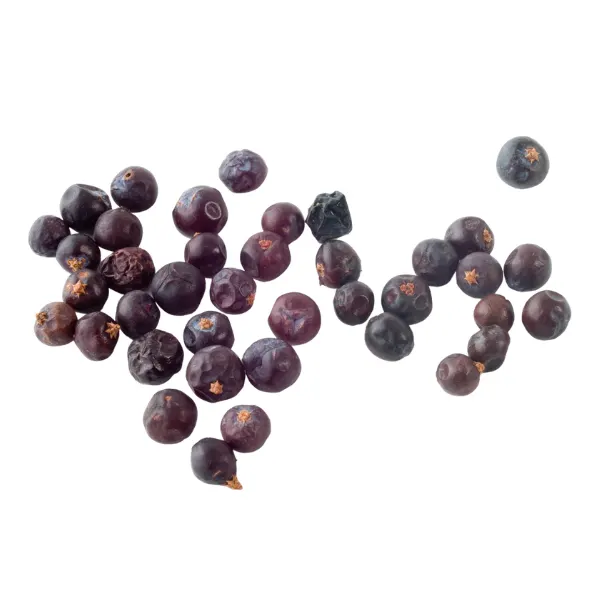
Is Juniper berries a trigger for histamine intolerance?
Juniper berries scores a 0 out of 3 on the SIGHI Food Compatibility List, placing it in the Safe category.
Juniper berries & Histamine, what the evidence says
Juniper berries are compatible with a low-histamine approach.
Their more distinctive consideration relates to their traditional diuretic use. Juniper berries have traditionally been used to increase urine production and help flush the urinary tract, an effect associated with compounds in the volatile oil, including terpinen-4-ol. This is also why concentrated medicinal preparations are not recommended for people with kidney disease or other conditions where fluid intake needs to be restricted. The concern is mainly based on the known pharmacological effects and safety assessment of juniper preparations rather than a well-documented series of human cases of kidney injury.
Juniper is not recommended during pregnancy or breastfeeding because there is insufficient information to establish its safety during these periods. Experimental research has also found blood sugar-lowering effects from juniper preparations, although clinical consequences when combined with diabetes medication have not been established.
These considerations are more relevant to regular, medicinal, or concentrated use than to the small amounts of juniper berries normally used as a culinary spice.
Does preparation change the risk?
Amount and preparation matter significantly for juniper berries, more so than for most spices in this category.
| Form | Risk Level | Notes |
|---|---|---|
| Whole berries, small culinary amounts | Low | Compatible with a low-histamine approach; traditional safety considerations mainly apply to medicinal, not culinary, use |
| Concentrated medicinal preparation or essential oil, regular use | High | Not recommended with kidney disease or fluid-restricted conditions; not recommended in pregnancy or breastfeeding |
| ⚠️ Any medicinal or concentrated use, if taking diabetes medication | Moderate | Experimental blood sugar-lowering effects have been found, though clinical consequences with diabetes medication haven't been established |
Note: Risk levels are based on clinical observations and patient reports, not standardized histamine measurements. Individual tolerance varies.
A food score is a reference, not a verdict.
Histamine intolerance is highly individual. A food that triggers symptoms in one person may be tolerated by another, even within the same category.
Strict elimination may help reduce symptoms initially, but long-term progress often depends on gradual reintroduction and pattern recognition. The goal is not to remove more foods over time, but to understand your personal tolerance and expand your diet when possible.
Tracking symptoms, portions, and context such as stress or timing can provide insights that generalized food lists cannot. This is where informed decisions replace fear-based restriction.
How to test your tolerance
 Culinary amounts are a different consideration.
The safety considerations for juniper mainly relate to regular, medicinal, or concentrated preparations, not the small amounts used as a spice in cooking.
 Avoid concentrated preparations with kidney disease.
Juniper's traditional diuretic action means concentrated or medicinal preparations aren't recommended if you have kidney disease or need to restrict fluid intake.
 Avoid medicinal use during pregnancy or breastfeeding.
There isn't enough safety information to recommend juniper preparations during these periods.
 Be aware if you take diabetes medication.
Experimental research has found blood sugar-lowering effects from juniper preparations, though this hasn't been established as a clinical interaction.
 Compatible with a low-histamine approach.
Juniper berries themselves are considered compatible with a low-histamine diet.
 Track your response in MyHistaMap.
Log the form and amount of juniper used, distinguishing culinary use from any medicinal preparations.
Common questions about Juniper berries and histamine
Are juniper berries high in histamine?
No, juniper berries are compatible with a low-histamine approach.
Can I use juniper berries if I have kidney disease?
Small culinary amounts are a different consideration than concentrated medicinal preparations, which aren't recommended with kidney disease or conditions requiring fluid restriction, based on juniper's traditional diuretic action.
Is juniper safe during pregnancy?
Medicinal or concentrated juniper preparations aren't recommended during pregnancy or breastfeeding, since there isn't enough safety information available for these periods.
Does juniper affect blood sugar?
Experimental research has found blood sugar-lowering effects from juniper preparations, though clinical consequences when combined with diabetes medication haven't been established.
Some people find these options helpful





Supplements are optional tools, not a solution. Personal tracking and identifying your individual triggers remains the priority.
Where this information comes from
At MyHistaMap we curate information from peer reviewed research and recognized medical sources. This guide is a reference tool, not a medical prescription. Always track your own reactions and consult your healthcare provider.
References
- SIGHI (Swiss Interest Group Histamine Intolerance) Food Compatibility List: classifies juniper berries with a histamine score of 0.
- Assessment report on Juniperus communis L., galbulus (pseudo-fructus), European Medicines Agency (EMA), Committee on Herbal Medicinal Products (HMPC): official safety assessment describing juniper's traditional diuretic use, contraindication in kidney disease and fluid-restricted conditions, and insufficient data to recommend use in pregnancy or breastfeeding. The source for this page's kidney and pregnancy sections.
- Assessment report on Juniperus communis L., aetheroleum, European Medicines Agency (EMA), Committee on Herbal Medicinal Products (HMPC): describes terpinen-4-ol as the compound associated with juniper's diuretic action and notes that documented human case reports of nephrotoxicity are lacking despite the traditional contraindication. The source for this page's note on the evidence level behind the kidney caution.