This content is for informational purposes only and does not constitute medical advice. Always consult a qualified healthcare provider before making dietary changes. Histamine tolerance is highly individual.
This information applies to histamine intolerance, DAO deficiency, and MCAS only. If you have a confirmed food allergy, this content does not apply to you. Food allergies involve the immune system and can be life-threatening. Please consult your allergist.
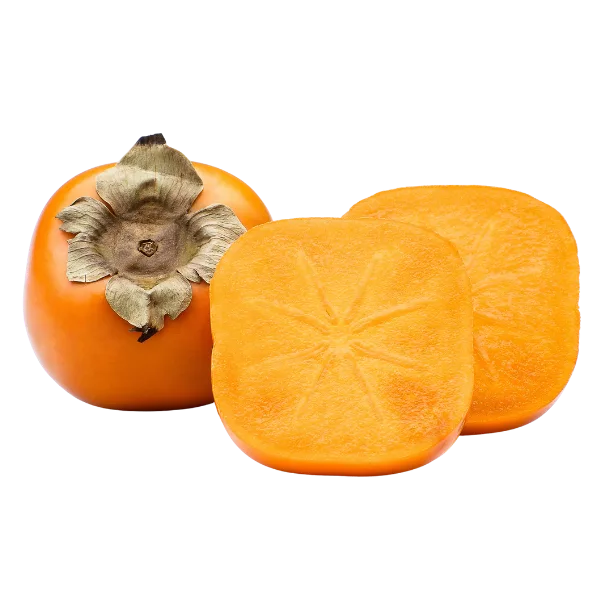
Is Kaki / Persimmon a trigger for histamine intolerance?
Kaki / Persimmon scores a 0 out of 3 on the SIGHI Food Compatibility List, placing it in the Safe category.
Kaki / Persimmon & Histamine, what the evidence says
Persimmon (kaki) carries a documented safety consideration unrelated to histamine intolerance: eating persimmons, especially in large amounts or regularly, can lead to the formation of a bezoar, a hard mass of indigestible material in the stomach or intestine. When the bezoar forms specifically from persimmon, it is called a diospyrobezoar. The risk is particularly associated with astringent or unripe persimmons, which contain higher levels of soluble tannins. In the acidic environment of the stomach, these tannins can polymerize and act as a cementing agent, binding with fiber, cellulose, and proteins to form a dense mass that the digestive system may have difficulty breaking down or passing normally.
This isn't a common occurrence for most people eating persimmons in ordinary amounts, but case reports show that repeated or excessive consumption can sometimes lead to serious obstruction. One recent case involved a 93-year-old man who ate two persimmons every day and developed an intestinal obstruction that ultimately required surgery. The removed mass was composed of more than 98% tannin. Other documented cases have involved intestinal perforation and peritonitis requiring surgical resection.
Documented risk factors include previous stomach surgery, diabetes, advanced age, delayed gastric emptying, poor mastication or dental problems, and excessive or habitual persimmon consumption. However, these factors do not have to be present. The recent 93-year-old patient's case is an example of a serious diospyrobezoar occurring without the commonly recognized risk factors of previous gastric surgery or diabetes.
If you have any of these risk factors, or if you develop persistent abdominal pain, nausea, vomiting, abdominal distension, or difficulty passing stool or gas after eating persimmons regularly or in large amounts, that calls for medical attention rather than assuming the symptoms will resolve on their own.
Separate from this digestive safety consideration, persimmon's histamine content itself isn't generally considered a significant concern for people managing histamine intolerance.
Does preparation change the risk?
For kaki, ripeness and portion size are the main safety considerations, separate from histamine, which isn't a significant concern for this fruit.
| Form | Risk Level | Notes |
|---|---|---|
| Ripe, soft persimmon, moderate amount | Low | Lower tannin content than unripe fruit; no established histamine concern |
| Unripe or astringent persimmon | Moderate | Higher tannin content, the main factor in bezoar formation |
| Large or frequent daily consumption, especially with a risk factor | High | This includes prior stomach surgery, diabetes, advanced age, or chewing difficulties. Diospyrobezoar has occurred even without these factors. |
Note: The higher-risk rows here reflect a documented digestive safety issue, not standardized histamine measurements. This is separate from histamine intolerance.
A food score is a reference, not a verdict.
Histamine intolerance is highly individual. A food that triggers symptoms in one person may be tolerated by another, even within the same category.
Strict elimination may help reduce symptoms initially, but long-term progress often depends on gradual reintroduction and pattern recognition. The goal is not to remove more foods over time, but to understand your personal tolerance and expand your diet when possible.
Tracking symptoms, portions, and context such as stress or timing can provide insights that generalized food lists cannot. This is where informed decisions replace fear-based restriction.
How to test your tolerance
 Choose ripe, soft persimmons.
Ripe fruit has lower tannin content than unripe or astringent persimmon, which is the main factor in bezoar formation.
 Avoid eating large amounts regularly.
Documented cases involved habitual consumption of multiple persimmons daily over time, not occasional eating.
- Chew thoroughly.
Poor mastication or dental problems are a documented risk factor for bezoar formation, since larger fragments are harder to digest.
- Be extra cautious with certain risk factors.
Prior stomach surgery, diabetes, advanced age, or slowed digestion increase the risk. If any apply to you, talk to a doctor about safe amounts.
 Know the warning signs.
Persistent abdominal pain, nausea, vomiting, bloating, or difficulty passing stool or gas after eating persimmons call for medical attention.
 This isn't a histamine tracking issue.
For MyHistaMap purposes, persimmon isn't a notable histamine concern. Its main safety consideration is digestive, not histamine-related.
Common questions about Kaki / Persimmon and histamine
Is kaki (persimmon) high in histamine?
No. Persimmon is generally rated as well tolerated for histamine. Its more notable safety consideration is unrelated to histamine.
Can persimmon really cause a blockage in the digestive tract?
Yes, this is documented, though uncommon with normal eating patterns. Tannins in persimmon, especially unripe fruit, can form a hard mass called a diospyrobezoar with repeated or excessive consumption, which has required surgery in some case reports.
Who is most at risk from persimmon bezoars?
People with prior stomach surgery, diabetes, advanced age, slowed digestion, or dental problems affecting chewing. However, documented cases have occurred without these risk factors, so caution with large or frequent servings is reasonable for everyone.
Is ripe persimmon safer than unripe persimmon?
Yes. Ripe, soft persimmon has lower tannin content than unripe or astringent fruit, which is the main factor associated with bezoar formation.
Some people find these options helpful





Supplements are optional tools, not a solution. Personal tracking and identifying your individual triggers remains the priority.
Where this information comes from
At MyHistaMap we curate information from peer reviewed research and recognized medical sources. This guide is a reference tool, not a medical prescription. Always track your own reactions and consult your healthcare provider.
References
- Diospyrobezoar (Persimmon Bezoar)-Induced Intestinal Obstruction in an Older Patient: A Case Report, Cureus, 2025: describes a 93-year-old man who ate two persimmons daily and developed an intestinal obstruction requiring surgery, with the removed mass composed of more than 98% tannin, occurring without the commonly recognized risk factors of prior gastric surgery or diabetes. The source for the case example and mechanism referenced on this page.
- Case reports of diospyrobezoar involving intestinal perforation and peritonitis requiring surgical resection, including in a patient with a history of gastric surgery. The source for this page's note on more severe documented complications.
- SIGHI (Swiss Interest Group Histamine Intolerance) Food Compatibility List: rates persimmon (kaki) as well tolerated. The source for persimmon's histamine classification referenced on this page.