This content is for informational purposes only and does not constitute medical advice. Always consult a qualified healthcare provider before making dietary changes. Histamine tolerance is highly individual.
This information applies to histamine intolerance, DAO deficiency, and MCAS only. If you have a confirmed food allergy, this content does not apply to you. Food allergies involve the immune system and can be life-threatening. Please consult your allergist.
Is Kale a trigger for histamine intolerance?
Kale scores a 1 out of 3 on the SIGHI Food Compatibility List, placing it in the Low category.
Kale & Histamine, what the evidence says
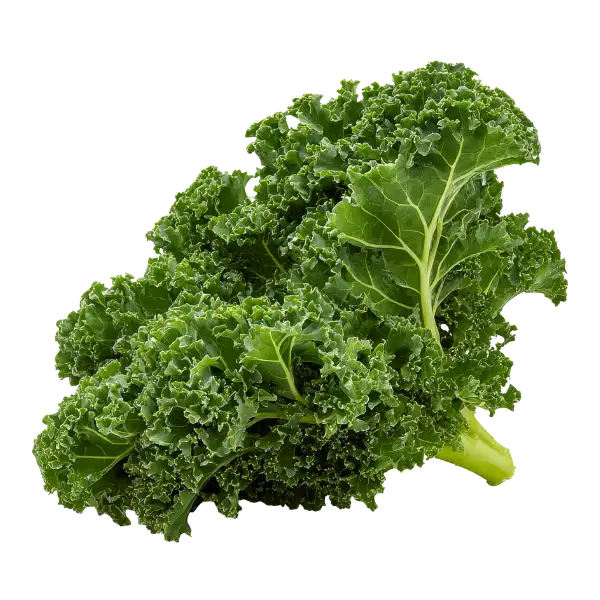
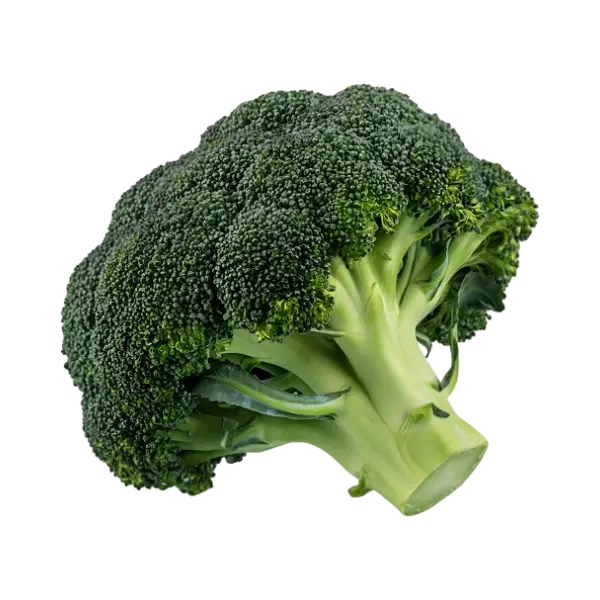
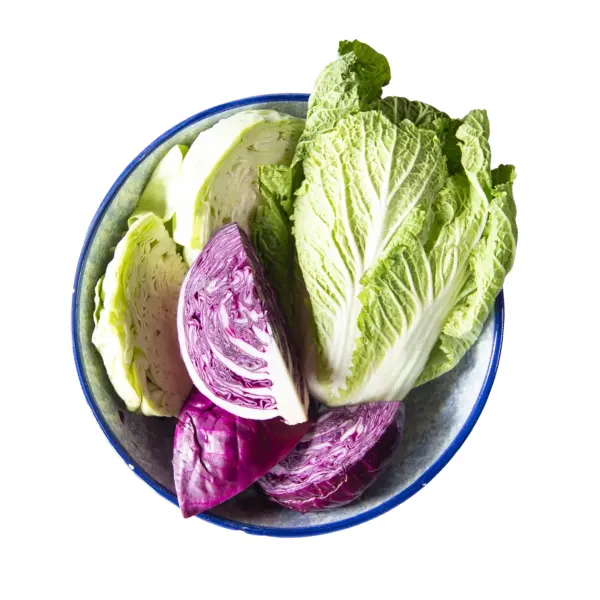
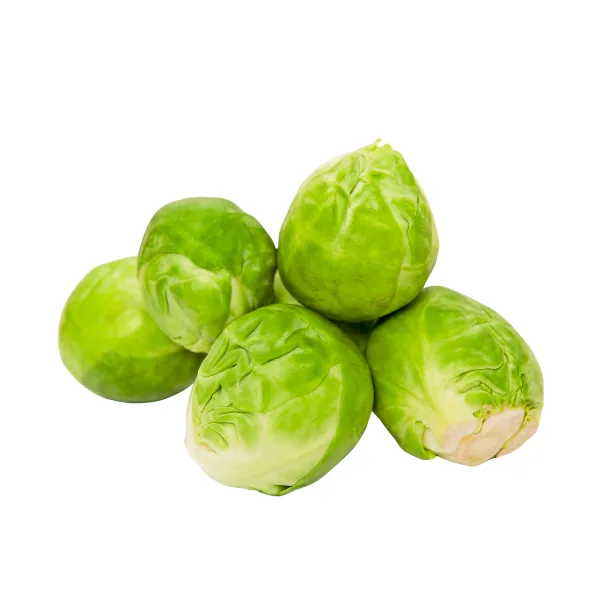
Kale is generally considered low in histamine on reference lists, although it is rated less favorably than some other vegetables. Kale (Brassica oleracea var. acephala) belongs to the same species as broccoli, cauliflower, Brussels sprouts, kohlrabi, and cabbage, but is a cultivated form grown for its leaves.
Cooked kale has been measured at roughly 817 micrograms of vitamin K per 100 grams. This is worth being aware of if you take warfarin or another vitamin K-antagonist anticoagulant, since vitamin K intake needs to stay consistent for these medications to work predictably.
Like other Brassica vegetables, it also contains glucosinolates, sulfur-containing compounds whose breakdown products can interfere with iodine uptake. This has raised concerns about thyroid function, particularly with very high intakes of raw cruciferous vegetables. Human studies have not generally found clinically significant thyroid effects from ordinary consumption, so this is mainly relevant to unusually large amounts or people with specific thyroid concerns.
From a digestive perspective, it is low in oxalate and FODMAPs at typical serving sizes. It also contains lectins, although cooking further reduces their levels.
Does preparation change the risk?
Cooking method affects goitrogen and lectin content, while portion size matters more for FODMAPs.
| Form | Risk Level | Notes |
|---|---|---|
| Cooked, small to moderate portion | Moderate | Cooking reduces glucosinolate breakdown products and lectin content |
| Raw, small portion (salad, smoothie) | Moderate | Same histamine profile; retains more of the compounds relevant to thyroid and lectin considerations |
| Very large raw amounts, sustained | High | The amount associated with thyroid concerns in the available evidence; not a typical serving size |
Note: Risk levels are based on clinical observations and patient reports, not standardized histamine measurements. Individual tolerance varies.
A food score is a reference, not a verdict.
Histamine intolerance is highly individual. A food that triggers symptoms in one person may be tolerated by another, even within the same category.
Strict elimination may help reduce symptoms initially, but long-term progress often depends on gradual reintroduction and pattern recognition. The goal is not to remove more foods over time, but to understand your personal tolerance and expand your diet when possible.
Tracking symptoms, portions, and context such as stress or timing can provide insights that generalized food lists cannot. This is where informed decisions replace fear-based restriction.
How to test your tolerance
 Related to broccoli, cauliflower, and cabbage.
Kale shares a species with several other common vegetables, just a different cultivated form grown for its leaves.
 Know about the vitamin K content if relevant.
Cooked kale is notably high in vitamin K. If you take warfarin or another vitamin K-antagonist anticoagulant, keeping your intake consistent matters more than avoiding it.
 Cooking reduces both goitrogens and lectins.
Cooking kale reduces the glucosinolate breakdown products relevant to thyroid function, as well as its lectin content.
 Thyroid concerns require unusually large amounts.
Ordinary consumption hasn't been shown to cause clinically significant thyroid effects in human studies; this is mainly relevant to unusually large, sustained amounts or specific thyroid conditions.
 Track your response if trying it new.
Even moderately-rated vegetables are worth a brief note in the MyHistaMap app when first introduced.
Common questions about Kale and histamine
Is kale high in histamine?
No, it's generally considered low in histamine, though rated less favorably than some other vegetables.
Is kale related to broccoli or cabbage?
Yes, kale belongs to the same species (Brassica oleracea) as broccoli, cauliflower, Brussels sprouts, kohlrabi, and cabbage, just a different cultivated form grown for its leaves.
Why does vitamin K matter for kale specifically?
Cooked kale is notably high in vitamin K, roughly 817 micrograms per 100 grams. This is relevant mainly if you take warfarin or another vitamin K-antagonist anticoagulant, since those medications require consistent vitamin K intake to work predictably.
Does kale affect thyroid function?
Like other Brassica vegetables, kale contains compounds that can interfere with iodine uptake, but human studies haven't generally found clinically significant thyroid effects from ordinary consumption. This is mainly relevant to unusually large amounts or people with specific thyroid concerns.
Is kale high in oxalate?
No, it's low in oxalate, unlike some other leafy greens such as spinach or chard.
Some people find these options helpful





Supplements are optional tools, not a solution. Personal tracking and identifying your individual triggers remains the priority.
Where this information comes from
At MyHistaMap we curate information from peer reviewed research and recognized medical sources. This guide is a reference tool, not a medical prescription. Always track your own reactions and consult your healthcare provider.
References
- SIGHI (Swiss Interest Group Histamine Intolerance) Food Compatibility List, version 2024-08-29: rates kale, brown cabbage, and curly cabbage 1, with no liberator or rich-in-histamine marking. This is the source for the low-histamine classification referenced on this page.
- Phenolic Component Profiles of Mustard Greens, Yu Choy, and 15 Other Brassica Vegetables, Journal of Agricultural and Food Chemistry: confirms kale, along with broccoli, cauliflower, Brussels sprouts, kohlrabi, and cabbage, are all cultivated forms of the species Brassica oleracea. This is the source for the taxonomic relationship referenced on this page.
- Vitamin K Vegetables: UK Sources, Daily Needs and Dietary Tips, Bolt Pharmacy: reports cooked kale provides approximately 817 micrograms of vitamin K per 100g, the highest among common vegetables tested, compared to 483mcg in cooked spinach. This is the source for the vitamin K figure referenced on this page.
- Do Brassica Vegetables Affect Thyroid Function? A Comprehensive Systematic Review, International Journal of Molecular Sciences (MDPI), 2024: a PRISMA-guided systematic review of 123 articles found that while animal studies (guinea pigs, cattle, lambs) showed goitrogenic effects from kale, cooked cauliflower showed no effect on radioactive iodine uptake in humans. This is the source for the thyroid/iodine information referenced on this page.
- The Role of Micronutrients in Thyroid Dysfunction, PMC, NIH: describes a small human study in which concentrated kale juice reduced radioiodine uptake by 25% after 7 days of consumption, but serum thyroid function tests remained unchanged. This is the source for the human-study nuance referenced on this page.
- Oxalate in Foods: Extraction Conditions, Analytical Methods, Occurrence, and Health Implications, PMC: lists kale among low-oxalate foods, in contrast to high-oxalate greens such as spinach, chard, and rhubarb.