This content is for informational purposes only and does not constitute medical advice. Always consult a qualified healthcare provider before making dietary changes. Histamine tolerance is highly individual.
This information applies to histamine intolerance, DAO deficiency, and MCAS only. If you have a confirmed food allergy, this content does not apply to you. Food allergies involve the immune system and can be life-threatening. Please consult your allergist.
Is Leek a trigger for histamine intolerance?
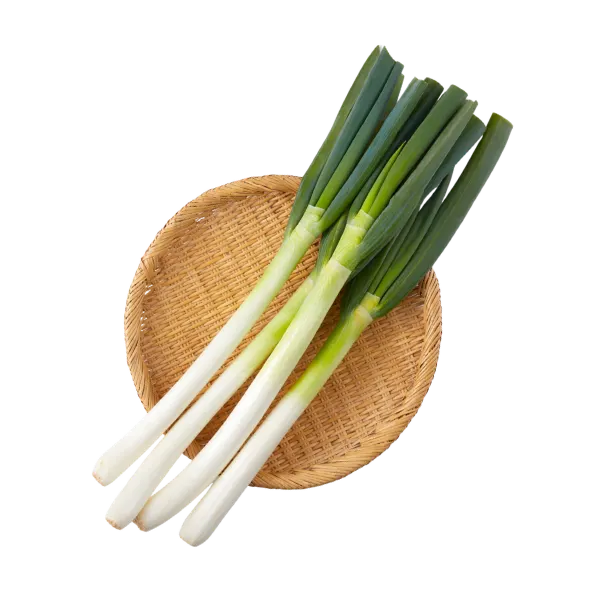
Leek scores a 1 out of 3 on the SIGHI Food Compatibility List, placing it in the Low category. Some reference sources also suggest it may be a histamine liberator, though even the source itself describes this as unconfirmed or suspected.
Leek & Histamine, what the evidence says
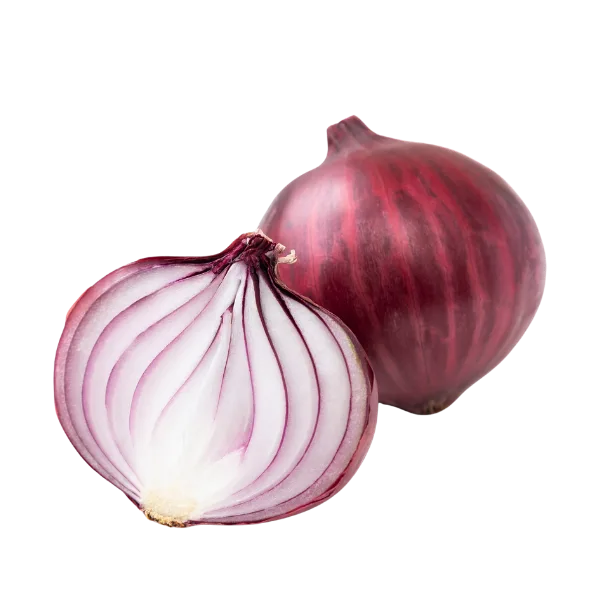
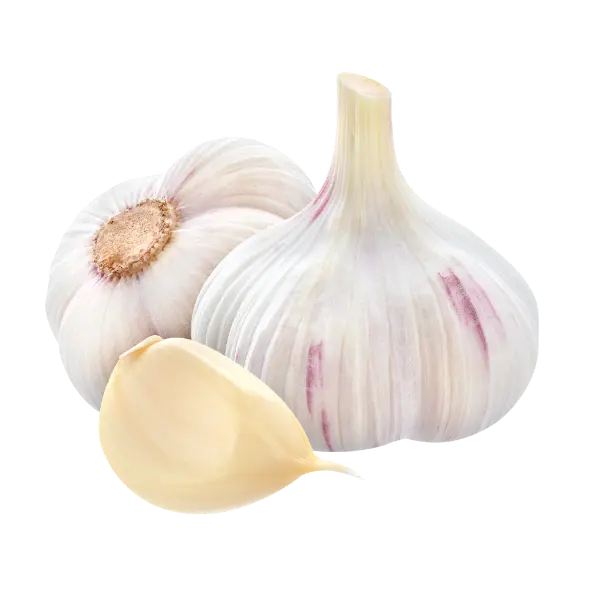
Leek is not associated with meaningful histamine content. As a member of the allium family alongside onion and garlic, it shares some structural similarities with those vegetables, though its flavor is generally milder.
Salicylate content for leek is a genuine point of disagreement across sources. Laboratory testing has placed whole leek in a medium range, while other food-elimination references categorize it as low. Specialized dietitian resources add another layer: some specifically report the green tops as very high in salicylates and the white base as low, while other sources do not distinguish between the two parts at all. This helps explain why leek can appear under very different classifications depending on the database being used.
Given this inconsistency, it's reasonable to treat leek as a moderate-salicylate food overall rather than assuming it's uniformly low, particularly if you are also managing salicylate sensitivity alongside histamine tracking.
This isn't unique to salicylates: leek's FODMAP content follows the same part-dependent pattern, though in the opposite direction. The white base and pale lower stem are concentrated in fructans, a type of FODMAP, while the darker green tops are comparatively low. This distinction matters because different culinary traditions use different parts of the leek, so the part you're actually eating can make a meaningful difference depending on which sensitivity you're managing.
Does preparation change the risk?
Which part of the leek you use may matter for both salicylate and FODMAP content, though in opposite directions.
| Form | Risk Level | Notes |
|---|---|---|
| Small amount, cooked | Low | Generally well tolerated; not associated with meaningful histamine content. |
| White base, larger amount | Moderate | Some sources report this as the lower-salicylate part, but it's concentrated in FODMAP fructans - relevant if you're sensitive to FODMAPs specifically. |
| Green top, larger amount | Moderate | Some sources report this as notably higher in salicylates than the white base, though it's comparatively low in FODMAPs. |
Note: Risk levels are based on clinical observations and patient reports, not standardized histamine measurements. Individual tolerance varies.
A food score is a reference, not a verdict.
Histamine intolerance is highly individual. A food that triggers symptoms in one person may be tolerated by another, even within the same category.
Strict elimination may help reduce symptoms initially, but long-term progress often depends on gradual reintroduction and pattern recognition. The goal is not to remove more foods over time, but to understand your personal tolerance and expand your diet when possible.
Tracking symptoms, portions, and context such as stress or timing can provide insights that generalized food lists cannot. This is where informed decisions replace fear-based restriction.
How to test your tolerance
 Small amounts are generally well tolerated.
Leek isn't associated with meaningful histamine content and is usually fine in modest quantities.
 Know the salicylate uncertainty.
Sources disagree on leek's overall salicylate level, and some report the green top as notably higher than the white base while others don't distinguish between the two at all. If you're salicylate-sensitive, this is worth testing individually rather than assuming based on one source.
 Consider testing white vs. green separately.
Since at least one source reports the green top as notably higher in salicylates, using primarily the white base and tracking your response can help you find your own pattern.
 Know that FODMAP runs the opposite direction from salicylates.
The white base is concentrated in FODMAP fructans, while the green top is comparatively low. If you're managing FODMAP sensitivity rather than salicylates, favoring the green top may work better for you.
 Track your response.
Given the genuine uncertainty in the data, logging your personal experience with leek using the MyHistaMap app is particularly useful here.
Common questions about Leek and histamine
Is leek high in histamine?
No, leek is not associated with meaningful histamine content and is noted as usually well tolerated in small amounts.
Is leek high in salicylates?
The data is genuinely inconsistent. Direct laboratory testing has placed it in a medium range, while other references categorize it as low. It's reasonable to treat it as moderate rather than assume it's uniformly low.
Does the white part or green part of leek have more salicylates?
Some sources specifically report the green top as notably higher than the white base, while many general references don't distinguish between the two parts at all. Testing your own response to each part may be more useful than relying on a single source.
Does the same white-vs-green pattern apply to FODMAPs?
It applies, but in reverse. The white base and pale lower stem are concentrated in FODMAP fructans, while the green tops are comparatively low. So the part that may be lower in salicylates is the part that's higher in FODMAPs, and vice versa.
Is leek related to onion and garlic?
Yes, it belongs to the same allium family, though it is generally considered milder in flavor and effect.
Some people find these options helpful

Supplements are optional tools, not a solution. Personal tracking and identifying your individual triggers remains the priority.
Where this information comes from
At MyHistaMap we curate information from peer reviewed research and recognized medical sources. This guide is a reference tool, not a medical prescription. Always track your own reactions and consult your healthcare provider.
References
- The Benefits of Leeks for Low Salicylate and Amine Sensitivities, The Food Intolerance Dietitian: the green leaves of leeks are likely to be very high in salicylates, while the white bulb part is the low-salicylate portion of the plant; the same source notes the white bulb is concentrated in FODMAP fructans while the green top is comparatively low in FODMAPs.
- Malakar et al., Naturally Occurring Dietary Salicylates: A Closer Look at Common Australian Foods, Journal of Food Composition and Analysis, 2017: direct laboratory analysis placing whole leek's salicylate content in a medium range. The source for this page's note on laboratory testing placing leek in a medium salicylate range.
- Salicylate Content of Foods List, Hungry to Heal: salicylate levels for the same food vary widely across different studies and databases, reflecting genuine discrepancies in the underlying research rather than a single settled figure.