This content is for informational purposes only and does not constitute medical advice. Always consult a qualified healthcare provider before making dietary changes. Histamine tolerance is highly individual.
This information applies to histamine intolerance, DAO deficiency, and MCAS only. If you have a confirmed food allergy, this content does not apply to you. Food allergies involve the immune system and can be life-threatening. Please consult your allergist.
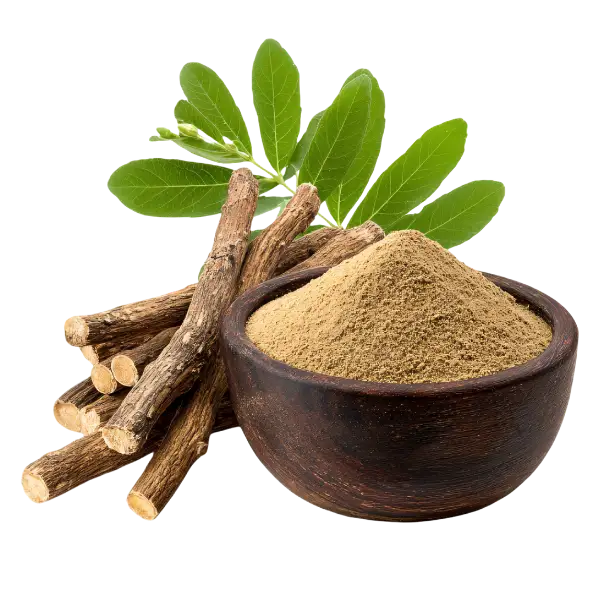
Is Liquorice root a trigger for histamine intolerance?
Liquorice root scores a 2 out of 3 on the SIGHI Food Compatibility List, placing it in the Moderate category.
Liquorice root & Histamine, what the evidence says
Liquorice root has a less favorable histamine classification, although the available evidence on its histamine profile is limited.
Its far more significant consideration is glycyrrhizin, the compound responsible for liquorice's characteristic sweetness. Glycyrrhizin inhibits an enzyme called 11β-hydroxysteroid dehydrogenase type 2, which normally protects the kidneys from the effects of cortisol. When glycyrrhizin is consumed in excessive amounts, this can produce a condition called pseudoaldosteronism, characterized by high blood pressure, low potassium, and fluid retention. The World Health Organization has identified around 100 mg of glycyrrhizin per day as an intake that is unlikely to cause adverse effects in most adults, although individual sensitivity varies considerably. Published case reports describe serious complications from prolonged high intake, including severe hypokalemia and dangerous heart rhythm disturbances.
This concern applies specifically to real liquorice containing glycyrrhizin. Products flavored with anise are sometimes sold as liquorice despite containing little or no actual liquorice, and therefore do not carry the same glycyrrhizin-related risk.
Liquorice root is also exceptionally high in oxalate. One laboratory analysis measured approximately 3,569 mg per 100 grams, although this value represents the dried root rather than the amount typically consumed in a serving.
From a FODMAP perspective, liquorice root has been tested as low in FODMAPs, including when prepared as a tea. This is a separate consideration from its glycyrrhizin content and does not change the need to limit excessive or prolonged intake.
Does preparation change the risk?
Glycyrrhizin content and how liquorice root is consumed matter more here than almost any other factor.
| Form | Risk Level | Notes |
|---|---|---|
| Anise-flavored "liquorice" candy (no real liquorice) | Low | Doesn't contain glycyrrhizin; check the label to confirm |
| Liquorice tea, occasional | Moderate | Low FODMAP, but still contains glycyrrhizin; less favorable histamine classification |
| Real liquorice root, candy, or supplements, regular use | High | Regular intake can approach or exceed the WHO's reference intake of about 100mg glycyrrhizin/day |
| ⚠️ Any regular intake, if pregnant, hypertensive, or taking blood pressure or potassium-affecting medication | High | These groups are at higher risk for glycyrrhizin-related complications; case reports describe serious outcomes |
Note: Risk levels are based on clinical observations and patient reports, not standardized histamine measurements. Individual tolerance varies.
A food score is a reference, not a verdict.
Histamine intolerance is highly individual. A food that triggers symptoms in one person may be tolerated by another, even within the same category.
Strict elimination may help reduce symptoms initially, but long-term progress often depends on gradual reintroduction and pattern recognition. The goal is not to remove more foods over time, but to understand your personal tolerance and expand your diet when possible.
Tracking symptoms, portions, and context such as stress or timing can provide insights that generalized food lists cannot. This is where informed decisions replace fear-based restriction.
How to test your tolerance
 Check whether it's real liquorice.
Many "liquorice" candies are actually anise-flavored and contain no real liquorice or glycyrrhizin. Check the ingredient list to know which one you have.
 Know the safety reference for glycyrrhizin.
The WHO references around 100mg of glycyrrhizin per day as unlikely to cause adverse effects in most adults, though sensitivity varies. Regular consumption of real liquorice can approach or exceed this.
 Extra caution if pregnant or hypertensive.
Case reports describe serious complications, including dangerous heart rhythm disturbances, from prolonged high intake, particularly in at-risk groups.
 Be aware if you take blood pressure medication.
Glycyrrhizin's effects on blood pressure and potassium can interact with these medications. Regular liquorice use is worth mentioning to a healthcare provider.
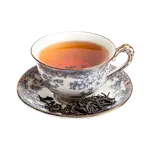 Liquorice tea still contains glycyrrhizin.
It tests low in FODMAPs, but that's a separate consideration from glycyrrhizin content, which still applies.
 Track your response in MyHistaMap.
Log the form and amount of liquorice used, and whether it contains real glycyrrhizin.
Common questions about Liquorice root and histamine
Is liquorice root high in histamine?
It has a less favorable histamine classification, though the available evidence on its histamine profile is limited.
What is glycyrrhizin and why does it matter?
Glycyrrhizin is the compound responsible for liquorice's sweetness. In excess, it can cause pseudoaldosteronism, a condition marked by high blood pressure, low potassium, and fluid retention. The WHO references about 100mg per day as unlikely to cause adverse effects in most adults.
Is all liquorice candy the same risk?
No. Many liquorice-flavored candies are actually flavored with anise and contain little or no real liquorice or glycyrrhizin. Checking the label matters.
Is liquorice root high in oxalates?
Yes, exceptionally so. One laboratory analysis found approximately 3,569 mg per 100 grams of dried root, though this reflects the dried root rather than a typical serving.
Some people find these options helpful





Supplements are optional tools, not a solution. Personal tracking and identifying your individual triggers remains the priority.
Where this information comes from
At MyHistaMap we curate information from peer reviewed research and recognized medical sources. This guide is a reference tool, not a medical prescription. Always track your own reactions and consult your healthcare provider.
References
- SIGHI (Swiss Interest Group Histamine Intolerance) Food Compatibility List: classifies liquorice root with a histamine score of 2, marked with an "insufficient or contradictory information" designation.
- Licorice-Induced Pseudohyperaldosteronism: A Case Report, Clinical Case Reports, 2025: describes the mechanism of glycyrrhizic acid inhibiting 11β-hydroxysteroid dehydrogenase type 2, cites the WHO/Scientific Committee on Food reference intake of approximately 100mg glycyrrhizin/day, and documents a case of severe hypokalemia requiring ICU admission after six weeks of licorice confectionery. The source for this page's glycyrrhizin mechanism and safety reference.
- How Much Is Too Much? Exploring Pseudohyperaldosteronism in Glycyrrhizic Acid Toxicity From Chronic Licorice Root Consumption, Cureus, 2021: case report of dangerous cardiac arrhythmia risk (including risk of Torsades de Pointes) from chronic licorice consumption, and confirmation of FDA warnings for at-risk groups. The source for this page's note on serious cardiac complications.
- Siener R et al., Oxalate-Rich Foods, Food Science and Technology, 2021: direct laboratory measurement placing liquorice root's oxalate content at approximately 3,569 mg/100g dry matter, the highest of the Fabaceae species tested. The source for this page's oxalate figure.
- Monash University FODMAP Diet App food database: tests liquorice root tea as low FODMAP. The source for this page's FODMAP section.