This content is for informational purposes only and does not constitute medical advice. Always consult a qualified healthcare provider before making dietary changes. Histamine tolerance is highly individual.
This information applies to histamine intolerance, DAO deficiency, and MCAS only. If you have a confirmed food allergy, this content does not apply to you. Food allergies involve the immune system and can be life-threatening. Please consult your allergist.
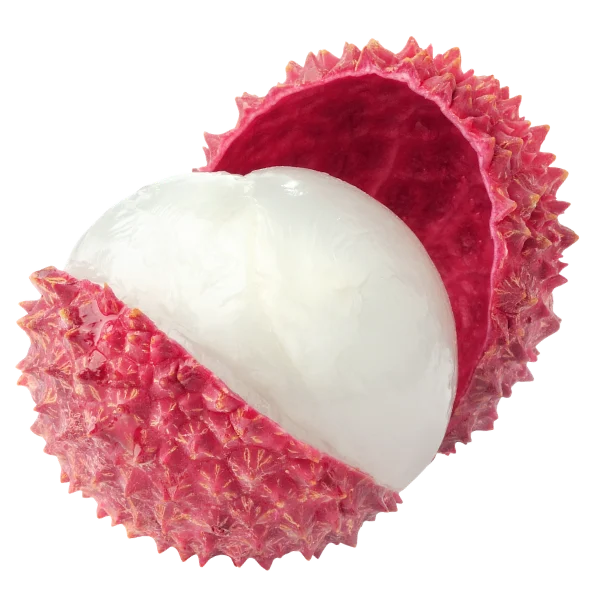
Is Lychee a trigger for histamine intolerance?
Lychee scores a 0 out of 3 on the SIGHI Food Compatibility List, placing it in the Safe category.
Lychee & Histamine, what the evidence says
Lychee carries a serious documented safety consideration that has nothing to do with histamine intolerance, although it is highly specific to a particular population and set of circumstances. Outbreaks of acute encephalopathy, a severe neurological illness associated with profound hypoglycemia, have occurred repeatedly among children in litchi-growing regions of India, particularly Muzaffarpur in Bihar. Some outbreaks have involved more than 100 deaths.
Investigations identified two naturally occurring compounds in litchi, hypoglycin A and methylenecyclopropylglycine (MCPG), that can disrupt the body's ability to use fatty acids for energy. When fatty acid oxidation is blocked, the body becomes more dependent on glucose and stored glycogen. In a well-nourished person who is eating normally, adequate glycogen reserves can help maintain blood glucose. In undernourished children with depleted glycogen stores, particularly after going without an evening meal, this metabolic disruption can lead to severe hypoglycemia and acute encephalopathy. In the 2014 case-control study, both litchi consumption and absence of an evening meal were independently associated with illness, while the combination produced the highest risk. Metabolites of hypoglycin A and MCPG were detected in urine from affected children, and laboratory findings showed severe disruption of fatty acid metabolism.
The important point is that this is not considered a typical risk from eating an ordinary serving of litchi while otherwise well nourished and eating regular meals. The documented outbreaks involved young children, particularly those who were undernourished and had skipped the previous evening's meal. The concentration of these toxins can also vary with the maturity of the fruit, with higher concentrations reported in less mature litchis.
There is still some scientific debate about exactly how much of the Muzaffarpur outbreaks can be attributed to litchi toxins alone. The strong epidemiological and metabolic evidence supports a role for hypoglycin A and MCPG, but other researchers have proposed that extreme heat and associated mitochondrial stress may also contribute to the illness. Studies have found a strong relationship between outbreak timing and extreme temperatures, and more recent reviews describe the condition as potentially involving a combination of metabolic and environmental factors. The relative contribution of each factor has therefore not been completely settled.
The practical concern is therefore very specific: children who are undernourished should not consume large amounts of litchi while fasting or skip an evening meal, particularly in regions where this illness has occurred. For a well-nourished person eating litchi as part of a normal meal pattern, the circumstances associated with these outbreaks are very different.
Separate from this safety issue, litchi's histamine content itself is generally considered low. The neurological and metabolic illness described above is a separate toxicological issue and is not related to dietary histamine.
Does preparation change the risk?
For lychee, the documented safety consideration applies to a specific population and circumstance rather than typical consumption. Histamine itself is a secondary consideration for this fruit.
| Form | Risk Level | Notes |
|---|---|---|
| Ripe lychee, well-nourished person, eaten with regular meals | Low | No established histamine concern; the documented safety issue does not apply to typical consumption in this context |
| Unripe lychee, in any amount | Moderate | Toxin concentrations are reported to be higher in less mature fruit |
| Large amounts, undernourished child, on an empty stomach or after skipping an evening meal | High | This is the specific circumstance associated with documented outbreaks of acute encephalopathy, unrelated to histamine |
Note: The higher-risk rows here reflect a documented toxicological and nutritional safety issue, not standardized histamine measurements. This is separate from histamine intolerance.
A food score is a reference, not a verdict.
Histamine intolerance is highly individual. A food that triggers symptoms in one person may be tolerated by another, even within the same category.
Strict elimination may help reduce symptoms initially, but long-term progress often depends on gradual reintroduction and pattern recognition. The goal is not to remove more foods over time, but to understand your personal tolerance and expand your diet when possible.
Tracking symptoms, portions, and context such as stress or timing can provide insights that generalized food lists cannot. This is where informed decisions replace fear-based restriction.
How to test your tolerance
 Know this is about a specific circumstance, not the fruit generally.
The documented outbreaks involved undernourished children eating litchi after skipping an evening meal, not typical consumption by well-nourished people.
 Don't let children skip meals around lychee season.
Ensuring an evening meal is eaten, especially for children in regions where this illness has occurred, is a key documented precaution.
- Ripe fruit is preferable to unripe.
Toxin concentrations have been reported to be higher in less mature lychees.
- Seek urgent medical care for sudden severe symptoms.
New seizures or altered consciousness in a child after eating lychee, especially without a recent meal, calls for immediate medical attention and blood glucose checks.
- This isn't a histamine tracking issue.
For MyHistaMap purposes, lychee is generally low in histamine. Its more serious documented consideration involves a completely separate toxicological mechanism.
 Normal servings for well-nourished adults aren't the documented concern.
This safety issue is specific to a vulnerable population and circumstance, not something that applies broadly to everyone eating lychee.
Common questions about Lychee and histamine
Is lychee dangerous?
For most people eating normal servings with regular meals, no. But there's a documented, serious risk specific to undernourished children who eat lychee, especially unripe fruit, after skipping an evening meal, which has caused outbreaks of severe illness and death in some regions.
Is lychee high in histamine?
No, lychee's histamine content is generally considered low. Its more serious documented safety consideration involves a completely different, toxicological mechanism unrelated to histamine.
What causes lychee-associated illness in children?
Naturally occurring compounds called hypoglycin A and MCPG can disrupt fatty acid metabolism, leading to severe hypoglycemia in children with low glycogen reserves, particularly after skipping an evening meal. Some researchers also suggest heat stress may contribute.
Should I avoid feeding my child lychee?
The documented risk is specific to undernourished children eating lychee, especially unripe fruit, without a recent meal. Ensuring regular meals, particularly in the evening, and choosing ripe fruit are the key documented precautions.
Some people find these options helpful





Supplements are optional tools, not a solution. Personal tracking and identifying your individual triggers remains the priority.
Where this information comes from
At MyHistaMap we curate information from peer reviewed research and recognized medical sources. This guide is a reference tool, not a medical prescription. Always track your own reactions and consult your healthcare provider.
References
- Shrivastava et al., Association of Acute Toxic Encephalopathy with Litchi Consumption in an Outbreak in Muzaffarpur, India, 2014: A Case-Control Study, The Lancet Global Health, 2017: found 390 patients admitted during the 2014 outbreak, of whom 122 (31%) died, with litchi consumption and absence of an evening meal both independently associated with illness, and hypoglycin A/MCPG metabolites detected in affected children's urine. The source for the outbreak statistics and case-control findings referenced on this page.
- Studies proposing extreme heat exposure and associated mitochondrial stress as a possible contributing factor in the Muzaffarpur outbreaks, alongside litchi toxins, describing the condition's etiology as not fully settled. The source for this page's note on ongoing scientific debate about the outbreaks' causes.
- SIGHI (Swiss Interest Group Histamine Intolerance) Food Compatibility List and related low-histamine diet resources: list lychee among fruits generally considered well tolerated. The source for lychee's histamine classification referenced on this page.