This content is for informational purposes only and does not constitute medical advice. Always consult a qualified healthcare provider before making dietary changes. Histamine tolerance is highly individual.
This information applies to histamine intolerance, DAO deficiency, and MCAS only. If you have a confirmed food allergy, this content does not apply to you. Food allergies involve the immune system and can be life-threatening. Please consult your allergist.
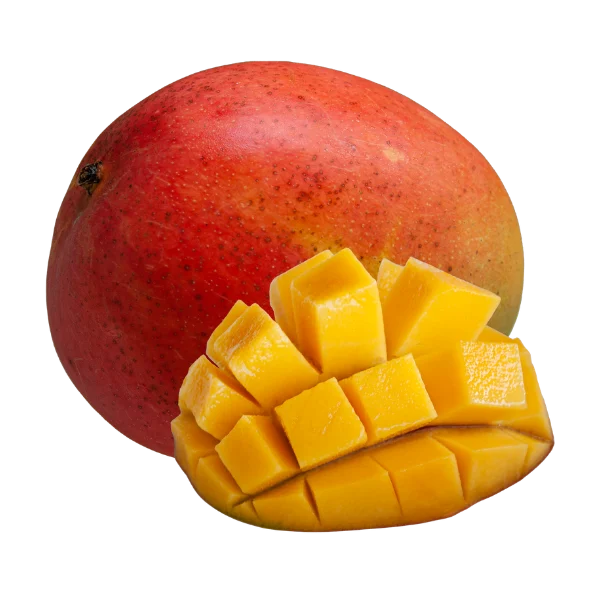
Is Mango a trigger for histamine intolerance?
Mango scores a 1 out of 3 on the SIGHI Food Compatibility List, placing it in the Low category. Some reference sources also suggest it may be a histamine liberator, though even the source itself describes this as unconfirmed or suspected.
Mango & Histamine, what the evidence says
Mango carries a distinctive contact dermatitis risk that has nothing to do with histamine intolerance or even with eating the fruit's flesh: mango peel, sap, and stems contain compounds related to urushiol, the substances responsible for poison ivy and poison oak rashes, since mango belongs to the same plant family, Anacardiaceae. People previously sensitized to poison ivy or poison oak can develop a delayed allergic skin reaction to mango, typically an itchy, blistering rash around the mouth and chin that appears 24 to 72 hours after handling or biting into unpeeled fruit.
This reaction is caused by contact with the peel and plant sap rather than by the edible flesh itself. Studies have found that a substantial proportion of people with known sensitivity to poison ivy also react to mango peel in patch testing. Because the compounds responsible are concentrated in the peel, sap, leaves, and stems, peeling mango before eating it and avoiding direct contact with the unpeeled fruit can greatly reduce the risk for people with this type of sensitivity.
This is separate from oral allergy syndrome, in which eating mango flesh can cause immediate itching or tingling in the mouth or throat in some people with pollen allergies. This involves cross-reactivity between specific proteins in the fruit and pollen allergens and is a different mechanism from the delayed skin reaction caused by contact with the peel.
Neither of these reactions is related to dietary histamine. Mango's histamine content itself is generally considered low, in line with many fresh, non-fermented fruits.
Does preparation change the risk?
For mango, peel contact and pollen allergy history are the main considerations, separate from histamine, which is generally low for this fruit.
| Form | Risk Level | Notes |
|---|---|---|
| Peeled mango flesh, no known allergy | Low | Generally low in histamine; peeling avoids the peel-contact dermatitis risk |
| Biting into unpeeled mango, history of poison ivy/oak sensitivity | High | This is a skin contact consideration, not a histamine one. Peel first to greatly reduce risk. |
| Mango flesh, known pollen allergy | Moderate | Oral allergy syndrome is possible in some people with pollen allergies; caution on first exposure is reasonable |
Note: The higher-risk rows here reflect documented contact dermatitis and allergy patterns, not standardized histamine measurements. These are separate from histamine intolerance.
A food score is a reference, not a verdict.
Histamine intolerance is highly individual. A food that triggers symptoms in one person may be tolerated by another, even within the same category.
Strict elimination may help reduce symptoms initially, but long-term progress often depends on gradual reintroduction and pattern recognition. The goal is not to remove more foods over time, but to understand your personal tolerance and expand your diet when possible.
Tracking symptoms, portions, and context such as stress or timing can provide insights that generalized food lists cannot. This is where informed decisions replace fear-based restriction.
How to test your tolerance
 Peel mango before eating it.
This greatly reduces the risk of contact dermatitis, especially if you have a history of poison ivy or poison oak sensitivity.
 Avoid direct skin contact with the peel and sap if sensitized.
If you've reacted to mango peel before, consider having someone else peel it or use gloves.
 Know the delayed timeline.
Mango peel contact dermatitis can take 24 to 72 hours to appear, so it's easy to miss the connection to mango if you're not aware of it.
- Be cautious on first exposure if you have pollen allergies.
Oral allergy syndrome from mango flesh is a different, separate mechanism from the peel-contact reaction.
- See a doctor for a persistent or severe rash.
A blistering rash around the mouth after eating mango, especially if you have a poison ivy history, is worth having evaluated rather than assumed to be a food reaction.
 This isn't a histamine tracking issue.
For MyHistaMap purposes, mango is generally low in histamine. Its more distinctive considerations are unrelated to histamine.
Common questions about Mango and histamine
Is mango high in histamine?
No. Mango's histamine content is generally considered low, in line with most fresh, non-fermented fruit.
Why does mango sometimes cause a rash around my mouth?
This is likely contact dermatitis from urushiol-related compounds in mango peel and sap, especially if you have a history of poison ivy or poison oak sensitivity. It's caused by skin contact with the peel, not by eating the flesh, and it's unrelated to histamine.
Does peeling mango prevent all reactions?
It greatly reduces the risk of peel-contact dermatitis, since the compounds responsible are concentrated in the peel, sap, leaves, and stems. It doesn't address oral allergy syndrome, a separate mechanism involving the flesh in people with certain pollen allergies.
Is mango allergy the same as histamine intolerance?
No. Mango's contact dermatitis and oral allergy syndrome are both immune-related reactions to specific compounds or proteins, completely different from histamine intolerance, which involves the body's ability to process dietary histamine.
Some people find these options helpful





Supplements are optional tools, not a solution. Personal tracking and identifying your individual triggers remains the priority.
Where this information comes from
At MyHistaMap we curate information from peer reviewed research and recognized medical sources. This guide is a reference tool, not a medical prescription. Always track your own reactions and consult your healthcare provider.
References
- Yoo & Carius, Mango Dermatitis After Urushiol Sensitization, Clinical Practice and Cases in Emergency Medicine, 2019: describes cross-sensitization between urushiol and mango peel compounds as a type IV hypersensitivity response, with mango pickers showing more severe rashes when previously exposed to poison ivy or oak. The source for the mechanism and case example referenced on this page.
- Exploring the Mango-Poison Ivy Connection: The Riddle of Discriminative Plant Dermatitis, Journal of the American Academy of Dermatology, 2005: describes 17 patients who developed dermatitis after mango picking, all with prior poison ivy/oak contact or residence in endemic areas. A related 1998 patch-test study found a substantial proportion of poison-ivy-sensitive volunteers reacted to mango peel extract. The source for the patch-test and case findings referenced on this page.
- Contact Allergy Induced by Mango (Mangifera indica): A Relevant Topic?, Medicina, 2021: reviews 37 documented cases of mango contact dermatitis and describes oral allergy syndrome from mango flesh as a separate mechanism involving cross-reactivity with pollen allergens. The source for the distinction between peel-contact dermatitis and oral allergy syndrome referenced on this page.