This content is for informational purposes only and does not constitute medical advice. Always consult a qualified healthcare provider before making dietary changes. Histamine tolerance is highly individual.
This information applies to histamine intolerance, DAO deficiency, and MCAS only. If you have a confirmed food allergy, this content does not apply to you. Food allergies involve the immune system and can be life-threatening. Please consult your allergist.
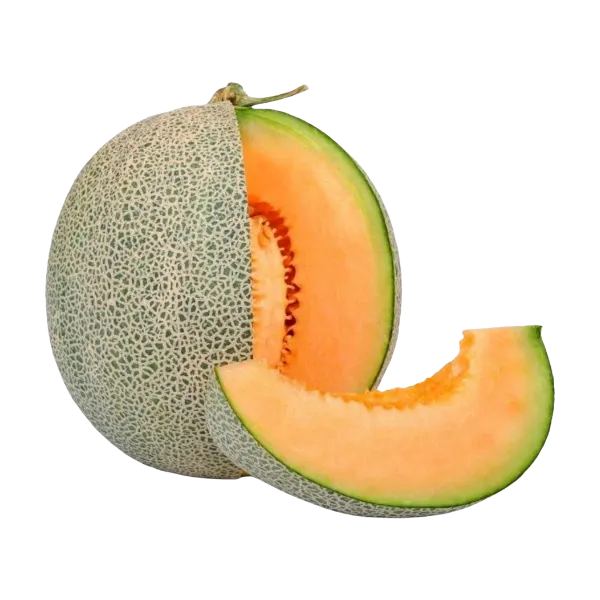
Is Melon (except watermelon) a trigger for histamine intolerance?
Melon (except watermelon) scores a 0 out of 3 on the SIGHI Food Compatibility List, placing it in the Safe category. Some reference sources also suggest it may be a histamine liberator, though even the source itself describes this as unconfirmed or suspected.
Melon (except watermelon) & Histamine, what the evidence says
Melon carries a well-documented food safety concern that has nothing to do with histamine intolerance. Cantaloupe and other netted melons have rough, porous rinds that can provide more opportunities for bacteria to attach and survive than smoother fruit surfaces. When a contaminated melon is cut, bacteria on the rind can be transferred directly to the edible flesh by the knife. The FDA specifically identifies the netted rind of cantaloupe as a characteristic that makes it particularly susceptible to bacterial attachment and growth.
This isn't a theoretical concern. A 2011 outbreak linked to whole cantaloupes from Jensen Farms in Colorado caused 147 confirmed illnesses across 28 states, with 143 people hospitalized and 33 deaths. One pregnant woman also suffered a miscarriage. The CDC described it as the largest number of deaths from a U.S. foodborne outbreak since a listeriosis outbreak in 1998. Investigators found Listeria monocytogenes in cantaloupes and in the farm's packing environment, and the outbreak was associated with problems in the handling, washing, and cooling of the fruit.
The 2011 outbreak was not the only reason cantaloupe receives particular attention in food-safety guidance. The FDA notes that cantaloupes have been associated with outbreaks involving both Salmonella and Listeria monocytogenes, and that their netted rind, moisture, temperature, and handling conditions can all influence pathogen survival and growth. The fruit is normally eaten without a cooking step that would eliminate bacteria, making proper handling particularly important.
Because contamination can be present on the rind even when the flesh looks perfectly normal, the FDA recommends washing melons under running water and scrubbing firm produce such as melons with a clean produce brush before cutting. Washing does not eliminate all bacteria, but it can reduce contamination on the surface and helps prevent bacteria from being transferred from the rind to the flesh during cutting. Cut melon should be refrigerated promptly and should not be left at room temperature for more than two hours. These precautions are especially important for pregnant women, older adults, and people with weakened immune systems, who are at greater risk of severe listeriosis.
Separately, melon can cause oral allergy syndrome in some people with pollen allergies. In ragweed-allergic individuals, research has found an association between melon-induced oral symptoms and sensitization to profilin, a plant protein involved in cross-reactivity between different pollens and plant foods. Symptoms can include immediate itching or tingling of the mouth and throat after eating fresh melon. This is an immune-mediated food reaction and is completely separate from both the Listeria risk and histamine intolerance.
None of this is related to dietary histamine. Melon's histamine content itself is generally considered low, while its more important food-safety consideration is how the fruit is handled, cut, stored, and consumed.
Does preparation change the risk?
For melon, handling and storage are the main documented safety considerations, separate from histamine, which is generally low for this fruit.
| Form | Risk Level | Notes |
|---|---|---|
| Whole melon, washed and scrubbed before cutting | Low | Reduces surface contamination before it can be transferred to the flesh during cutting |
| Cut melon, refrigerated promptly | Low | Standard food safety guidance; use within a few days |
| Cut melon left at room temperature more than 2 hours | High | This is a bacterial growth consideration, not a histamine one, especially for pregnant women, older adults, or those with weakened immunity |
| Whole melon, not washed before cutting | Moderate | Surface bacteria on the rind can be transferred to the flesh by the knife |
Note: The higher-risk rows here reflect documented food safety guidance, not standardized histamine measurements. This is separate from histamine intolerance.
A food score is a reference, not a verdict.
Histamine intolerance is highly individual. A food that triggers symptoms in one person may be tolerated by another, even within the same category.
Strict elimination may help reduce symptoms initially, but long-term progress often depends on gradual reintroduction and pattern recognition. The goal is not to remove more foods over time, but to understand your personal tolerance and expand your diet when possible.
Tracking symptoms, portions, and context such as stress or timing can provide insights that generalized food lists cannot. This is where informed decisions replace fear-based restriction.
How to test your tolerance
 Wash and scrub the rind before cutting.
Use a clean produce brush under running water, even if you don't plan to eat the rind, since bacteria on the surface can transfer to the flesh when you cut it.
 Refrigerate cut melon promptly.
Don't leave cut melon at room temperature for more than about two hours.
 Take extra care if you're pregnant or immunocompromised.
Pregnant women, older adults, and people with weakened immune systems face substantially higher risk of severe illness from Listeria specifically.
- Clean your knife and cutting board.
Since contamination can transfer from rind to flesh during cutting, a clean knife and surface matter as much as washing the melon itself.
- Be cautious on first exposure if you have ragweed allergy.
Oral allergy syndrome from melon, linked to a protein called profilin, is a separate, immune-mediated reaction unrelated to histamine or the Listeria risk.
 This isn't a histamine tracking issue.
For MyHistaMap purposes, melon is generally low in histamine. Its more important consideration is food safety handling.
Common questions about Melon (except watermelon) and histamine
Is melon high in histamine?
No, melon's histamine content is generally considered low. Its more important consideration is food safety around handling and storage.
Why is cantaloupe considered a food safety risk?
Its rough, netted rind can harbor bacteria like Listeria and Salmonella more easily than smooth-skinned fruit, and cutting into it can transfer that contamination to the edible flesh. A major 2011 outbreak linked to cantaloupe caused 147 illnesses and 33 deaths in the US.
How should I safely prepare melon?
Wash and scrub the rind under running water before cutting, refrigerate cut melon promptly, and don't leave it at room temperature for more than about two hours.
Can melon cause an allergic reaction?
Some people with ragweed pollen allergy experience oral allergy syndrome from melon, involving mouth or throat itching, linked to a protein called profilin. This is a separate, immune-mediated reaction, unrelated to histamine.
Some people find these options helpful





Supplements are optional tools, not a solution. Personal tracking and identifying your individual triggers remains the priority.

Where this information comes from
At MyHistaMap we curate information from peer reviewed research and recognized medical sources. This guide is a reference tool, not a medical prescription. Always track your own reactions and consult your healthcare provider.
References
- Multistate Outbreak of Listeriosis Associated with Cantaloupe, New England Journal of Medicine, 2013: reports 147 outbreak-related cases in 28 states, 143 of 145 patients with available data hospitalized, and 33 deaths, along with one miscarriage among pregnancy-associated cases. The source for the outbreak statistics referenced on this page.
- FDA, Commodity Specific Food Safety Guidelines for Cantaloupes and Netted Melons: identifies the netted rind as a characteristic that promotes bacterial attachment and growth, and notes cantaloupe's association with both Salmonella and Listeria monocytogenes outbreaks. The source for the rind mechanism and outbreak pattern referenced on this page.
- FDA, Selecting and Serving Produce Safely: recommends washing and scrubbing firm produce like melons under running water before cutting, refrigerating cut produce promptly, and not leaving it at room temperature for more than two hours. The source for the food safety guidance referenced on this page.
- Research on oral allergy syndrome in ragweed-allergic patients has found an association between melon-induced oral symptoms and sensitization to profilin, a cross-reactive plant panallergen. The source for the oral allergy syndrome mechanism referenced on this page.