This content is for informational purposes only and does not constitute medical advice. Always consult a qualified healthcare provider before making dietary changes. Histamine tolerance is highly individual.
This information applies to histamine intolerance, DAO deficiency, and MCAS only. If you have a confirmed food allergy, this content does not apply to you. Food allergies involve the immune system and can be life-threatening. Please consult your allergist.
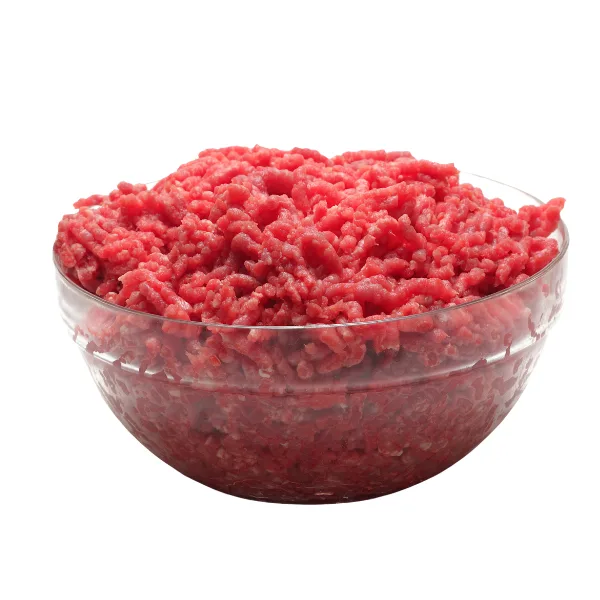
Is Minced meat (fresh) a trigger for histamine intolerance?
Minced meat (fresh) scores a 0 out of 3 on the SIGHI Food Compatibility List, placing it in the Safe category.
Minced meat (fresh) & Histamine, what the evidence says
Ground meat is more delicate than a whole cut because grinding multiplies the surface area exposed to air and bacteria at once. A steak has bacteria mostly on its outer surface, but grinding mixes that surface into every part of the meat, giving bacteria far more contact points to act on throughout, not just at the edges.
This is why fresh ground meat, eaten right away, needs a shorter window than a whole cut of the same freshness. Research measuring biogenic amines in minced beef during refrigerated storage found histamine, putrescine, and other amines already present on the first day, climbing measurably by the second day, though individual amine levels stayed well below toxic thresholds throughout the storage period studied.
Reference sources draw a sharp line here: meat ground and eaten right away is generally considered compatible, while the same meat that has been ground in advance and then stored for longer periods is rated as poorly tolerated. Whether it is kept refrigerated or frozen, the key factor is how much time passes after grinding. Refrigeration slows bacterial growth but does not stop it, while freezing effectively stops further bacterial growth and therefore limits additional histamine formation.
Does preparation change the risk?
How much time has passed since grinding, and whether that time was spent refrigerated or frozen, is what determines fresh ground meat's histamine risk.
| Form | Risk Level | Notes |
|---|---|---|
| Ground immediately before cooking | Low | Least time for bacteria to act since grinding |
| Ground and frozen promptly | Low | Freezing effectively stops further bacterial growth |
| Ground and refrigerated a few hours to a day | Moderate | Refrigeration slows bacterial growth but does not stop it |
| Ground and refrigerated multiple days | High | More time for the same bacterial growth to continue |
Note: Risk levels are based on clinical observations and patient reports, not standardized histamine measurements. Individual tolerance varies.
A food score is a reference, not a verdict.
Histamine intolerance is highly individual. A food that triggers symptoms in one person may be tolerated by another, even within the same category.
Strict elimination may help reduce symptoms initially, but long-term progress often depends on gradual reintroduction and pattern recognition. The goal is not to remove more foods over time, but to understand your personal tolerance and expand your diet when possible.
Tracking symptoms, portions, and context such as stress or timing can provide insights that generalized food lists cannot. This is where informed decisions replace fear-based restriction.
How to test your tolerance
 Grind or buy meat ground right before cooking, when possible.
This gives bacteria the least amount of time to act since grinding.
 Freeze promptly if not cooking immediately.
Freezing effectively stops further bacterial growth, while refrigeration only slows it down.
 Keep any refrigeration window short.
A few hours to a day is a reasonable limit before bacterial growth becomes more of a concern.
 Cook ground meat thoroughly and promptly.
Cooking doesn't remove histamine that's already formed, but prompt cooking limits how much time bacteria have to act.
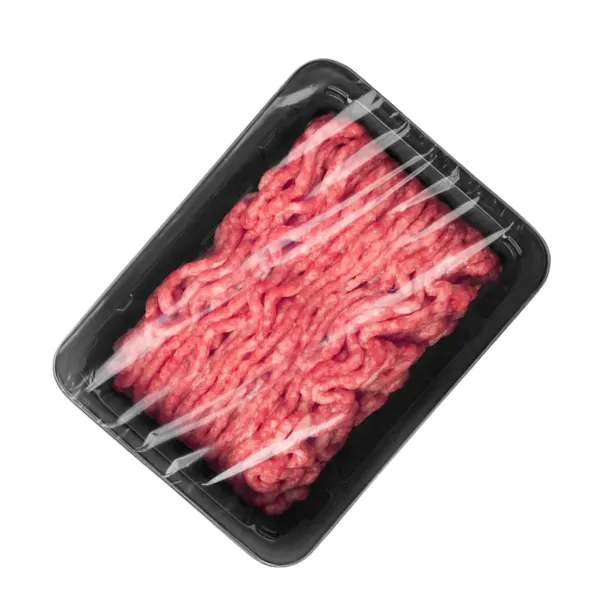
 Be cautious with pre-packaged or open-sale ground meat.
Reference sources rate this differently from meat ground and eaten right away, since the grinding time is unknown.
 Track the time between grinding and cooking in MyHistaMap.
This is the single most relevant detail to log for ground meat specifically.
Common questions about Minced meat (fresh) and histamine
Why is ground meat riskier than a whole cut, even when fresh?
Grinding mixes the meat's outer surface, where bacteria live, throughout the entire batch instead of leaving it just on the outside like a steak. This gives bacteria far more contact points to act on.
Does freezing fresh ground meat stop histamine from forming?
Freezing effectively stops further bacterial growth, which limits additional histamine formation. It doesn't remove any that already formed, but it prevents more from building up.
Is refrigerating ground meat safe?
A short refrigeration window is generally fine, since the key factor is how much time has passed since grinding. Refrigeration slows bacterial growth but doesn't stop it the way freezing does.
Is all ground meat treated the same?
No. Reference sources draw a sharp line between meat ground and eaten right away, and meat that's been ground in advance and stored, even for open sale or packaging.
Some people find these options helpful





Supplements are optional tools, not a solution. Personal tracking and identifying your individual triggers remains the priority.
Where this information comes from
At MyHistaMap we curate information from peer reviewed research and recognized medical sources. This guide is a reference tool, not a medical prescription. Always track your own reactions and consult your healthcare provider.
References
- Mahmoud et al., Reduction of Biogenic Amines Production in Chilled Minced Meat Using Antimicrobial Seasonings, Journal of Microbiology, Biotechnology and Food Sciences, 2021: measured biogenic amines in unseasoned minced beef during chilled storage at 3±1°C over four days, finding histamine, putrescine, and other amines already present on day one and climbing significantly by day two, while individual amine levels stayed below toxic thresholds throughout the study. The source for this page's note on how quickly amine levels start to rise after grinding.
- SIGHI (Swiss Interest Group Histamine Intolerance) Food Compatibility List: rates minced meat eaten immediately after production as compatible, in contrast to minced meat from open sale or pre-packaged, rated as strongly dependent on freshness and generally poorly tolerated. The source for this page's distinction between freshly ground and packaged minced meat.