This content is for informational purposes only and does not constitute medical advice. Always consult a qualified healthcare provider before making dietary changes. Histamine tolerance is highly individual.
This information applies to histamine intolerance, DAO deficiency, and MCAS only. If you have a confirmed food allergy, this content does not apply to you. Food allergies involve the immune system and can be life-threatening. Please consult your allergist.
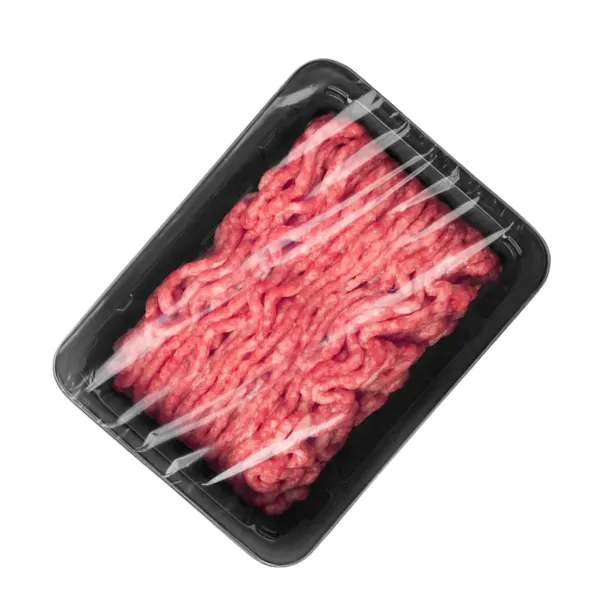
Is Minced meat (pre-packed or open sale) a trigger for histamine intolerance?
Minced meat (pre-packed or open sale) scores a 2 out of 3 on the SIGHI Food Compatibility List, placing it in the Moderate category.
Minced meat (pre-packed or open sale) & Histamine, what the evidence says
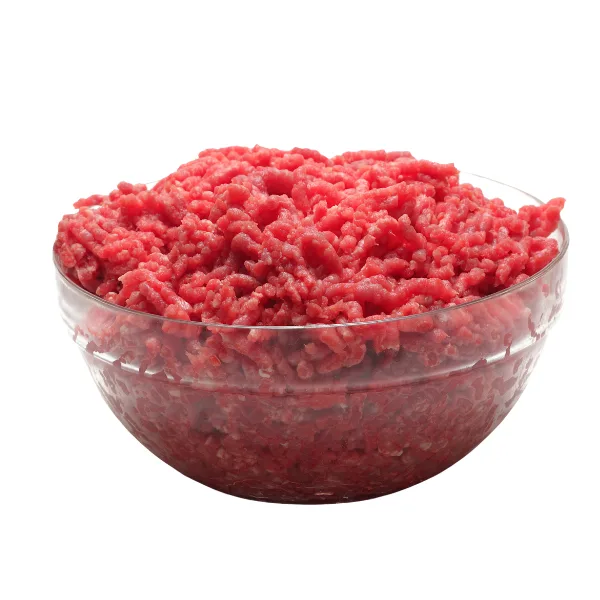
Packaged or open-sale minced meat is treated very differently from meat ground and eaten right away, even when it started from the same cut. Reference sources rate it as poorly tolerated, a sharp contrast to freshly ground meat, mainly because the exact time since grinding is unknown, and that gap is exactly what matters most for how much histamine has had a chance to form.
Research measuring biogenic amines in minced beef during refrigerated storage found levels climbing measurably within the first day or two, with histamine, putrescine, and cadaverine all increasing significantly as storage time passed, and studies comparing bacterial counts across meat products have consistently found minced beef carrying a higher bacterial load than whole cuts or other processed forms like chicken fillet. Packaged minced meat has typically already spent some of that time before it ever reaches a shopping cart.
Separately, some packaged ground meats contain rosemary extract, a natural antioxidant used to slow oxidation and help preserve the quality and color of meat during storage. Rosemary carries meaningful salicylate content, so this is worth knowing for anyone sensitive to salicylates specifically, even though it's unrelated to histamine intolerance.
Does preparation change the risk?
Unknown time since grinding is what separates packaged minced meat from the freshly ground version, regardless of how it's labeled.
| Form | Risk Level | Notes |
|---|---|---|
| Pre-packaged minced meat, recent sell-by date | Moderate | Still carries the unknown-grinding-time consideration, even if recently packaged |
| Pre-packaged minced meat, closer to sell-by date | High | More time has likely passed since grinding |
| Open-sale minced meat from a display case | High | Reference sources rate this as poorly tolerated; grinding time is not verifiable |
| Packaged minced meat with rosemary extract listed | Moderate | A separate salicylate consideration, unrelated to histamine |
Note: Risk levels are based on clinical observations and patient reports, not standardized histamine measurements. Individual tolerance varies.
A food score is a reference, not a verdict.
Histamine intolerance is highly individual. A food that triggers symptoms in one person may be tolerated by another, even within the same category.
Strict elimination may help reduce symptoms initially, but long-term progress often depends on gradual reintroduction and pattern recognition. The goal is not to remove more foods over time, but to understand your personal tolerance and expand your diet when possible.
Tracking symptoms, portions, and context such as stress or timing can provide insights that generalized food lists cannot. This is where informed decisions replace fear-based restriction.
How to test your tolerance
 Check the sell-by date, and buy as close to the packaging date as possible.
This is the closest available clue to how long it's been since the meat was ground.
 Consider asking a butcher to grind it fresh instead.
This removes the unknown-time factor that makes packaged minced meat harder to predict.
 Check the ingredient list for rosemary extract if salicylates are a concern.
It's a separate consideration from histamine, relevant specifically for salicylate sensitivity.
 Cook or freeze packaged minced meat as soon as possible after buying it.
You can't know how much time has already passed since grinding, so minimizing additional time helps.
 Be extra cautious with open-sale minced meat from a display case.
There's no way to verify how long it's actually been since grinding.
 Track brand and sell-by date in MyHistaMap.
Since grinding time isn't visible, logging what information is available helps identify patterns over time.
Common questions about Minced meat (pre-packed or open sale) and histamine
Why is packaged minced meat treated differently from fresh ground meat?
The main issue is that the exact time since grinding is unknown. That gap matters more than almost anything else for how much histamine has had a chance to form.
Is minced meat from a butcher's display case safer than pre-packaged?
Not necessarily. Reference sources rate open-sale minced meat as poorly tolerated too, since the grinding time still isn't verifiable in either case.
Why does rosemary extract show up in packaged ground meat?
It's a natural antioxidant used to slow oxidation and help preserve the quality and color of meat during storage. It's unrelated to histamine, but relevant for anyone sensitive to salicylates specifically.
Can I make packaged minced meat safer by cooking it well?
Cooking doesn't remove histamine that has already formed, since histamine is heat-stable. The time since grinding is what matters most, not the cooking method.
Some people find these options helpful





Supplements are optional tools, not a solution. Personal tracking and identifying your individual triggers remains the priority.
Where this information comes from
At MyHistaMap we curate information from peer reviewed research and recognized medical sources. This guide is a reference tool, not a medical prescription. Always track your own reactions and consult your healthcare provider.
References
- SIGHI (Swiss Interest Group Histamine Intolerance) Food Compatibility List: rates minced meat from open sale or pre-packaged as strongly dependent on freshness and generally poorly tolerated, in contrast to minced meat eaten immediately after production. The source for this page's central distinction.
- Mahmoud et al., Reduction of Biogenic Amines Production in Chilled Minced Meat Using Antimicrobial Seasonings, Journal of Microbiology, Biotechnology and Food Sciences, 2021: measured biogenic amines in unseasoned minced beef during chilled storage at 3±1°C over four days, finding histamine, putrescine, and cadaverine all increasing significantly as storage time passed, with measurable rises appearing within the first one to two days. The source for this page's note on how quickly amine levels change during storage.
- Elbarbary et al., Biogenic Amines as a Quality Marker in Beef and Chicken Products, Egyptian Journal of Veterinary Sciences, 2024: found total aerobic count higher in minced beef and beef kofta, with beef sausage and minced meat carrying the greatest Enterobacteria count, while chilled chicken fillet and chicken burger had the lowest counts. The source for this page's comparison between minced meat and whole cuts.
- Effects of Encapsulated Rosemary Extract on Oxidative and Microbiological Stability of Beef Meat During Refrigerated Storage: confirms rosemary extract is used as a natural antioxidant and preservative in beef and ground meat products to slow lipid oxidation and extend shelf life during storage. The source for this page's rosemary extract and salicylate note.