This content is for informational purposes only and does not constitute medical advice. Always consult a qualified healthcare provider before making dietary changes. Histamine tolerance is highly individual.
This information applies to histamine intolerance, DAO deficiency, and MCAS only. If you have a confirmed food allergy, this content does not apply to you. Food allergies involve the immune system and can be life-threatening. Please consult your allergist.
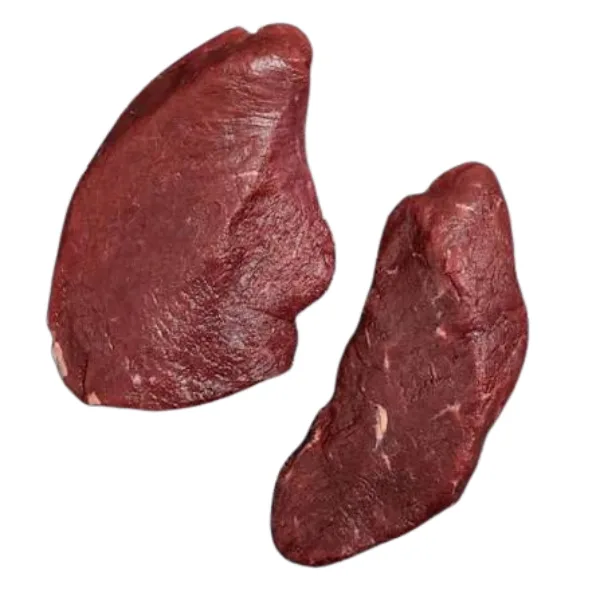
Is Ostrich a trigger for histamine intolerance?
Ostrich scores a 0 out of 3 on the SIGHI Food Compatibility List, placing it in the Safe category.
Ostrich & Histamine, what the evidence says
Ostrich is technically poultry, but its meat behaves more like beef in some ways, including having a naturally higher pH than many other meats. This higher pH can make the meat more favorable to bacterial growth, which matters for histamine because bacteria can convert histidine into histamine as the meat ages or is stored.
This means the freshness chain matters particularly for ostrich. The same handling principles apply: cold storage, quick cooking, or prompt freezing. The less time bacteria have to multiply before the meat is cooked or frozen, the less opportunity there is for histamine to accumulate.
Does preparation change the risk?
Ostrich meat's naturally higher pH makes the same freshness principles that apply to other meats even more important here.
| Form | Risk Level | Notes |
|---|---|---|
| Fresh / Flash-frozen ostrich | Low | Lowest histamine option if kept cold and cooked or frozen promptly |
| Ground ostrich | Moderate | More surface area leads to faster histamine buildup, similar to other ground meats |
| Ostrich refrigerated for an extended period | High | The naturally higher pH gives bacteria a more favorable environment over time |
| Ostrich left at room temperature | High | The freshness window is narrower here than for many other fresh meats |
Note: Risk levels are based on clinical observations and patient reports, not standardized histamine measurements. Individual tolerance varies.
A food score is a reference, not a verdict.
Histamine intolerance is highly individual. A food that triggers symptoms in one person may be tolerated by another, even within the same category.
Strict elimination may help reduce symptoms initially, but long-term progress often depends on gradual reintroduction and pattern recognition. The goal is not to remove more foods over time, but to understand your personal tolerance and expand your diet when possible.
Tracking symptoms, portions, and context such as stress or timing can provide insights that generalized food lists cannot. This is where informed decisions replace fear-based restriction.
How to test your tolerance
 Buy flash-frozen when possible.
Suppliers that freeze ostrich shortly after processing limit the time available for bacterial growth.
- Keep it consistently cold.
Ostrich meat's naturally higher pH makes it more favorable to bacterial growth, so cold storage matters even more here.
 Cook or freeze promptly rather than storing it for long.
The narrower freshness window for ostrich means less room for delay than with many other meats.
- Freeze leftovers right away.
This limits further bacterial activity once the meat has been cooked.
 Ask about processing and freezing time when buying.
Given ostrich's faster spoilage potential, this detail matters more than it might for other meats.
 Track your response in MyHistaMap.
Log freshness and handling to identify which practices work best for your personal tolerance.
Common questions about Ostrich and histamine
Why does ostrich need more careful handling than other meats?
Ostrich meat has a naturally higher pH than many other meats, which can make it more favorable to bacterial growth. That matters for histamine because bacteria are what convert histidine into histamine as meat ages.
Is ostrich a red meat or a white meat?
Ostrich is technically poultry, but its meat is red and behaves more like beef in several ways, including its higher pH and lower fat content compared to most other poultry.
Does cooking ostrich reduce its histamine content?
No. Histamine is heat-stable, so cooking doesn't reduce what has already formed. Prompt handling before cooking is what matters most.
Is ground ostrich riskier than a whole cut?
Yes, for the same reason ground meat is generally riskier than a whole cut: more surface area is exposed to bacteria, so histamine can build up faster.
Some people find these options helpful





Supplements are optional tools, not a solution. Personal tracking and identifying your individual triggers remains the priority.
Where this information comes from
At MyHistaMap we curate information from peer reviewed research and recognized medical sources. This guide is a reference tool, not a medical prescription. Always track your own reactions and consult your healthcare provider.
References
- Cavalheiro et al., Colorimetric and Sensory Characteristics of Fermented Cured Sausage with Brazilian Ostrich Meat Addition, Ciência e Tecnologia de Alimentos: describes ostrich meat as characterized by high pH and high pigment content, and notes this meat is highly perishable due to its high pH. The source for this page's central point about ostrich's naturally higher pH and its link to perishability.
- Dóra Brassó and Komlósi, Studies on Ostrich (Struthio camelus) Meat: A Review, Ciencias Agropecuarias, 2022: reports ostrich meat's post-mortem pH at 24 hours as moderately acidic, between 5.8 and 6.2, compared with beef's typically lower pH. The source for this page's specific pH figures.