This content is for informational purposes only and does not constitute medical advice. Always consult a qualified healthcare provider before making dietary changes. Histamine tolerance is highly individual.
This information applies to histamine intolerance, DAO deficiency, and MCAS only. If you have a confirmed food allergy, this content does not apply to you. Food allergies involve the immune system and can be life-threatening. Please consult your allergist.
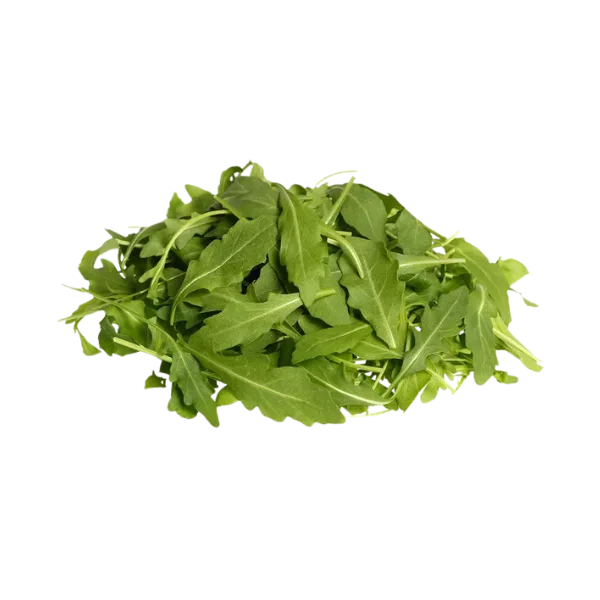
Is Perennial wall-rocket a trigger for histamine intolerance?
Perennial wall-rocket scores a 2 out of 3 on the SIGHI Food Compatibility List, placing it in the Moderate category. It is also classified on some reference lists as a potential histamine liberator. This reflects the reference list's classification rather than a confirmed mast-cell mechanism, since research specifically testing this hasn't provided strong support for it.
Perennial wall-rocket & Histamine, what the evidence says
Perennial wall-rocket is noted as a potential histamine liberator, meaning it may trigger histamine release in the body beyond its direct content. This is the main consideration relevant to histamine intolerance.
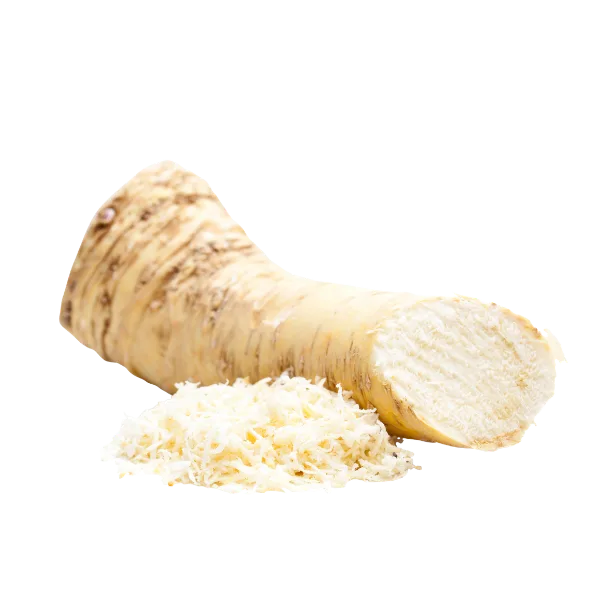
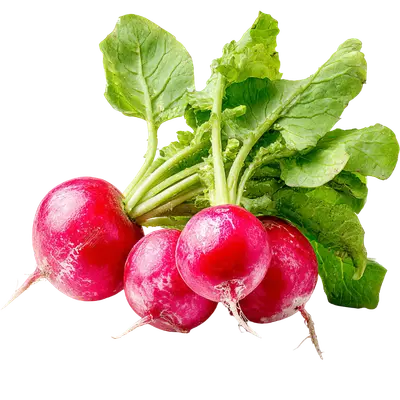
Botanically, wall-rocket (genus Diplotaxis) is related to garden rocket, or arugula (Eruca sativa), and shares much of the same glucosinolate chemistry responsible for its distinctive peppery, slightly bitter flavor. When the leaf tissue is damaged by chewing or chopping, these compounds break down into isothiocyanates, the same broad chemical family behind broccoli's sulforaphane, radish's raphasatin, and horseradish's AITC, though wall-rocket's specific compounds differ in structure. This is a consistent pattern across many pungent Brassicaceae vegetables: a stable precursor remains separate from the enzyme that activates it until physical damage brings the two together.
Does preparation change the risk?
Perennial wall-rocket's histamine consideration is the main variable to track.
| Form | Risk Level | Notes |
|---|---|---|
| Small amount, raw (salad) | Moderate | Baseline consideration given the liberator note |
| Larger salad portion | Moderate | Same consideration; larger amounts warrant more attention given the liberator effect |
| Cooked / wilted | Moderate | Same underlying consideration; cooking mellows the peppery flavor |
Note: Risk levels are based on clinical observations and patient reports, not standardized histamine measurements. Individual tolerance varies.
A food score is a reference, not a verdict.
Histamine intolerance is highly individual. A food that triggers symptoms in one person may be tolerated by another, even within the same category.
Strict elimination may help reduce symptoms initially, but long-term progress often depends on gradual reintroduction and pattern recognition. The goal is not to remove more foods over time, but to understand your personal tolerance and expand your diet when possible.
Tracking symptoms, portions, and context such as stress or timing can provide insights that generalized food lists cannot. This is where informed decisions replace fear-based restriction.
How to test your tolerance
 Consider the liberator effect.
Perennial wall-rocket is noted as a potential histamine liberator, worth tracking alongside its direct histamine content.
 Related to garden rocket (arugula), not identical.
Wall-rocket and garden rocket share similar glucosinolate chemistry and a similar peppery flavor, though they're different genera within the same plant family.
 Start with a smaller amount.
Given the liberator note, a modest first trial helps you gauge your own response.
 Track your response.
Log the amount and any symptoms using the MyHistaMap app, given the liberator effect.
Common questions about Perennial wall-rocket and histamine
Is perennial wall-rocket high in histamine?
It's noted as a potential histamine liberator, meaning it may trigger histamine release beyond its direct content, worth tracking alongside your personal tolerance for this food.
What gives wall-rocket its peppery flavor?
Glucosinolate compounds that break down into isothiocyanates when the leaf is damaged, the same general chemical family responsible for the pungency of broccoli, radish, and horseradish, though the specific compounds differ.
Is wall-rocket the same as arugula?
They're closely related but not identical - wall-rocket belongs to the genus Diplotaxis, while garden rocket (arugula) is Eruca sativa. Both share similar glucosinolate chemistry and flavor profiles.
Does cooking reduce the liberator effect?
Cooking mellows the peppery flavor, but the liberator consideration is a separate factor from the pungency-forming compounds and isn't necessarily eliminated by cooking.
Some people find these options helpful

Supplements are optional tools, not a solution. Personal tracking and identifying your individual triggers remains the priority.

Where this information comes from
At MyHistaMap we curate information from peer reviewed research and recognized medical sources. This guide is a reference tool, not a medical prescription. Always track your own reactions and consult your healthcare provider.
References
- SIGHI (Swiss Interest Group Histamine Intolerance) Food Compatibility List, version 2024-08-29: rates perennial wall-rocket (Diplotaxis tenuifolia) 2 and marks it with an "L" designation, meaning it's classified specifically as a histamine liberator rather than as rich in histamine itself. This is the source for the liberator classification used on this page.
- Ressurreição, Salgueiro & Figueirinha, Diplotaxis Genus: A Promising Source of Compounds with Nutritional and Biological Properties, Molecules, 2024: confirms glucosinolate compounds have been identified across species in the Diplotaxis genus, including perennial wall-rocket, supporting the glucosinolate chemistry described on this page.