This content is for informational purposes only and does not constitute medical advice. Always consult a qualified healthcare provider before making dietary changes. Histamine tolerance is highly individual.
This information applies to histamine intolerance, DAO deficiency, and MCAS only. If you have a confirmed food allergy, this content does not apply to you. Food allergies involve the immune system and can be life-threatening. Please consult your allergist.
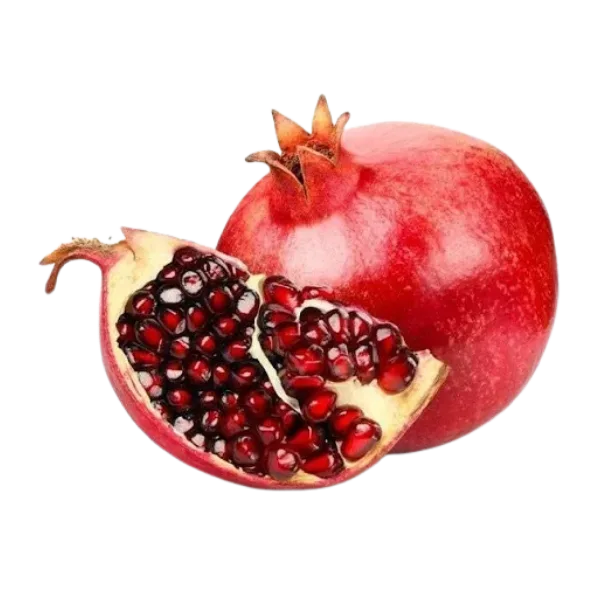
Is Pomegranate a trigger for histamine intolerance?
Pomegranate scores a 0 out of 3 on the SIGHI Food Compatibility List, placing it in the Safe category.
Pomegranate & Histamine, what the evidence says
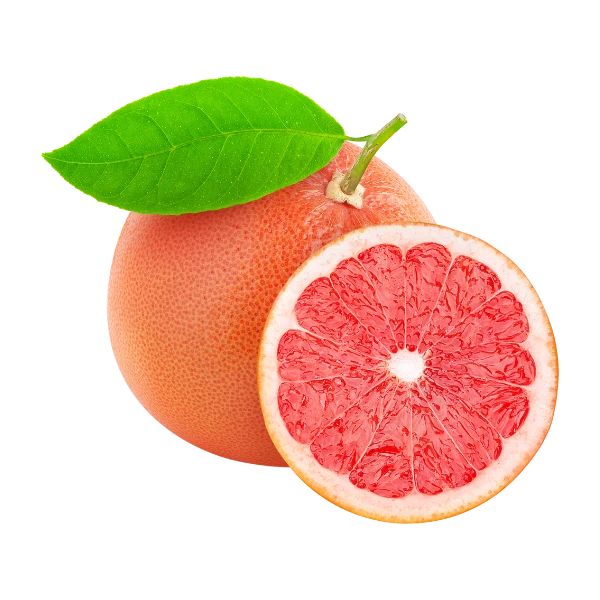
Pomegranate carries a possible medication-interaction consideration that is somewhat similar in principle to grapefruit, but the evidence is much weaker and less consistent. Laboratory studies have found that pomegranate juice can inhibit cytochrome P450 enzymes, including CYP3A4 and CYP2C9, which are involved in the metabolism of many medications. However, these laboratory findings have not consistently translated into clinically significant interactions in human studies.
Warfarin is the medication for which the concern has received the most attention. Published case reports have described changes in INR in people taking warfarin who were also consuming pomegranate juice regularly. These reports are consistent with a possible interaction, but they do not prove that pomegranate caused the change. In the reported cases, other factors could not be completely excluded, and controlled studies have not established a clinically significant pomegranate-warfarin interaction.
An important study tested this question more directly by using midazolam, a standard clinical probe for CYP3A activity. People who consumed pomegranate juice for two weeks showed no significant change in the pharmacokinetics of midazolam. In the same type of experiment, grapefruit juice did produce a measurable interaction. This is one reason pomegranate should not simply be treated as another grapefruit: although both can affect CYP enzymes in laboratory experiments, grapefruit has much stronger and more consistent evidence of clinically important drug interactions.
Pomegranate juice may also modestly lower blood pressure on its own. Several randomized clinical trials and meta-analyses have found reductions in systolic and, to a lesser extent, diastolic blood pressure, although the results vary considerably between studies. For someone taking medication to lower blood pressure, regular consumption of large amounts of pomegranate juice is therefore worth mentioning to a healthcare professional because the effects on blood pressure could potentially add together.
If you take warfarin, medication with a narrow therapeutic range, or blood-pressure medication and consume pomegranate or pomegranate juice regularly in substantial amounts, mentioning it to your doctor or pharmacist is a reasonable precaution. The important distinction is that this is a potential interaction rather than a well-established one, and the evidence is considerably less convincing than it is for grapefruit.
None of this relates to dietary histamine. Pomegranate's histamine content itself is generally considered low.
Does preparation change the risk?
For pomegranate, medication use is the main consideration to be aware of, separate from histamine, which is generally low for this fruit.
| Form | Risk Level | Notes |
|---|---|---|
| Fresh pomegranate or juice, no relevant medications | Low | No established histamine concern; the medication interaction doesn't apply if you take no affected drugs |
| Regular, substantial pomegranate juice intake, taking warfarin | Moderate | Isolated case reports raise this as a possible, unconfirmed concern; mention it to your doctor or pharmacist |
| Regular, substantial pomegranate juice intake, taking blood pressure medication | Moderate | Pomegranate's own modest blood-pressure-lowering effect could add to your medication's effect |
Note: The moderate-risk rows reflect a possible, unconfirmed medication interaction, not standardized histamine measurements. This is separate from histamine intolerance.
A food score is a reference, not a verdict.
Histamine intolerance is highly individual. A food that triggers symptoms in one person may be tolerated by another, even within the same category.
Strict elimination may help reduce symptoms initially, but long-term progress often depends on gradual reintroduction and pattern recognition. The goal is not to remove more foods over time, but to understand your personal tolerance and expand your diet when possible.
Tracking symptoms, portions, and context such as stress or timing can provide insights that generalized food lists cannot. This is where informed decisions replace fear-based restriction.
How to test your tolerance
 Mention regular pomegranate intake if you take warfarin.
The evidence is limited to isolated case reports, not a confirmed interaction, but it's a reasonable thing to mention to your doctor or pharmacist.
 Consider blood pressure medication timing.
Pomegranate juice has its own modest blood-pressure-lowering effect, which could add to your medication's effect with regular, substantial intake.
 Don't treat pomegranate like grapefruit.
While both affect CYP enzymes in lab studies, human studies have found pomegranate juice doesn't meaningfully affect CYP3A activity the way grapefruit does.
 Occasional pomegranate is unlikely to be a concern.
The interaction discussion centers on regular, substantial juice consumption, not occasional servings.
- This isn't a histamine tracking issue.
For MyHistaMap purposes, pomegranate is generally low in histamine. Its more notable consideration is a possible medication interaction.
 Note your medications alongside your food tracking.
If you take warfarin or blood pressure medication, keep a personal note about your pomegranate intake, given how this consideration depends on your specific situation.
Common questions about Pomegranate and histamine
Is pomegranate as risky as grapefruit for medication interactions?
No. While both can inhibit CYP enzymes in laboratory studies, human studies have found pomegranate juice doesn't meaningfully affect CYP3A activity, unlike grapefruit, which does. Pomegranate's interaction evidence is much weaker and mostly limited to isolated case reports.
Can pomegranate affect warfarin?
This has been raised in a couple of case reports describing changes in INR, but it hasn't been confirmed in controlled studies. It's still reasonable to mention regular pomegranate consumption to your doctor if you take warfarin.
Is pomegranate high in histamine?
No, pomegranate's histamine content is generally considered low.
Does pomegranate affect blood pressure medication?
Pomegranate juice has its own modest blood-pressure-lowering effect shown in clinical trials, which could potentially add to the effect of blood pressure medication with regular, substantial intake.
Some people find these options helpful





Supplements are optional tools, not a solution. Personal tracking and identifying your individual triggers remains the priority.
Where this information comes from
At MyHistaMap we curate information from peer reviewed research and recognized medical sources. This guide is a reference tool, not a medical prescription. Always track your own reactions and consult your healthcare provider.
References
- Komperda, Potential Interaction Between Pomegranate Juice and Warfarin, Pharmacotherapy, 2009: describes a case report of INR changes in a patient regularly consuming pomegranate juice while on warfarin, presented as a possible, unconfirmed association. The source for the warfarin case report referenced on this page.
- Farkas et al., Pomegranate Juice Does Not Impair Clearance of Oral or Intravenous Midazolam, a Probe for Cytochrome P450-3A Activity: Comparison With Grapefruit Juice, Journal of Clinical Pharmacology, 2007, and Misaka et al., Effect of 2 Weeks' Consumption of Pomegranate Juice on the Pharmacokinetics of a Single Dose of Midazolam, Clinical Therapeutics, 2011: both found no significant effect of pomegranate juice on midazolam pharmacokinetics, in contrast to grapefruit juice tested the same way. The source for the human CYP3A findings referenced on this page.
- Randomized controlled trials and meta-analyses on pomegranate juice and blood pressure: found modest reductions in systolic and diastolic blood pressure, with considerable variation between studies. The source for the blood pressure findings referenced on this page.
- SIGHI (Swiss Interest Group Histamine Intolerance) Food Compatibility List: rates pomegranate as well tolerated. The source for pomegranate's histamine classification referenced on this page.