This content is for informational purposes only and does not constitute medical advice. Always consult a qualified healthcare provider before making dietary changes. Histamine tolerance is highly individual.
This information applies to histamine intolerance, DAO deficiency, and MCAS only. If you have a confirmed food allergy, this content does not apply to you. Food allergies involve the immune system and can be life-threatening. Please consult your allergist.
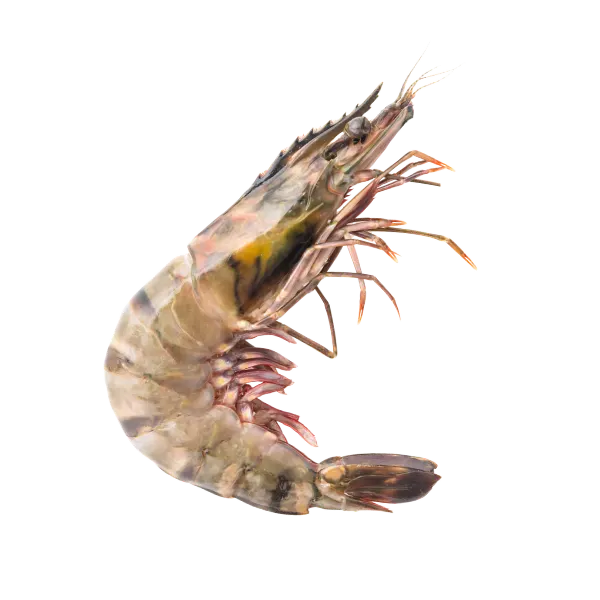
Is Prawn a trigger for histamine intolerance?
Prawn scores a 2 out of 3 on the SIGHI Food Compatibility List, placing it in the Moderate category. It is also classified on some reference lists as a potential histamine liberator. This reflects the reference list's classification rather than a confirmed mast-cell mechanism, since research specifically testing this hasn't provided strong support for it.
Prawn & Histamine, what the evidence says
Prawn is not associated with meaningful histamine content on compatibility reference lists.
It carries a food-safety consideration unrelated to histamine, tied to the use of unapproved veterinary drugs in some aquaculture operations. Farmed prawn can be treated with antibiotics such as nitrofurans or chloramphenicol during production. Neither substance is approved for use in aquacultured shrimp or prawns in the United States, and the FDA classifies their use in this context as involving unsafe new animal drugs. The FDA describes both compounds as carcinogens and notes that their use in animals can also contribute to antimicrobial resistance. Chloramphenicol specifically has been linked to a rare but serious blood disorder called aplastic anemia.
This isn't a hypothetical concern: in 2016, the FDA issued an import alert after finding that approximately one-third of tested shrimp and prawn imports from Peninsular Malaysia contained residues of nitrofurans and/or chloramphenicol. Of 138 samples tested, 45 (32%) contained residues of one or both drugs. Similar residue-related import alerts remain in place for aquacultured shrimp and other seafood from additional countries, reflecting an ongoing regulatory concern tied to certain aquaculture practices rather than an isolated incident.
This is a concern about sourcing and aquaculture practices, not something that applies to all prawn. These residues can't be identified by looking at, smelling, or tasting the product, and cooking doesn't reliably eliminate them. Choosing prawn from suppliers with reliable testing and sourcing standards is therefore a relevant precaution.
Does preparation change the risk?
Sourcing and country of origin matter more here than preparation method, since this is an antibiotic residue consideration separate from histamine.
| Form | Risk Level | Notes |
|---|---|---|
| Wild-caught, reputable source | Low | Not associated with meaningful histamine content; not subject to the aquaculture drug residue concern |
| Farmed, tested/certified source | Low | Reliable testing and sourcing standards reduce the risk of unapproved drug residues |
| Farmed, unknown or unverified source | Moderate | FDA import alerts have found antibiotic residues in prawn from several countries; origin matters |
Note: Risk levels are based on clinical observations and patient reports, not standardized histamine measurements. Individual tolerance varies.
A food score is a reference, not a verdict.
Histamine intolerance is highly individual. A food that triggers symptoms in one person may be tolerated by another, even within the same category.
Strict elimination may help reduce symptoms initially, but long-term progress often depends on gradual reintroduction and pattern recognition. The goal is not to remove more foods over time, but to understand your personal tolerance and expand your diet when possible.
Tracking symptoms, portions, and context such as stress or timing can provide insights that generalized food lists cannot. This is where informed decisions replace fear-based restriction.
How to test your tolerance
 Know where your prawn comes from.
FDA import alerts have repeatedly found antibiotic residues in farmed prawn from certain countries. Choosing suppliers with reliable testing and sourcing standards is a relevant precaution.
 This isn't detectable by looking, smelling, or tasting.
Antibiotic residues in prawn can't be identified through appearance, and cooking doesn't reliably eliminate them.
 Not all prawn is affected.
This is a concern about specific aquaculture practices and sourcing, not something that applies to all prawn everywhere.
- Ask about sourcing when unsure.
If you're concerned, asking a supplier or restaurant about the origin of their prawn is a reasonable way to make a more informed choice.
 Track your response.
Log source and any symptoms using MyHistaMap if you're testing prawn from different suppliers.
Common questions about Prawn and histamine
Is prawn high in histamine?
No, prawn is not associated with meaningful histamine content on compatibility reference lists.
What's the concern with farmed prawn?
FDA import alerts have found residues of unapproved antibiotics, including nitrofurans and chloramphenicol, in some farmed prawn imports. Both compounds are classified as carcinogens by the FDA, and chloramphenicol specifically has been linked to a rare blood disorder called aplastic anemia.
Does cooking prawn eliminate antibiotic residues?
No, cooking doesn't reliably eliminate these residues. This is a sourcing consideration, not something addressed by preparation.
Is all prawn affected by this?
No. This is specific to certain aquaculture operations and countries where FDA import alerts have found residue issues, not something that applies universally to all prawn.
Some people find these options helpful





Supplements are optional tools, not a solution. Personal tracking and identifying your individual triggers remains the priority.
Where this information comes from
At MyHistaMap we curate information from peer reviewed research and recognized medical sources. This guide is a reference tool, not a medical prescription. Always track your own reactions and consult your healthcare provider.
References
- FDA Issues Import Alert on Imported Shrimp and Prawns from Peninsular Malaysia, U.S. FDA Constituent Update, April 2016: confirms 45 of 138 tested samples (32%) from Peninsular Malaysia contained residues of nitrofurans and/or chloramphenicol, leading to an import alert allowing detention without physical examination. The primary source for this page's 2016 figures.
- Import Alert 16-136, Detention Without Physical Examination of Aquacultured Shrimp and Prawns from Peninsular Malaysia, U.S. FDA: states that nitrofurans and chloramphenicol are carcinogens, that their use in aquacultured shrimp or prawns is not FDA-approved and constitutes unsafe new animal drugs, and that their use can contribute to antimicrobial resistance. The source for this page's regulatory classification and carcinogen language.