This content is for informational purposes only and does not constitute medical advice. Always consult a qualified healthcare provider before making dietary changes. Histamine tolerance is highly individual.
This information applies to histamine intolerance, DAO deficiency, and MCAS only. If you have a confirmed food allergy, this content does not apply to you. Food allergies involve the immune system and can be life-threatening. Please consult your allergist.
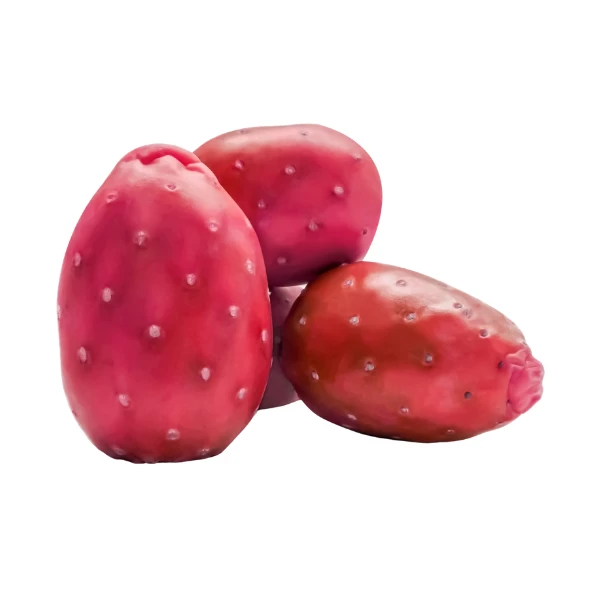
Is Prickly pear a trigger for histamine intolerance?
Prickly pear scores a 0 out of 3 on the SIGHI Food Compatibility List, placing it in the Safe category.
Prickly pear & Histamine, what the evidence says
Prickly pear, also called Opuntia, cactus pear, tuna, Barbary fig, or Indian fig, carries a practical safety consideration that has nothing to do with histamine: the fruit's skin is covered in glochids, tiny, hair-like clusters of spines that easily detach and embed in skin on contact, causing irritation, a stinging or foreign-body sensation, and small embedded spines that can be difficult to remove. This is why the fruit needs careful handling, typically using tongs, gloves, or scrubbing with a brush, before the skin is sliced off and the flesh eaten.
Prickly pear is also widely marketed for blood sugar management, but this reputation applies mainly to the plant's flat pads (called nopal or cladodes), not to the fruit itself. A systematic review of 20 human studies found that cladode preparations often produced significant reductions in blood glucose and insulin, while prickly pear fruit specifically was predominantly found to have no significant effect on either measure. This is an important distinction: eating the fruit isn't the same as using the pads, and current evidence doesn't support recommending the fruit specifically for blood sugar management.
Prickly pear extract has also been studied in a small clinical trial for alcohol hangover symptoms, with researchers proposing that its anti-inflammatory properties might reduce some hangover-related markers, though this remains based on limited research rather than broad confirmation.
None of this relates to dietary histamine. Prickly pear's histamine content itself is generally considered low.
Does preparation change the risk?
For prickly pear, handling the spiny skin safely is the main practical consideration, separate from its generally low histamine content.
| Form | Risk Level | Notes |
|---|---|---|
| Peeled prickly pear flesh | Low | Low in histamine once the skin and glochids are safely removed |
| Handling unpeeled fruit without protection | Moderate | This is a skin safety consideration, not a histamine one. Glochids can embed in skin on contact. |
| Prickly pear juice or processed products | Low | Similar histamine profile to the fresh, peeled fruit |
| Nopal/cladode (the plant's pads) | Low | A different plant part from the fruit; this is what most blood sugar research actually studied |
Note: The moderate-risk row reflects a handling/skin safety consideration, not standardized histamine measurements.
A food score is a reference, not a verdict.
Histamine intolerance is highly individual. A food that triggers symptoms in one person may be tolerated by another, even within the same category.
Strict elimination may help reduce symptoms initially, but long-term progress often depends on gradual reintroduction and pattern recognition. The goal is not to remove more foods over time, but to understand your personal tolerance and expand your diet when possible.
Tracking symptoms, portions, and context such as stress or timing can provide insights that generalized food lists cannot. This is where informed decisions replace fear-based restriction.
How to test your tolerance
 Handle the fruit carefully.
Use tongs, gloves, or a vegetable brush to remove glochids before peeling. Avoid touching the skin directly with bare hands.
 Check for embedded spines if you do get pricked.
Tweezers or tape can help remove glochids from skin. They're small but can be irritating if left in place.
- Don't confuse fruit with nopal for blood sugar management.
Research supporting blood sugar benefits mainly used the plant's pads (cladodes), not the fruit. Don't expect the same effect from eating prickly pear fruit.
- Enjoy it as a low-histamine fruit.
Once safely peeled, prickly pear fruit is a reasonable low-histamine choice, without a specific proven blood sugar benefit.
 Don't rely on it for hangover relief.
The research here is limited to a small trial. Treat it as an interesting finding, not an established remedy.
 This isn't primarily a histamine tracking issue.
For MyHistaMap purposes, prickly pear fruit is low in histamine. Its more distinctive considerations are practical (handling) and about the fruit-versus-pad distinction.
Common questions about Prickly pear and histamine
What are glochids and why do they matter?
Glochids are tiny, hair-like clusters of spines covering prickly pear's skin. They easily detach and embed in skin on contact, causing irritation. Use tongs, gloves, or a brush when handling the fruit.
Does prickly pear help control blood sugar?
The research supporting this mainly used the plant's pads (nopal/cladodes), not the fruit. A systematic review found the fruit itself predominantly showed no significant effect on blood glucose or insulin.
Is prickly pear high in histamine?
No, prickly pear fruit's histamine content is generally considered low.
Does prickly pear help with hangovers?
One small clinical trial explored this, with researchers proposing an anti-inflammatory mechanism, but the evidence is limited rather than broadly confirmed.
Some people find these options helpful





Supplements are optional tools, not a solution. Personal tracking and identifying your individual triggers remains the priority.
Where this information comes from
At MyHistaMap we curate information from peer reviewed research and recognized medical sources. This guide is a reference tool, not a medical prescription. Always track your own reactions and consult your healthcare provider.
References
- Medicinal Plant Fact Sheet: Opuntia (Prickly Pear Cactus): describes glochids as fine, easily detached spine clusters and documents traditional and modern uses of the plant, including for hyperglycemia and alcohol hangover. The source for the glochid description and background referenced on this page.
- Effects of the Consumption of Prickly Pear Cacti (Opuntia spp.) and Its Products on Blood Glucose Levels and Insulin: A Systematic Review, 2019: reviewed 20 human studies and found cladode preparations predominantly reduced blood glucose and insulin, while prickly pear fruit specifically predominantly showed no significant effect. The source for the fruit-versus-cladode distinction referenced on this page.
- Wiese et al., Effect of Opuntia ficus indica on Symptoms of the Alcohol Hangover: a small clinical trial testing prickly pear extract's effect on hangover symptoms, proposing an anti-inflammatory mechanism. The source for the hangover research referenced on this page.
- SIGHI (Swiss Interest Group Histamine Intolerance) Food Compatibility List: rates Indian fig opuntia/Barbary fig/cactus pear/spineless cactus/prickly pear/tuna as well tolerated, with a note to avoid skin contact with the spikes. The source for the histamine classification and glochid safety note referenced on this page.