This content is for informational purposes only and does not constitute medical advice. Always consult a qualified healthcare provider before making dietary changes. Histamine tolerance is highly individual.
This information applies to histamine intolerance, DAO deficiency, and MCAS only. If you have a confirmed food allergy, this content does not apply to you. Food allergies involve the immune system and can be life-threatening. Please consult your allergist.
Is Pumpkins / Squashes a trigger for histamine intolerance?
Pumpkins / Squashes scores a 0 out of 3 on the SIGHI Food Compatibility List, placing it in the Safe category.
Pumpkins / Squashes & Histamine, what the evidence says
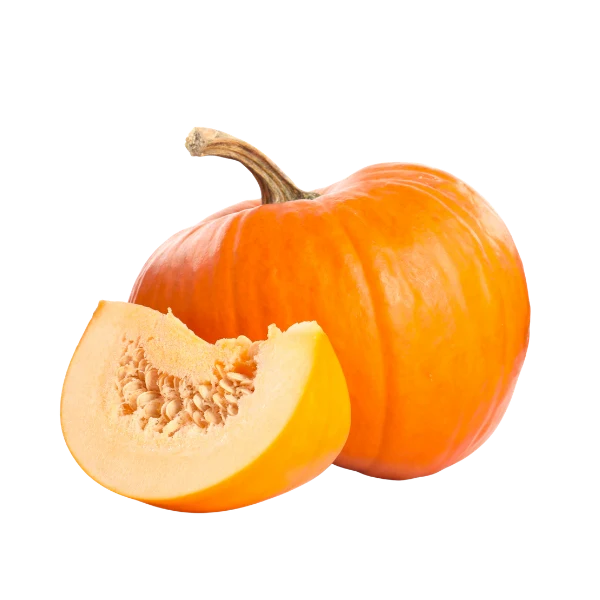
Pumpkin is generally considered low in histamine and isn't commonly listed as a histamine liberator, making it a straightforward choice when you're following a low-histamine approach.
Pumpkin flesh can be a particularly rich dietary source of beta-carotene, the pigment responsible for the orange color of many varieties and a precursor the body can convert to vitamin A. The amount varies considerably by species and variety, though: some varieties, particularly certain Cucurbita moschata types, are especially rich in beta-carotene, while some pale or white-fleshed varieties contain very little. It's also worth distinguishing pumpkin flesh from pumpkin seeds, which are nutritionally quite different: the flesh is carbohydrate- and carotenoid-rich, while the seeds are protein- and mineral-dense, particularly in zinc, and contain their own distinct compound, cucurbitin, which has been studied for potential antiparasitic activity rather than anything directly relevant to beta-carotene or histamine.
Does preparation change the risk?
Pumpkin's favorable histamine profile applies consistently across preparations of the flesh; variety mainly affects nutrient content, not histamine risk.
| Form | Risk Level | Notes |
|---|---|---|
| Cooked flesh, any amount | Low | Generally well tolerated; not associated with meaningful histamine content |
| Pumpkin puree | Low | Same favorable profile; beta-carotene content varies by variety |
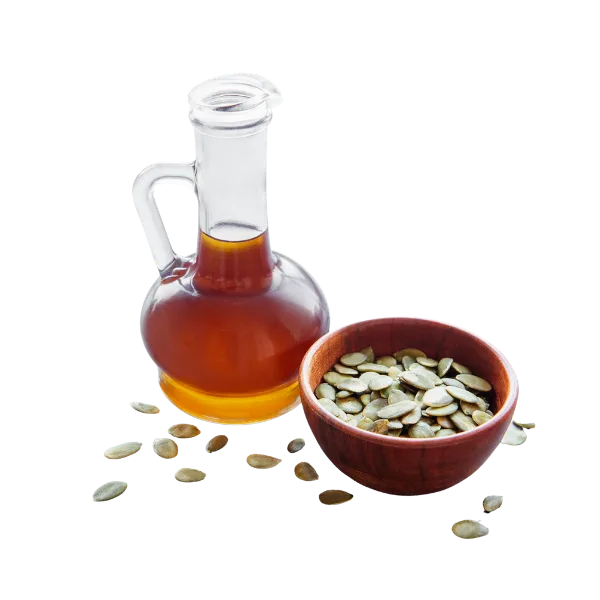
| Pumpkin seeds | Low | Nutritionally distinct from the flesh; treat as a separate food when tracking |
Note: Risk levels are based on clinical observations and patient reports, not standardized histamine measurements. Individual tolerance varies.
A food score is a reference, not a verdict.
Histamine intolerance is highly individual. A food that triggers symptoms in one person may be tolerated by another, even within the same category.
Strict elimination may help reduce symptoms initially, but long-term progress often depends on gradual reintroduction and pattern recognition. The goal is not to remove more foods over time, but to understand your personal tolerance and expand your diet when possible.
Tracking symptoms, portions, and context such as stress or timing can provide insights that generalized food lists cannot. This is where informed decisions replace fear-based restriction.
How to test your tolerance
 Separate the flesh from the seeds when tracking.
Pumpkin flesh and pumpkin seeds have quite different nutritional profiles and should be logged as distinct foods, not one entry.
- The orange color usually reflects real beta-carotene content.
Pumpkin is one of the richer dietary sources of this vitamin A precursor, though the amount varies by variety, pale or white-fleshed types carry much less.
 Track your response if trying it new.
Even well-tolerated vegetables are worth a brief note in the MyHistaMap app when first introduced.
Common questions about Pumpkins / Squashes and histamine
Is pumpkin high in histamine?
No. Pumpkin is not associated with meaningful histamine content and isn't commonly listed as a histamine liberator.
Are pumpkin seeds the same as pumpkin flesh for tracking purposes?
No, they're nutritionally quite different - the flesh is rich in beta-carotene, while the seeds are protein- and zinc-dense with their own distinct compounds. Track them separately.
Why is pumpkin orange?
The color usually comes from beta-carotene, a pigment the body converts to vitamin A. Pumpkin can be one of the more concentrated dietary sources of this compound, though the amount varies by species and variety.
Does canned pumpkin puree carry the same considerations as fresh?
Generally yes, as long as it's plain pumpkin without added spices or sugar, which would introduce independent variables.
Some people find these options helpful

Supplements are optional tools, not a solution. Personal tracking and identifying your individual triggers remains the priority.
Where this information comes from
At MyHistaMap we curate information from peer reviewed research and recognized medical sources. This guide is a reference tool, not a medical prescription. Always track your own reactions and consult your healthcare provider.
References
- SIGHI (Swiss Interest Group Histamine Intolerance) Food Compatibility List, version 2024-08-29: lists pumpkins (various varieties) as compatible with no histamine-related letter designation, meaning it is not classified as a histamine liberator, rich in other amines, or a DAO blocker on this list.
- Azevedo-Meleiro & Rodriguez-Amaya, Qualitative and Quantitative Differences in Carotenoid Composition among Cucurbita moschata, Cucurbita maxima, and Cucurbita pepo, Journal of Agricultural and Food Chemistry, 2007: found substantial differences in beta-carotene and total carotenoid content and composition between pumpkin and squash species and cultivars, supporting the variety-based distinction described on this page.
- Evaluation of Anthelmintic Activity and Composition of Pumpkin (Cucurbita pepo L.) Seed Extracts—In Vitro and in Vivo Studies, PMC: confirmed the presence of cucurbitine in pumpkin seed extracts and found nematocidal activity against larvae in vitro, along with inhibitory effects on worm motility, supporting this page's description of cucurbitin as studied for potential antiparasitic activity.