This content is for informational purposes only and does not constitute medical advice. Always consult a qualified healthcare provider before making dietary changes. Histamine tolerance is highly individual.
This information applies to histamine intolerance, DAO deficiency, and MCAS only. If you have a confirmed food allergy, this content does not apply to you. Food allergies involve the immune system and can be life-threatening. Please consult your allergist.
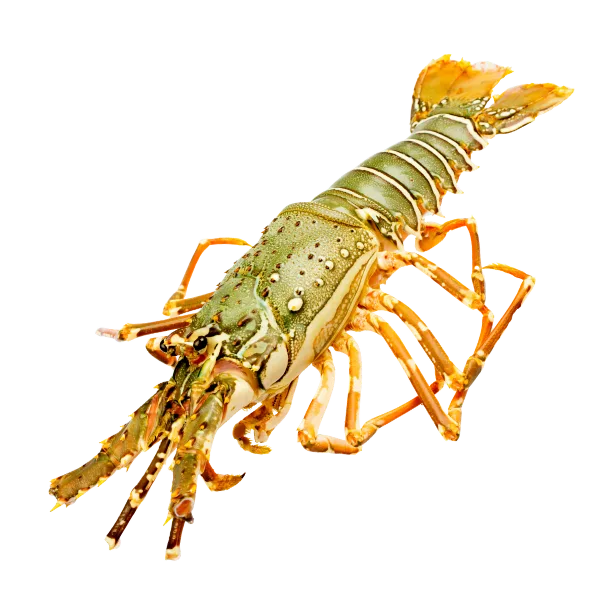
Is Spiny lobsters / Rock Lobster a trigger for histamine intolerance?
Spiny lobsters / Rock Lobster scores a 2 out of 3 on the SIGHI Food Compatibility List, placing it in the Moderate category. It is also classified on some reference lists as a potential histamine liberator. This reflects the reference list's classification rather than a confirmed mast-cell mechanism, since research specifically testing this hasn't provided strong support for it.
Spiny lobsters / Rock Lobster & Histamine, what the evidence says
Spiny lobster, also known as rock lobster or langouste depending on the region, is classified as highly perishable with histamine formation potential on compatibility reference lists and is also traditionally classified as a histamine liberator.
Like shrimp and crab, fresh spiny lobster generally contains little histamine, but histamine can accumulate during storage as bacteria multiply and produce histamine-forming enzymes. A study of mud spiny lobster (Panulirus polyphagus) found histamine-forming bacteria in the muscle and detected histamine from the fifth day of ice storage onward. The researchers also identified several bacterial species capable of producing histamine and other biogenic amines. This makes freshness, rapid chilling, and good temperature control important after harvest.
Once histamine has formed, it is not reliably removed by cooking or freezing.
As with other crustaceans, spiny lobster contains tropomyosin, a major shellfish allergen. Specific tropomyosin allergens have been identified in spiny lobster and shown to react with IgE from people with crustacean allergy. This is a true IgE-mediated food allergy and is separate from histamine intolerance.
Does preparation change the risk?
Freshness and time in storage are the main variables for spiny lobster's histamine risk.
| Form | Risk Level | Notes |
|---|---|---|
| Fresh, recently caught (under 5 days ice storage) | Low | Histamine-forming bacteria typically haven't produced detectable histamine yet at this stage |
| Ice-stored 5+ days | Moderate | Histamine has been detected from around the fifth day of ice storage in research on this species |
| Improperly stored or aged | High | Longer storage and inadequate temperature control allow more histamine-forming bacteria to grow |
Note: Risk levels are based on clinical observations and patient reports, not standardized histamine measurements. Individual tolerance varies.
A food score is a reference, not a verdict.
Histamine intolerance is highly individual. A food that triggers symptoms in one person may be tolerated by another, even within the same category.
Strict elimination may help reduce symptoms initially, but long-term progress often depends on gradual reintroduction and pattern recognition. The goal is not to remove more foods over time, but to understand your personal tolerance and expand your diet when possible.
Tracking symptoms, portions, and context such as stress or timing can provide insights that generalized food lists cannot. This is where informed decisions replace fear-based restriction.
How to test your tolerance
 Prioritize freshness and rapid chilling.
Research found histamine-forming bacteria became detectable from around the fifth day of ice storage in spiny lobster, so freshness and good temperature control matter.
 Cooking doesn't remove histamine once formed.
If histamine has already developed due to storage time, cooking or freezing won't reliably eliminate it.
 Know about the tropomyosin allergy risk.
Spiny lobster contains tropomyosin, a major shellfish allergen. This is a true IgE-mediated allergy, separate from histamine intolerance.
 Regional names, same animal.
Spiny lobster, rock lobster, and langouste all refer to the same family of crustacean, just with different regional names.
 Track your response.
Log freshness, sourcing, and any symptoms using MyHistaMap, especially given how much storage time can affect histamine risk.
Common questions about Spiny lobsters / Rock Lobster and histamine
Is spiny lobster high in histamine?
Fresh spiny lobster generally contains little histamine, but it's classified as highly perishable with histamine formation potential, meaning this can change with storage time and temperature control.
How quickly does spiny lobster develop histamine?
Research on mud spiny lobster found histamine became detectable from around the fifth day of ice storage, produced by histamine-forming bacteria in the muscle.
Are spiny lobster, rock lobster, and langouste the same thing?
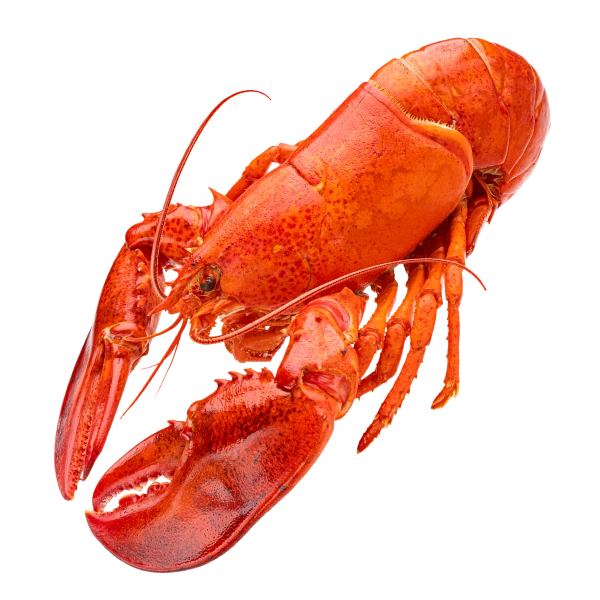
Yes. These are different regional names for the same family of crustacean (Palinuridae), which lacks the large claws of true lobster.
Is spiny lobster allergy the same as histamine intolerance?
No. Spiny lobster contains tropomyosin, a protein that can trigger a true IgE-mediated shellfish allergy. This is a separate immune mechanism from histamine intolerance.
Some people find these options helpful





Supplements are optional tools, not a solution. Personal tracking and identifying your individual triggers remains the priority.
Where this information comes from
At MyHistaMap we curate information from peer reviewed research and recognized medical sources. This guide is a reference tool, not a medical prescription. Always track your own reactions and consult your healthcare provider.
References
- Study of histamine-forming bacteria and biogenic amine formation during ice storage of mud spiny lobster (Panulirus polyphagus): detected histamine from the fifth day of ice storage onward, and identified histamine-forming bacteria including Morganella morganii, Enterobacter, Klebsiella, Citrobacter, Photobacterium, and Serratia in the muscle tissue. The primary source for this page's histamine formation timeline.
- Identification of tropomyosin as an allergen in Panulirus stimpsoni (spiny lobster) with demonstrated IgE reactivity in individuals with crustacean allergy: confirms tropomyosin as a major spiny lobster allergen recognized by IgE from crustacean-allergic patients. The source for this page's tropomyosin allergy section.