This content is for informational purposes only and does not constitute medical advice. Always consult a qualified healthcare provider before making dietary changes. Histamine tolerance is highly individual.
This information applies to histamine intolerance, DAO deficiency, and MCAS only. If you have a confirmed food allergy, this content does not apply to you. Food allergies involve the immune system and can be life-threatening. Please consult your allergist.
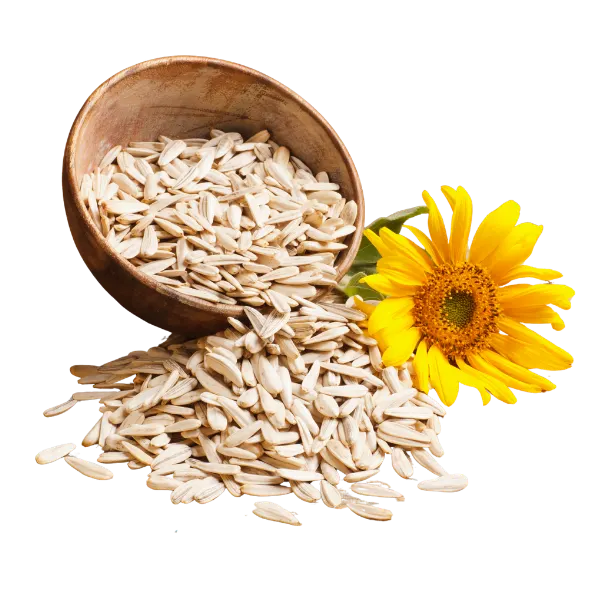
Is Sunflower seeds a trigger for histamine intolerance?
Sunflower seeds scores a 2 out of 3 on the SIGHI Food Compatibility List, placing it in the Moderate category. It is also classified on some reference lists as a potential histamine liberator. This reflects the reference list's classification rather than a confirmed mast-cell mechanism, since research specifically testing this hasn't provided strong support for it.
Sunflower seeds & Histamine, what the evidence says
Sunflower seeds are not associated with meaningful histamine content on compatibility reference lists.
They carry a nutritional consideration unrelated to histamine: sunflower plants are known to strongly accumulate cadmium, a toxic heavy metal, from soil. A 2024 study of three sunflower varieties grown in agricultural soil found seed cadmium levels of 0.76 to 0.88 mg per kg, exceeding the European Union's regulatory limit of 0.5 mg per kg for sunflower seeds intended for human consumption. Cadmium concentration in sunflower seeds varies with the variety and growing conditions, particularly the level and characteristics of cadmium in the soil. The study also found that washing the seeds did not reduce their total cadmium content, although it slightly changed how the cadmium was distributed between the hulls and kernels. This is because cadmium is taken up by the plant and incorporated into its tissues rather than remaining only on the surface.
Cadmium exposure is a food-safety consideration distinct from histamine. Because the potential health impact depends on cumulative exposure, the concentration of cadmium in the food and the amount consumed are both relevant, particularly for people who regularly consume foods that can contribute to dietary cadmium exposure.
Does preparation change the risk?
From a histamine standpoint, sunflower seeds are consistently low-risk across common forms. Cadmium content is a separate consideration tied to how the crop was grown, not to preparation.
| Form | Risk Level | Notes |
|---|---|---|
| Raw or roasted, unsalted | Low | Not associated with meaningful histamine content |
| Salted or flavored | Low | Same histamine profile; check labels for added ingredients unrelated to the seed itself |
| Sunflower seed butter | Low | Same histamine profile as whole seeds |
| Regular, high daily consumption | Moderate | Not a histamine concern, but relevant to cumulative cadmium exposure over time |
Note: Risk levels are based on clinical observations and patient reports, not standardized histamine measurements. Individual tolerance varies.
A food score is a reference, not a verdict.
Histamine intolerance is highly individual. A food that triggers symptoms in one person may be tolerated by another, even within the same category.
Strict elimination may help reduce symptoms initially, but long-term progress often depends on gradual reintroduction and pattern recognition. The goal is not to remove more foods over time, but to understand your personal tolerance and expand your diet when possible.
Tracking symptoms, portions, and context such as stress or timing can provide insights that generalized food lists cannot. This is where informed decisions replace fear-based restriction.
How to test your tolerance
 Cadmium is a soil-related consideration, not a histamine one.
Sunflower plants strongly accumulate cadmium from soil. This is unrelated to how the seeds are prepared or how well you tolerate histamine.
 Washing doesn't reduce cadmium content.
Since cadmium is absorbed into the plant's tissue rather than sitting on the surface, rinsing sunflower seeds doesn't meaningfully lower their cadmium level.
 Consider frequency, not just quantity.
Cumulative exposure over time is what matters most for cadmium. Regular daily consumption is a more relevant consideration than an occasional handful.
- Choose plain over flavored.
Skip heavily seasoned or flavored varieties, which introduce ingredients unrelated to the seed itself.
 Track your response.
Log the quantity and frequency you eat using MyHistaMap to build a clearer picture over time.
Common questions about Sunflower seeds and histamine
Are sunflower seeds high in histamine?
No. Sunflower seeds are not associated with meaningful histamine content on compatibility reference lists.
Why are sunflower seeds linked to cadmium?
Sunflower plants strongly accumulate cadmium, a toxic heavy metal, from soil. Research on several sunflower varieties found seed cadmium levels exceeding the EU's regulatory limit for human consumption, depending on variety and soil conditions.
Does washing sunflower seeds remove cadmium?
No. Cadmium is absorbed into the plant's tissue during growth, not just present on the surface, so washing doesn't meaningfully reduce it.
Should I avoid sunflower seeds entirely because of cadmium?
Not necessarily. Cadmium exposure depends on cumulative intake over time, so frequency and quantity both matter more than any single serving.
Some people find these options helpful





Supplements are optional tools, not a solution. Personal tracking and identifying your individual triggers remains the priority.
Where this information comes from
At MyHistaMap we curate information from peer reviewed research and recognized medical sources. This guide is a reference tool, not a medical prescription. Always track your own reactions and consult your healthcare provider.
References
- Jauvion V, Motard C, Dauguet S, et al., Cadmium partitioning between hulls and kernels in three sunflower varieties: consequences for food/feed chain safety, 2024: measured cadmium levels of 0.76 to 0.88 mg/kg across three sunflower varieties grown in agricultural soil, all exceeding the EU's 0.5 mg/kg limit for seeds intended for human food, and found that washing did not reduce total cadmium content. The primary source for this page's cadmium section.
- European Commission Regulation (EU) 2021/1323, maximum levels for cadmium in linseeds and sunflower seeds: sets the regulatory limit of 0.5 mg/kg for sunflower seeds intended for human consumption. The source for this page's regulatory limit.
- Monash University FODMAP correspondence on sunflower seed serving sizes: reports sunflower seeds as low FODMAP up to 50 g, moderate at 60 g, and high at 70 g. The source for this page's FODMAP classification.