This content is for informational purposes only and does not constitute medical advice. Always consult a qualified healthcare provider before making dietary changes. Histamine tolerance is highly individual.
This information applies to histamine intolerance, DAO deficiency, and MCAS only. If you have a confirmed food allergy, this content does not apply to you. Food allergies involve the immune system and can be life-threatening. Please consult your allergist.
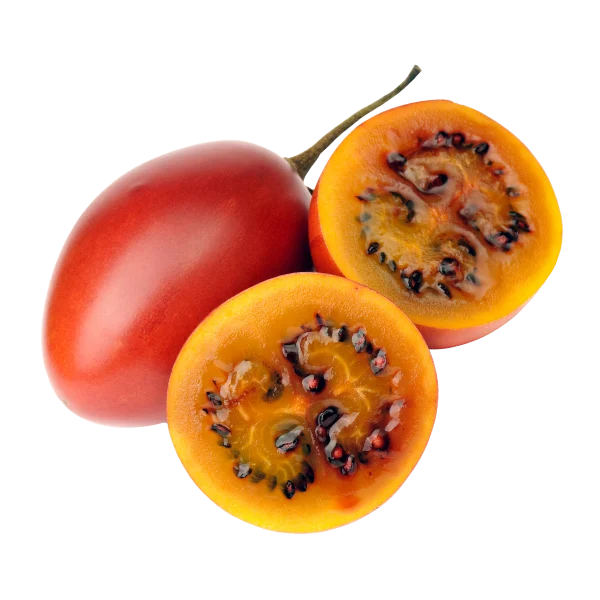
Is Tamarillo a trigger for histamine intolerance?
Tamarillo's histamine classification isn't conclusive; available reference sources don't agree or don't have enough data to assign a confident score.
Tamarillo & Histamine, what the evidence says
Tamarillo, also called tree tomato, doesn't have a well-established histamine classification in the reference lists commonly used for this type of information, similar to some other less common fruits discussed on this site.
Tamarillo belongs to the Solanaceae family, the same botanical family as tomato, potato, and eggplant, and there is a documented case of a genuine, confirmed allergic reaction specifically to tamarillo. The case, published in 2025, was described by the authors as the first reported case of primary sensitivity to Solanum betaceum. The patient was able to tolerate other varieties of tomato, even after experiencing anaphylaxis from tamarillo, suggesting that the protein responsible for the reaction may be relatively selective to tamarillo. The allergy was supported by positive skin testing to both tamarillo peel and pulp, along with laboratory testing showing a specific reaction to tamarillo. This was a true IgE-mediated food allergy, completely separate from histamine intolerance.
More broadly, cross-reactivity between tomato, potato, and natural rubber latex has been documented, with related proteins such as patatin and the latex protein Hev b 7 implicated in some of these reactions. However, this should not be interpreted as a general allergy mechanism shared by all Solanaceae foods, and the findings from the tamarillo case suggest that its specific allergy may involve a different or more selective allergenic protein.
Given the lack of a clear histamine classification and the existence of documented, although apparently rare, allergic sensitivity specific to tamarillo, it is reasonable to introduce this fruit cautiously, especially if you have known allergies to tomato, potato, or latex.
Does preparation change the risk?
Because tamarillo lacks a clear histamine classification, allergy history is the more pressing consideration to keep in mind.
| Form | Risk Level | Notes |
|---|---|---|
| Fresh tamarillo, no known Solanaceae allergy | Low | No established histamine concern, though overall data is limited |
| Tamarillo juice or pulp | Moderate | The documented anaphylaxis case involved tamarillo juice specifically |
| Any amount, known tomato, potato, or latex allergy | Moderate | A documented case of specific tamarillo allergy exists; caution on first exposure is reasonable |
Note: The moderate-risk rows reflect a documented allergy case, not standardized histamine measurements. This is separate from histamine intolerance.
A food score is a reference, not a verdict.
Histamine intolerance is highly individual. A food that triggers symptoms in one person may be tolerated by another, even within the same category.
Strict elimination may help reduce symptoms initially, but long-term progress often depends on gradual reintroduction and pattern recognition. The goal is not to remove more foods over time, but to understand your personal tolerance and expand your diet when possible.
Tracking symptoms, portions, and context such as stress or timing can provide insights that generalized food lists cannot. This is where informed decisions replace fear-based restriction.
How to test your tolerance
 Treat it as a new food to test.
Since tamarillo doesn't have an established histamine profile, introduce it in a small amount first, the way you would with any unfamiliar food.
 Be cautious if you have Solanaceae-related allergies.
If you have known allergies to tomato, potato, or latex, a documented case of specific tamarillo allergy exists, so caution on first exposure is reasonable.
 Know the warning signs.
Hives, throat swelling, or difficulty breathing after tamarillo call for allergy evaluation, not histamine-focused troubleshooting.
- Tolerating tomato doesn't guarantee tolerating tamarillo.
The documented case involved a patient who tolerated other tomato varieties but reacted specifically to tamarillo, suggesting the allergy can be selective.
- Be aware juice may concentrate exposure.
The documented anaphylaxis case occurred after drinking tamarillo juice specifically.
 Track it carefully.
Since there's no reliable histamine classification to fall back on, logging your own response to tamarillo in MyHistaMap is especially useful here.
Common questions about Tamarillo and histamine
Is tamarillo high in histamine?
It isn't classified either way with much confidence. Tamarillo hasn't been studied enough to say clearly whether it's high, low, or a liberator.
Can tamarillo cause a serious allergic reaction?
A documented 2025 case report describes anaphylaxis after drinking tamarillo juice in a patient who otherwise tolerated tomato, described by the authors as the first reported case of primary sensitivity to tamarillo specifically.
If I tolerate tomatoes, will I tolerate tamarillo?
Not necessarily. The documented case involved a patient who tolerated other tomato varieties but had a specific, confirmed allergic reaction to tamarillo, suggesting the allergy can be selective to this particular fruit.
Should I try tamarillo if I have histamine intolerance?
It's reasonable to try in a small amount, the same way you'd introduce any new food, though extra caution is worth considering if you have known tomato, potato, or latex allergies.
Some people find these options helpful





Supplements are optional tools, not a solution. Personal tracking and identifying your individual triggers remains the priority.
Where this information comes from
At MyHistaMap we curate information from peer reviewed research and recognized medical sources. This guide is a reference tool, not a medical prescription. Always track your own reactions and consult your healthcare provider.
References
- Valor-Llácer et al., Anafilaxia por Solanum betaceum, Revista Alergia México, 2025: describes a 43-year-old man from Ecuador with two systemic anaphylaxis episodes after drinking tamarillo juice, positive skin testing to tamarillo peel and pulp, negative testing to other tomato types, and ELISA inhibition specific to tamarillo, concluding this is the first reported case of primary sensitivity to Solanum betaceum. The source for the case report referenced on this page.
- Reche et al. and related studies on Solanaceae cross-reactivity: describe cross-reactivity between tomato, potato, and natural rubber latex allergy involving proteins including patatin and Hev b 7. The source for the broader cross-reactivity information referenced on this page.
- SIGHI (Swiss Interest Group Histamine Intolerance) Food Compatibility List: lists tamarillo with insufficient or contradictory information rather than a specific rating. The source for this page's note that tamarillo lacks a clear histamine classification.