This content is for informational purposes only and does not constitute medical advice. Always consult a qualified healthcare provider before making dietary changes. Histamine tolerance is highly individual.
This information applies to histamine intolerance, DAO deficiency, and MCAS only. If you have a confirmed food allergy, this content does not apply to you. Food allergies involve the immune system and can be life-threatening. Please consult your allergist.
Is Tongue (veal, beef) a trigger for histamine intolerance?
Tongue (veal, beef) scores a 0 out of 3 on the SIGHI Food Compatibility List, placing it in the Safe category.
Tongue (veal, beef) & Histamine, what the evidence says
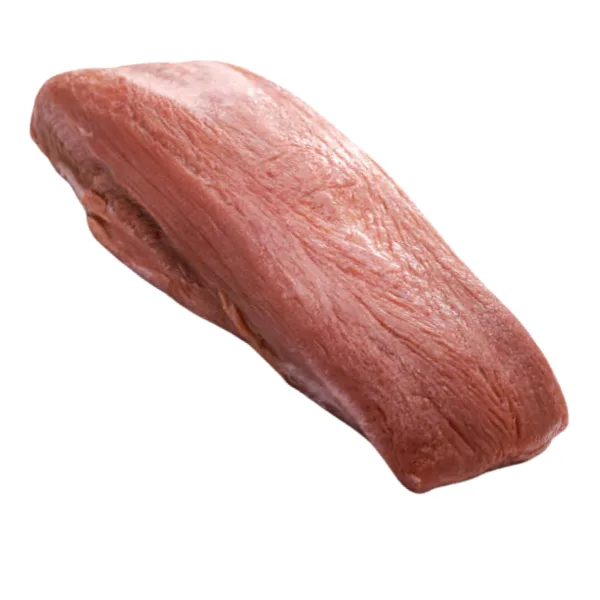
Tongue is often grouped with organ meats like liver or kidney under the broader "offal" or "variety meat" category, but anatomically it's a muscle, not a glandular organ. This distinction matters for histamine: research on offal has found some organs, including liver, carrying meaningfully higher biogenic amine levels than muscle tissue from the same animal. Tongue, being muscle tissue, does not necessarily follow the same pattern as those organs.
Like other fresh meat, tongue's actual histamine risk still depends mainly on freshness and handling rather than on any special property of the tissue itself. Fresh tongue that's kept cold and cooked or frozen promptly follows the same general pattern as a fresh cut of beef.
Does preparation change the risk?
Freshness and handling, not tongue's classification as offal, are what mainly determine its histamine risk.
| Form | Risk Level | Notes |
|---|---|---|
| Fresh / Flash-frozen tongue | Low | Follows the same general pattern as a fresh cut of beef, since tongue is muscle tissue |
| Tongue refrigerated for an extended period | High | More time for bacteria to convert histidine into histamine, as with any fresh meat |
| Smoked or cured tongue | High | Curing and smoking are aging processes that allow histamine to build up; see those entries for detail |
Note: Risk levels are based on clinical observations and patient reports, not standardized histamine measurements. Individual tolerance varies.
A food score is a reference, not a verdict.
Histamine intolerance is highly individual. A food that triggers symptoms in one person may be tolerated by another, even within the same category.
Strict elimination may help reduce symptoms initially, but long-term progress often depends on gradual reintroduction and pattern recognition. The goal is not to remove more foods over time, but to understand your personal tolerance and expand your diet when possible.
Tracking symptoms, portions, and context such as stress or timing can provide insights that generalized food lists cannot. This is where informed decisions replace fear-based restriction.
How to test your tolerance
 Buy flash-frozen when possible.
Suppliers that freeze tongue shortly after processing limit the time available for amine buildup.
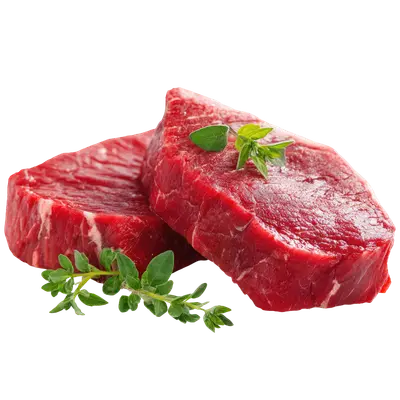
 Treat it like a fresh cut of beef for handling purposes.
Since tongue is muscle tissue, the same freshness principles that apply to other fresh meat apply here.
 Check for smoking or curing if buying prepared tongue.
These processes change tongue's histamine profile considerably compared to fresh tongue.
- Freeze leftovers promptly.
This limits further bacterial activity once tongue has been cooked.
 Cook tongue thoroughly and promptly after purchase.
Cooking doesn't remove histamine that has already formed, but prompt handling limits how much forms in the first place.
 Track freshness and preparation method in MyHistaMap.
Log whether the tongue was fresh, smoked, or cured to identify your personal pattern.
Common questions about Tongue (veal, beef) and histamine
Is tongue as high in histamine as liver?
Not necessarily. Tongue is anatomically a muscle, not a glandular organ like liver. Research on offal has found some organs carrying meaningfully higher biogenic amine levels than muscle tissue, and tongue doesn't necessarily follow that same pattern.
Why is tongue classified as offal if it's a muscle?
"Offal" and "variety meat" are commercial and culinary categories based on which part of the animal is used, not a scientific classification of tissue type. Tongue is grouped there alongside true glandular organs like liver and kidney, even though it's muscle tissue.
Does fresh tongue need special handling compared to other meat?
No more than any other fresh cut. Since tongue is muscle tissue, the same freshness and cold-storage principles that apply to a fresh cut of beef apply here.
Is smoked or cured tongue different from fresh tongue?
Yes. Smoking and curing are aging processes that allow histamine to build up over time, so prepared tongue products carry a different, generally higher histamine risk than fresh tongue.
Some people find these options helpful





Supplements are optional tools, not a solution. Personal tracking and identifying your individual triggers remains the priority.
Where this information comes from
At MyHistaMap we curate information from peer reviewed research and recognized medical sources. This guide is a reference tool, not a medical prescription. Always track your own reactions and consult your healthcare provider.
References
- Shalaby et al., Biogenic Amines in Chicken Edible Parts and Their Affection by Cooking, Journal of Agricultural Science, Mansoura University, 2005: found relatively high levels of all tested biogenic amines, including histamine, in liver samples compared to meat samples from the same bird. The source for this page's note distinguishing glandular organs from muscle tissue.
- SIGHI (Swiss Interest Group Histamine Intolerance) Food Compatibility List: rates tongue (veal, beef) as compatible, in contrast to entrails and innards, which are rated as highly perishable with rapid histamine formation. The source for this page's contrast between tongue and other offal.