This content is for informational purposes only and does not constitute medical advice. Always consult a qualified healthcare provider before making dietary changes. Histamine tolerance is highly individual.
This information applies to histamine intolerance, DAO deficiency, and MCAS only. If you have a confirmed food allergy, this content does not apply to you. Food allergies involve the immune system and can be life-threatening. Please consult your allergist.
Is Vanilla a trigger for histamine intolerance?
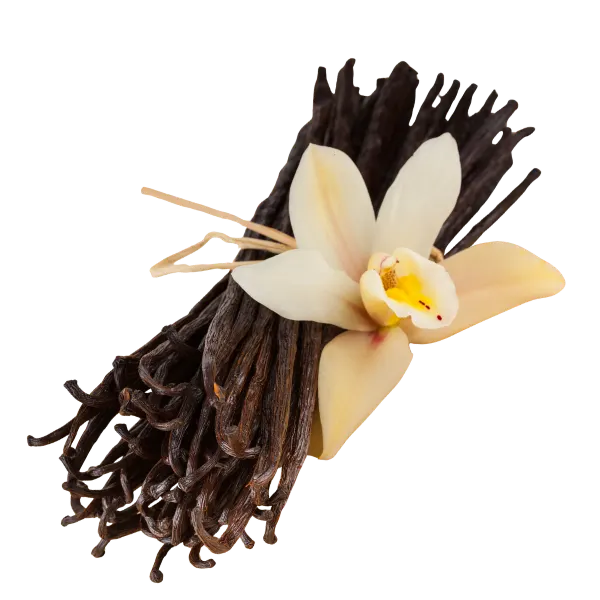
Vanilla scores a 1 out of 3 on the SIGHI Food Compatibility List, placing it in the Low category. Some reference sources also suggest it may be a histamine liberator, though even the source itself describes this as unconfirmed or suspected.
Vanilla & Histamine, what the evidence says
Vanilla is moderately compatible with histamine intolerance, tolerated in small quantities, with reference sources noting its fermented origin as a relevant factor.
Pure vanilla extract sold in the United States must contain at least 35% alcohol by volume under FDA standards. Much of this alcohol evaporates during baking or cooking, but consuming vanilla extract undiluted or in large quantities, such as by children, is a genuine consideration given how concentrated it is.
Separately, some vanilla products, particularly certain imitation extracts and products sold as "Mexican vanilla" outside regulated channels, have been found adulterated with tonka bean extract. Tonka beans contain coumarin, a compound whose addition to food is prohibited in the United States because of toxicity concerns, particularly involving the liver. The FDA has issued import alerts after finding coumarin in some vanilla products. Buying vanilla extract from a reputable, regulated source reduces this risk.
Vanilla is also high in salicylates.
Does preparation change the risk?
Form, source, and quantity all matter for vanilla, more than for most flavorings in this category.
| Form | Risk Level | Notes |
|---|---|---|
| Small amount in baking or cooking, regulated source | Low | Moderately compatible with histamine intolerance; alcohol largely evaporates during cooking |
| Undiluted or large amounts, any source | Moderate | Alcohol content (minimum 35% ABV for pure extract) is more relevant when not cooked off, particularly for children |
| ⚠️ Unregulated "Mexican vanilla" or imitation extract from an untested source | High | Has been found adulterated with tonka bean extract, which contains coumarin, prohibited as a food additive in the US due to toxicity concerns |
Note: Risk levels are based on clinical observations and patient reports, not standardized histamine measurements. Individual tolerance varies.
A food score is a reference, not a verdict.
Histamine intolerance is highly individual. A food that triggers symptoms in one person may be tolerated by another, even within the same category.
Strict elimination may help reduce symptoms initially, but long-term progress often depends on gradual reintroduction and pattern recognition. The goal is not to remove more foods over time, but to understand your personal tolerance and expand your diet when possible.
Tracking symptoms, portions, and context such as stress or timing can provide insights that generalized food lists cannot. This is where informed decisions replace fear-based restriction.
How to test your tolerance
 Buy vanilla extract from a reputable, regulated source.
Some unregulated products, including certain imitation extracts and vanilla sold outside regulated channels, have been found adulterated with tonka bean extract containing coumarin.
 Know the alcohol content.
Pure vanilla extract must contain at least 35% alcohol by volume. Much evaporates during baking, but undiluted or large amounts are a different consideration, especially for children.
 Small amounts are the traditional culinary use.
Vanilla is moderately compatible with histamine intolerance specifically in small quantities.
 Factor in salicylates.
Vanilla is high in salicylates. If you're managing salicylate sensitivity alongside histamine, this is worth tracking.
 Check labels on imported or unusually cheap vanilla.
Products significantly cheaper than standard pure vanilla extract may be more likely to involve adulteration; buying from established, regulated brands reduces this risk.
 Track your response in MyHistaMap.
Log the amount and source of vanilla used and any symptoms.
Common questions about Vanilla and histamine
Is vanilla high in histamine?
It's moderately compatible with histamine intolerance, tolerated in small quantities. Its fermented origin is noted as a relevant factor in reference classifications.
Does vanilla extract contain alcohol?
Yes, pure vanilla extract must contain at least 35% alcohol by volume under FDA standards. Much of this evaporates during baking or cooking, but undiluted or large amounts are worth considering, particularly for children.
Is all vanilla extract safe?
Vanilla extract from reputable, regulated sources generally is. Some unregulated products, including certain imitation extracts and vanilla sold outside regulated channels, have been found adulterated with tonka bean extract, which contains coumarin, a compound prohibited as a food additive in the US due to toxicity concerns.
Is vanilla high in salicylates?
Yes, vanilla is considered high in salicylates.
Some people find these options helpful





Supplements are optional tools, not a solution. Personal tracking and identifying your individual triggers remains the priority.
Where this information comes from
At MyHistaMap we curate information from peer reviewed research and recognized medical sources. This guide is a reference tool, not a medical prescription. Always track your own reactions and consult your healthcare provider.
References
- SIGHI (Swiss Interest Group Histamine Intolerance) Food Compatibility List: classifies vanilla and vanilla extract with a histamine score of 1, noting they are tolerated in small quantities due to fermentation.
- 21 CFR 169.175, Vanilla extract, U.S. Food and Drug Administration Code of Federal Regulations: establishes the standard of identity for vanilla extract, requiring a minimum of 35% ethyl alcohol by volume. The source for this page's alcohol content figure.
- Some 'Vanilla Extract' Produced in Mexico is No Bargain, U.S. Food and Drug Administration: describes FDA import alerts after finding coumarin-containing tonka bean extract in some vanilla products marketed in the US, and confirms coumarin is prohibited as a food additive under 21 CFR 189.130. The source for this page's adulteration section.
- RPAH Elimination Diet Handbook, Swain, Soutter & Loblay, Royal Prince Alfred Hospital Allergy Unit: classifies vanilla among flavorings high in salicylates. The source for this page's salicylate section.